Buying a house involves several expenses, and understanding which costs belong to each party can make the process easier. One common question buyers and sellers ask is who pays for home inspection when a property is under contract. In most traditional real estate transactions, the buyer pays for the inspection because they want an independent assessment of the property’s condition before completing the purchase. However, sellers may also arrange an inspection before listing their homes. Understanding Home Inspection Costs When Buying a House helps both parties prepare financially, avoid confusion, and make informed decisions throughout the transaction.
Who Usually Pays for a Home Inspection?
In most real estate transactions, the buyer is responsible for paying the professional home inspector. This is because the inspection is generally arranged to help the buyer understand the property’s current condition before finalizing the purchase.
When people ask who pays for home inspection services, the answer usually depends on the purchase agreement and the arrangements between both parties. Buyers typically choose their preferred inspector, schedule the appointment, and pay the inspection fee directly.
Why Buyers Usually Cover the Inspection Fee
A buyer wants to know what they are purchasing before making one of the largest financial commitments of their life. A professional inspection provides information about visible property conditions, including the roof, foundation, plumbing, electrical components, and heating and cooling systems.
For example, imagine purchasing a house that looks beautiful during a showing. However, the inspection identifies moisture concerns in the attic or unusual conditions around the foundation. This information allows the buyer to understand potential expenses before proceeding.
Does the Seller Ever Pay?
Yes. A seller may pay for an inspection when arranging a pre listing assessment. This can help identify visible concerns before advertising the property and give the seller a clearer understanding of its condition.
When Should Buyers Schedule and Pay for a Home Inspection?
Timing matters when arranging a property inspection. Most buyers schedule the appointment after the seller accepts their offer and both parties sign the purchase agreement. The inspection usually takes place within the timeframe established in the contract.
Understanding who pays for home inspection services also means knowing when the payment is expected. In many cases, buyers pay the inspector directly on the inspection date or according to the inspector’s payment policy.
Scheduling During the Inspection Period
Buyers should arrange the appointment as soon as possible after the contract becomes effective. Waiting too long can create unnecessary pressure, especially when the agreement includes a specific inspection deadline.
A typical process includes:
- Choosing a qualified and experienced home inspector.
- Confirming the inspection date with the seller or their agent.
- Reviewing the inspection fee and included services.
- Attending the appointment when possible.
- Reviewing the completed inspection report.
Why Buyers Should Attend
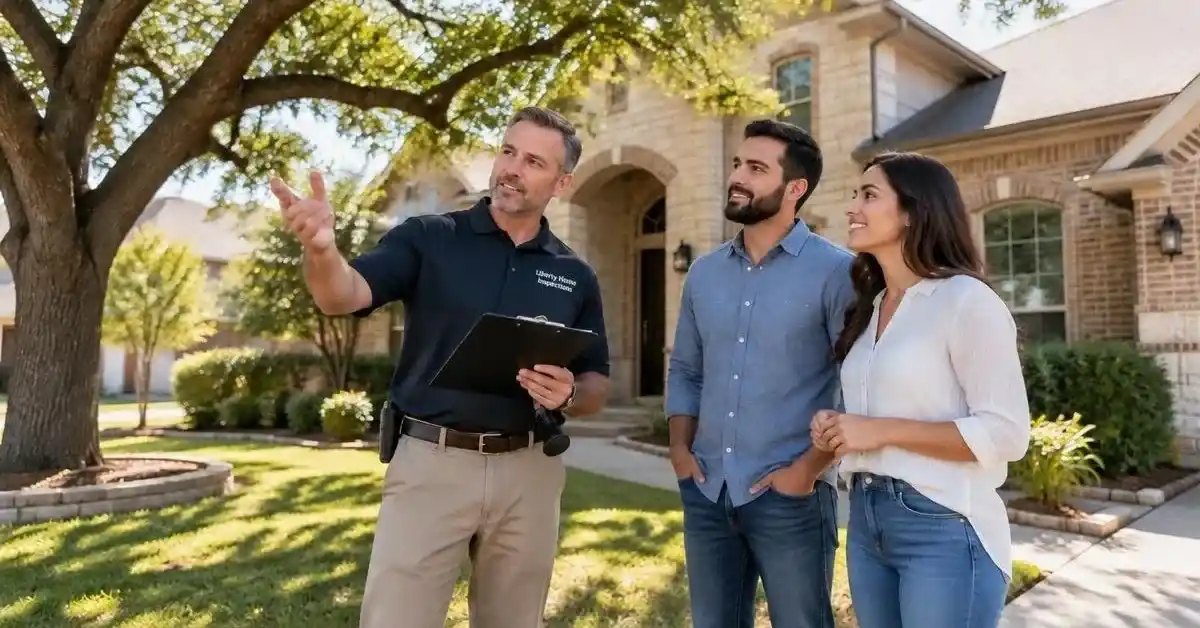
Being present during the inspection gives buyers an opportunity to ask questions and understand the inspector’s observations. They can learn about important property components, maintenance considerations, and areas that may require additional evaluation.
Can Sellers Pay for a Home Inspection Before Listing?
Yes. Sellers can arrange and pay for a professional property inspection before placing their homes on the market. This is commonly called a pre listing inspection.
When considering who pays for home inspection services, it is important to understand that buyers and sellers can both benefit from professional assessments. Although buyers commonly pay for inspections during a purchase, sellers may choose to arrange one independently.
Benefits of a Pre Listing Inspection
A pre listing assessment gives homeowners an opportunity to understand their property’s visible condition before potential buyers begin scheduling showings.
Some important benefits include:
- Identifying visible concerns before listing the property.
- Understanding the condition of major home components.
- Preparing accurate information for potential buyers.
- Reducing unexpected surprises during negotiations.
- Making property disclosures more informed.
Does a Seller Paid Inspection Replace the Buyer’s Inspection?
Not necessarily. Even when a seller provides an existing inspection report, buyers may prefer to arrange their own assessment.
The buyer’s chosen inspector can provide an independent evaluation based on the property’s condition at the time of the appointment. Buyers should also understand that inspection reports describe conditions observed on a particular date and are not guarantees of future performance.
What Factors Affect Home Inspection Costs?
Home inspection fees are not the same for every property. Several factors influence the total amount buyers or sellers may need to spend.
Although people often ask who pays for home inspection expenses, understanding what determines the price is equally important when planning a real estate budget.
Property Size and Age
Larger homes generally require more time to inspect because they contain additional rooms, systems, and components. Older properties may also require closer attention because their materials and building systems can differ from those found in newer construction.
Additional Inspection Services
A standard home inspection focuses on accessible and visible areas. Buyers may also consider additional assessments depending on the property’s characteristics and their concerns.
These may include:
- Termite inspections.
- Radon testing.
- Pool and spa inspections.
- Septic system evaluations.
- Thermal imaging assessments.
Each additional service may involve a separate fee. Buyers should ask about pricing before scheduling so they understand which services are included in the original estimate.
Can Buyers and Sellers Negotiate Who Pays for the Inspection?
Yes. Although buyers usually pay for their own inspections, the parties can negotiate different financial arrangements. The final agreement depends on the terms accepted by both sides and applicable local requirements.
For example, a seller may agree to contribute toward certain transaction expenses as part of the negotiations. In another situation, a buyer may accept responsibility for all inspection fees while negotiating other purchase terms.
What Should Be Included in the Agreement?
Both parties should clearly understand their responsibilities before moving forward. Important details may include who schedules the inspection, who pays the inspector, the inspection deadline, and whether additional assessments are permitted.
Does Paying for the Inspection Give Someone More Control?
Paying the inspection fee does not automatically give a party control over every decision in the transaction. The inspector should provide an objective assessment based on professional observations.
Buyers should review the report carefully, discuss questions with their real estate agent, and consider appropriate next steps within their contractual deadlines.
Frequently Asked Questions
1. Does the buyer or seller normally pay for a home inspection?
The buyer usually pays for a home inspection because the assessment helps them understand the property’s condition before purchasing. However, sellers can arrange and pay for a separate pre listing inspection.
2. Can a seller refuse to pay for a home inspection?
Yes. Sellers generally do not have to pay for the buyer’s inspection unless they agree otherwise. Payment responsibilities depend on the purchase agreement and applicable local requirements.
3. How much does a typical home inspection cost?
Home inspection fees vary according to property size, age, location, and additional services. Buyers should request a written estimate from their chosen inspector before scheduling an appointment.
4. Should buyers attend the home inspection?
Yes. Attending allows buyers to ask questions, understand important findings, and learn about the property’s major systems. It also helps them make more informed decisions before completing the purchase.
5. Can buyers use a seller’s existing inspection report?
Buyers can review a seller’s existing report, but they may still prefer an independent assessment. A separate inspection provides updated observations based on the property’s condition at the time of evaluation.
Conclusion
Understanding who pays for home inspection expenses helps buyers and sellers prepare for the financial responsibilities involved in a real estate transaction. Although buyers typically cover the inspection fee, sellers can also arrange pre listing assessments to understand their property’s condition before putting it on the market. The most important consideration is choosing a qualified professional who provides clear findings and useful information about the property. A detailed inspection can help buyers make confident decisions and give sellers a better understanding of what they are offering. For dependable property assessments and clear inspection reports in Central Texas, Liberty Home Inspections is ready to help. Start With Liberty Home Inspections Today and take the next step toward a more informed property purchase.