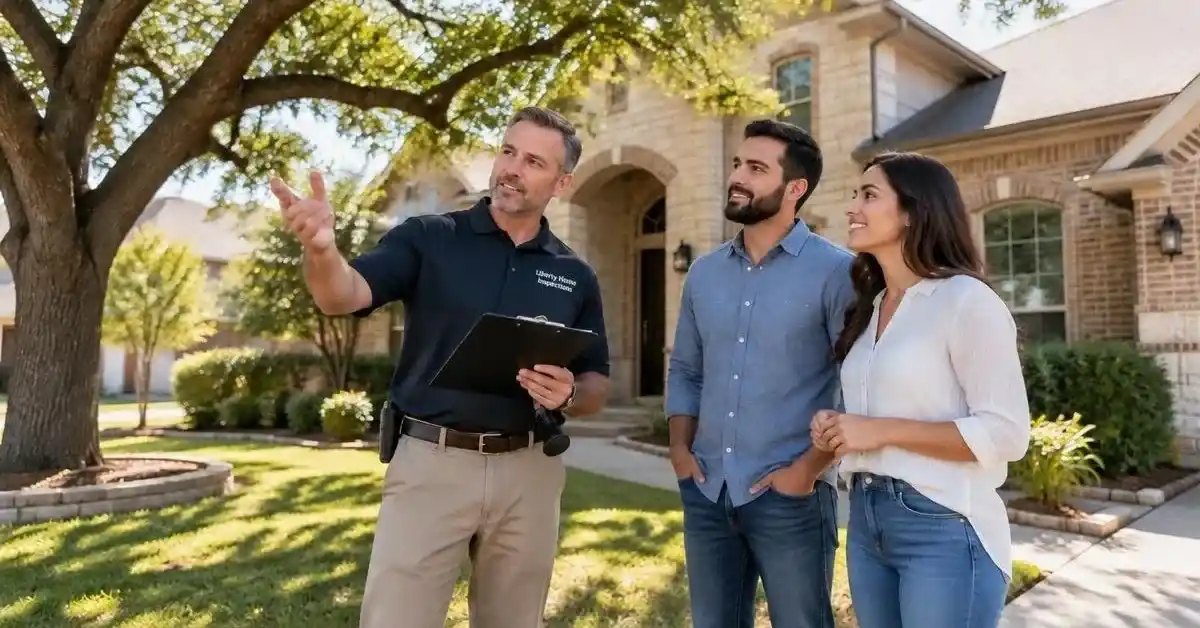
Picture this. You finally find the house with the big oak tree out front, the kitchen you saved on Pinterest, and a backyard the dog already loves. Your agent asks if you want an inspection, and your first thought is simple: is a home inspection required, or is it just another bill before closing? Texas buyers ask that question every single week, and the honest answer surprises plenty of people. Choosing trusted Residential Home Inspection Services Texas buyers rely on can turn a nervous guess into a confident decision about one of the biggest purchases of your life.
What Texas Law Actually Says
No State Rule Forces Buyers to Inspect
Here is the short version. Texas law does not make a buyer order a property inspection before closing. You can legally sign the papers without one. The Texas Real Estate Commission, known as TREC, licenses and oversees home inspectors under Chapter 1102 of the Texas Occupations Code. Still, the choice to inspect stays completely in your hands.
Why Licensing Still Matters
Even though inspections are optional, the people doing them are closely regulated. Every licensed professional inspector in Texas must finish approved education, pass a state exam, and follow the TREC Standards of Practice. Reports go on the official TREC Property Inspection Report form, so findings stay consistent and easy to compare. You get a standardized look at the property, not a random checklist scribbled on a notepad. So is a home inspection required by law? No. Is it reliable and regulated when you choose one? Absolutely.
Is a Home Inspection Required by Lenders?
Conventional Loans
Most conventional lenders care about one thing first, and that is the value of the home securing the loan. They order an appraisal to confirm the price makes sense, but they usually do not ask for a full home inspection. The two sound alike, yet they serve very different people. The appraiser protects the bank. The inspector protects you.
FHA and VA Loans
Government backed loans add a few extra checkpoints. FHA appraisals look at basic safety, security, and soundness, and VA appraisals follow Minimum Property Requirements. Even so, neither program makes a separate home inspection mandatory. In fact, FHA borrowers sign a HUD form titled “For Your Protection: Get a Home Inspection,” which tells you how strongly the government recommends one. So is a home inspection required for an FHA or VA loan? Not officially, but the advice could hardly be louder.
The Texas Option Period and Why Timing Matters
How the Option Period Works
The standard TREC One to Four Family Residential Contract includes an option period. Buyers pay the seller a small option fee, and in return they get an unrestricted right to end the contract within a set number of days. Many Texas buyers negotiate somewhere around five to ten days. If you walk away within that window, you generally keep your earnest money, while the option fee stays with the seller.
Where the Inspection Fits In
This is exactly when smart buyers book their inspection. A clear report during the option period gives you real leverage. You might ask for a lower price, request seller credits, or decide the house simply is not the one. Wait until the window closes and much of that flexibility disappears. People often wonder, is a home inspection required to use the option period? It is not, but nothing makes better use of those few days.
What an Inspector Looks for in a Texas Home
Major Systems
A licensed inspector walks through the structure, roof, attic, plumbing, electrical panel, heating and cooling equipment, water heater, and visible foundation areas. In Central Texas, expansive clay soil and long summers put serious stress on slabs and HVAC units, so those spots get extra attention.
Small Clues With Big Meaning
Some findings look tiny but tell a much bigger story:
- Stair step cracks in brick that may point to foundation movement
- Ceiling stains that hint at past or active leaks
- Double tapped breakers or missing GFCI protection
- Poor attic ventilation that pushes cooling bills higher
Imagine a buyer in Temple who almost skips the inspection on a cute bungalow because it “looks perfect.” Then the inspector spots a slow leak hiding under the bathroom floor. That single finding can save thousands of dollars and plenty of sleepless nights.
Is a Home Inspection Required for New Construction?
New homes feel safe because everything is shiny and untouched. Still, builders move fast, and subcontractors juggle many jobs at once. Missing insulation, loose roof flashing, and reversed hot and cold lines show up more often than most buyers expect.
Phase Inspections
Many Texas buyers order inspections at key stages: before the foundation pour, before drywall covers the framing, and at the final walkthrough. Each phase reveals details that get hidden later.
The 11 Month Warranty Check
Most builders offer a one year workmanship warranty. Scheduling an inspection around month eleven gives you a written list of concerns while the builder is still responsible. So is a home inspection required on a brand new house? No, but skipping one assumes every crew did everything perfectly, and that is a big bet.
Is a Home Inspection Worth the Cost in Texas?
Prices change with square footage, age, and location, but a standard single family inspection usually costs a few hundred dollars. Pools, detached buildings, and older homes can raise the total.
Small Fee, Big Perspective
Now compare that with the price of the house itself. A few hundred dollars is about what some families spend on a weekend getaway, yet it can uncover an aging roof or an outdated electrical panel worth thousands. Think of it as a small price for peace of mind and serious negotiating power.
Frequently Asked Questions
Is a home inspection required by law in Texas?
No. Texas law does not force buyers to inspect a property before closing. However, TREC licenses inspectors and sets standards, so when you hire a professional, you receive a consistent, regulated report that helps you make a confident buying decision.
Do FHA loans require a home inspection?
FHA loans require an appraisal, not a full home inspection. The appraiser checks basic safety and value for the lender. HUD still strongly encourages borrowers to hire an independent inspector, because the appraisal does not protect the buyer’s own interests.
When should I schedule a home inspection in Texas?
Book it as soon as your offer is accepted. The option period is usually short, five to ten days, so early scheduling gives you time to review the report, ask questions, and negotiate with the seller before that window closes.
Can I skip the inspection if the house is brand new?
You can, but it is risky. New homes often hide rushed workmanship, like missing insulation or loose flashing. A licensed inspector catches these details early, while the builder is still responsible for making things right under the original builder warranty.
How long does a home inspection take?
Most Texas home inspections take two to four hours, depending on size, age, and condition. Larger or older homes may take longer. Buyers are welcome to attend, and walking the property with your inspector is a great way to learn.
Conclusion
So, is a home inspection required to buy a house in Texas? Legally, no. Practically, it is one of the smartest moves any buyer can make. It shows you what is really behind the fresh paint, protects your option period leverage, and helps you avoid expensive surprises after move in day. Whether you are buying a starter home in Killeen, a family house in Belton, or a new build near Waco, a professional inspection keeps your decision grounded in facts instead of hope. Ready to buy with confidence? Schedule with Liberty Home Inspections and get a clear, honest report on your future home before the option period runs out.