Buying a house feels a bit like a first date. Everything looks charming at first, but you want to know what’s really going on before you commit. That’s where a Detailed Home Inspection Report Caldwell TX comes in. A home inspection report gives you a clear, honest picture of the property’s condition, so you can make your decision with confidence and not just hope for the best.
Understanding the Purpose of a Home Inspection Report
A home inspection report is a written record of everything a licensed inspector sees during a visual walkthrough of a property. It isn’t a pass or fail test. It’s a snapshot of the home’s current condition on the day of the visit.
Why Buyers and Sellers Rely on It
Buyers use the findings to negotiate price, ask for credits, or simply plan their budget for the first few years. Sellers often order a prelisting inspection so there are no surprises once an offer is on the table. I once watched a young couple find out the water heater was nearly 15 years old. That one line in the report saved them from a cold shower and a nasty bill in their first winter.
What Inspectors Follow
In Texas, inspectors follow the Standards of Practice set by the Texas Real Estate Commission (TREC). Most reports use the TREC REI 7 form, which keeps the format consistent across inspectors and makes it easy to read.
Structural Elements and Exterior Findings
The bones of the house come first. A solid structure means fewer headaches later, and inspectors spend real time here.
Foundation and Framing
The inspector looks for cracks, uneven floors, sticking doors, and other signs of settlement. Clay soil is common around Caldwell, so foundation movement is something local buyers should pay attention to. The report notes visible concerns and may suggest an evaluation by a structural engineer.
Roof, Gutters, and Siding
Next comes the roof covering, flashing, gutters, and downspouts. Missing shingles, soft decking, or poor drainage all get noted. The exterior walls, trim, windows, and doors are checked for gaps, rot, and moisture damage. Grading around the house matters too, because water that flows toward the foundation can cause trouble over time. Most inspection findings in this section come with photos, so you can see exactly what the inspector saw.
Major Systems Inside the Home
This part of the home inspection report often has the most detail, and honestly, it’s where a lot of the costly stuff hides.
Electrical System
Inspectors check the main panel, breakers, visible wiring, outlets, and GFCI protection in kitchens, baths, and outdoor areas. Double tapped breakers, missing covers, or outdated wiring get flagged as safety items.
Plumbing System
Supply lines, drain pipes, fixtures, water pressure, and the water heater are all evaluated. The inspector runs faucets and flushes toilets, looking for slow drains or active leaks under sinks.
Heating and Cooling
In a Texas summer, a working air conditioner isn’t optional. The HVAC section covers the furnace, condenser, ductwork, thermostat, and filter condition. Inspectors also note the approximate age of the equipment, which helps you plan ahead for replacement costs.
Interior Rooms, Attic, and Appliances
Beyond the big systems, the inspector walks through each room with a careful eye.
Living Spaces
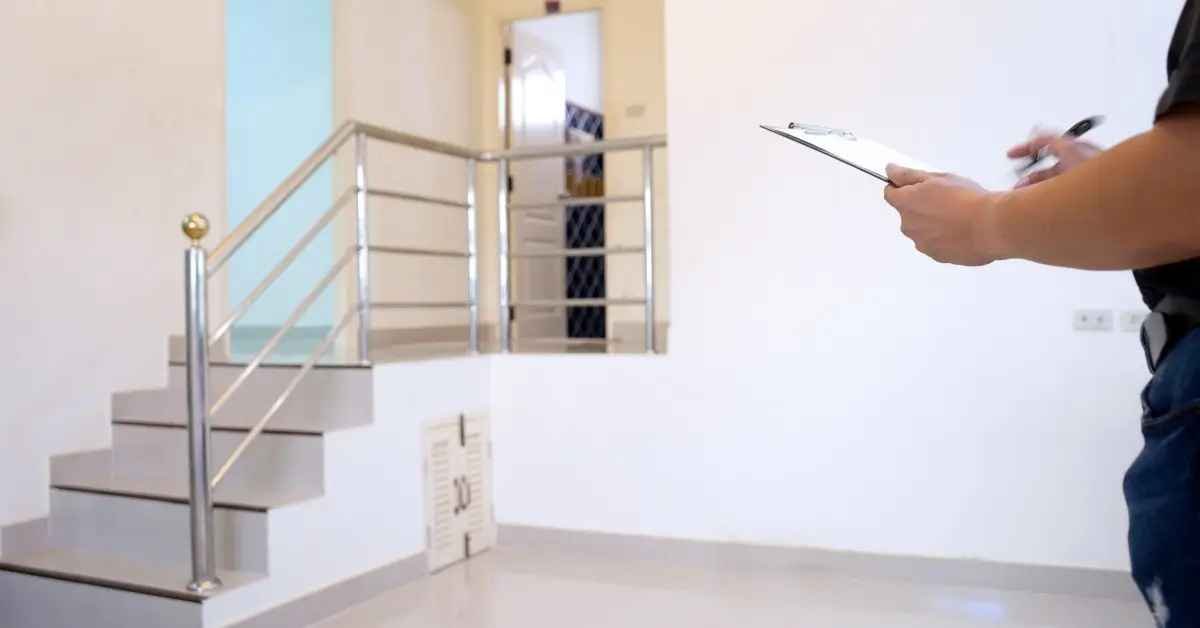
Walls, ceilings, floors, stairs, and railings are reviewed for damage or safety concerns. Water stains on a ceiling might seem minor, but they can point to a roof or plumbing leak above.
Attic and Insulation
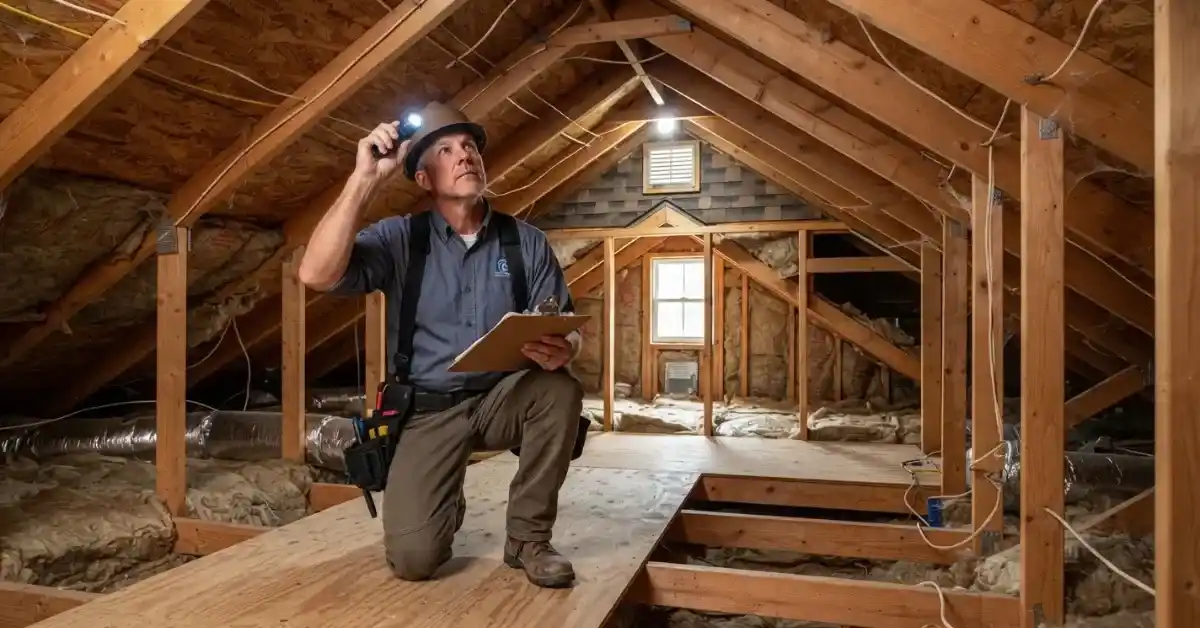
The attic tells a lot of stories. Inspectors check insulation depth, ventilation, signs of pests, and any moisture on the roof decking.
Built In Appliances
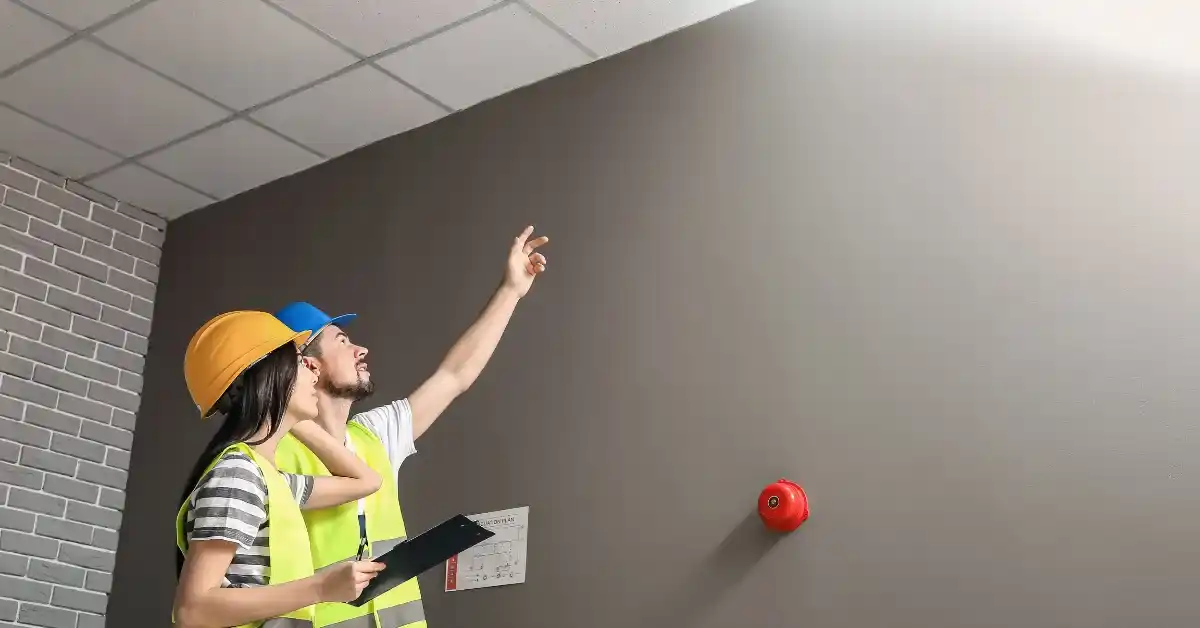
The dishwasher, range, oven, microwave, garbage disposal, and exhaust fans are tested for basic operation. Smoke alarms and carbon monoxide detectors are also checked. It’s a quick part of the visit, but finding a dead oven before move in day is always nicer than finding it on Thanksgiving morning.
How to Read and Use Your Inspection Report
A typical home inspection report can run 30 to 60 pages, which feels overwhelming at first. Don’t panic. Long reports usually mean a thorough inspector, not a bad house.
Focus on the Summary
Most reports open with a summary of significant items. Start there. Separate safety hazards and major defects from cosmetic notes like scuffed paint or a loose cabinet handle.
Next Steps After Reading
Here’s a simple approach that works well:
- Highlight safety concerns first
- Get quotes from qualified contractors for big items
- Talk with your agent about credits or price changes
- Keep the report for future maintenance planning
Your inspection report also becomes a handy reference long after closing. Many homeowners pull it out years later to check the age of the roof or HVAC unit.
Frequently Asked Questions
How long does it take to receive a home inspection report?
Most inspectors deliver the home inspection report within 24 hours of the visit. Some send it the same evening. The digital format usually includes photos, comments, and a summary, so buyers can review findings quickly and share them.
Does a home inspection report include photos?
Yes, a modern home inspection report usually includes clear photos of important findings. Pictures help buyers, agents, and contractors understand each concern without guessing. They also make it easier to compare conditions later and track changes over many years.
Can a house fail a home inspection?
No, a house cannot fail an inspection. The report simply describes the property’s condition on that specific day. Buyers then decide whether the findings are acceptable, worth negotiating over, or serious enough to walk away from the purchase.
Should I attend the home inspection?
Attending is a smart idea whenever your schedule allows it. You can ask questions, see concerns in person, and learn how the home’s systems work. Many inspectors happily explain their findings, which makes the written report much easier to understand.
How much does a home inspection cost in Texas?
Most Texas inspections cost between 350 and 550 dollars, depending on square footage, age, and extra services. Pool, sprinkler, or termite checks add to the price. Ask for a written quote before booking so nothing surprises you later.
Conclusion
A home inspection report is one of the smartest tools a buyer or seller can have. It shows you the structure, systems, and safety of a property in plain language, so you can move forward without guesswork. Whether you’re buying your first home or selling a longtime family house, a thorough report protects your money and your peace of mind. If you want a clear, honest, and easy to read report from a team that truly cares, reach out to Start With Liberty Home Inspections today and book your inspection with confidence.