
Buying a home can feel exciting until you wonder what might be hiding behind the walls or above the ceiling. Knowing inspectors look for a house and understanding what do inspectors look for in a house can make the process less stressful. A professional inspection is a visual review of accessible areas and major systems, giving buyers a clearer picture of the property’s condition.
What Inspectors Check Outside the House
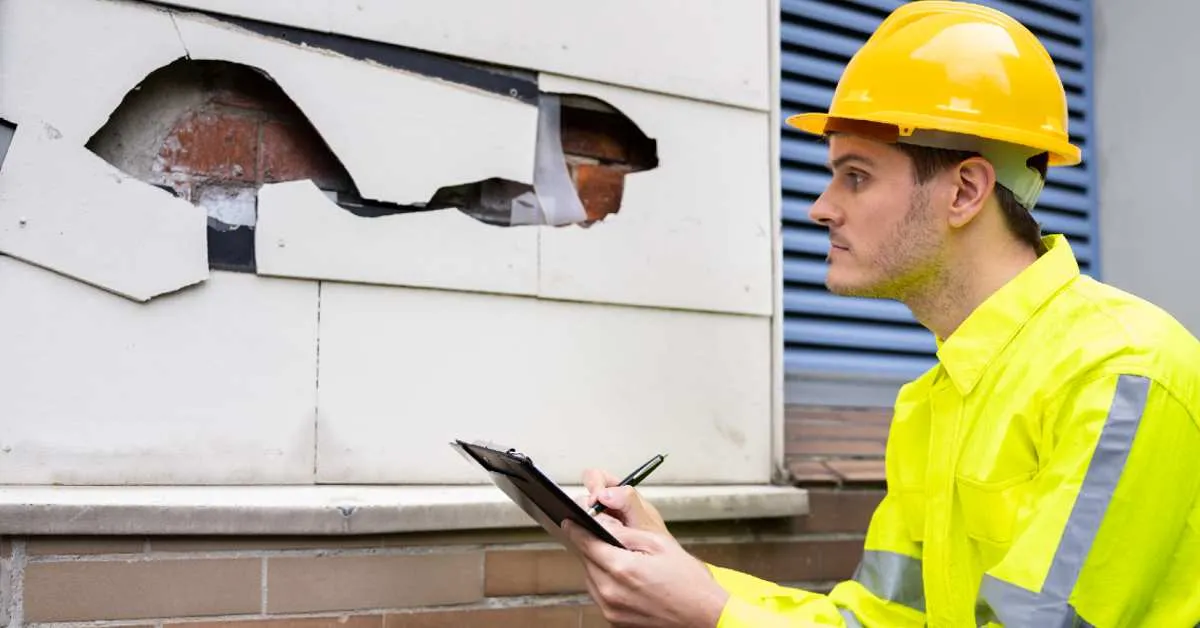
The exterior gives an inspector early clues about how a property has been maintained. A major part of what do inspectors look for in a house involves drainage, surfaces, openings, and visible structural concerns.
Roof and Attic Areas
Inspectors examine the roof covering, flashing, visible vents, gutters, downspouts, and other accessible components. They look for damaged materials, signs of water entry, and poor drainage. In the attic, they may check visible insulation, ventilation, framing, and moisture staining.
Walls, Windows, and Foundation
Exterior walls are checked for noticeable cracks, gaps, or signs of moisture. Windows and doors are reviewed for visible damage and general operation. Inspectors also examine accessible foundation areas for cracks, displacement, or dampness.
What Inspectors Examine Inside
Once inside, inspectors move through accessible rooms and focus on major systems, safety features, and visible conditions. Understanding what do inspectors look for in a house also explains why an inspection can take time.
Electrical System
The inspection may include the electrical panel, visible wiring, outlets, switches, and accessible fixtures. Inspectors look for conditions that appear unsafe or inconsistent with normal installation practices.
Plumbing and Water Systems
Visible supply pipes, drains, faucets, toilets, water heaters, and other accessible plumbing components are commonly examined. Inspectors look for leaks, corrosion, water pressure concerns, and moisture signs.
Heating and Cooling
Heating and cooling equipment is reviewed for visible condition and basic operation when appropriate. The inspector may examine accessible controls, vents, and flue areas.
Structural and Safety Features Inspectors Notice
A home can look beautiful while still having concerns that are easy to miss during a casual visit. That is why what do inspectors look for in a house includes structure, ventilation, and safety devices.
Structure and Interior Surfaces
Inspectors look at visible floors, ceilings, walls, stairs, beams, posts, and other accessible structural elements. They watch for unusual movement, significant cracks, and moisture staining.
Safety Features
Smoke alarms, carbon monoxide alarms, handrails, guardrails, stairways, and other visible safety features may receive attention. Inspectors can also note visible safety concerns around fireplaces, garages, and electrical equipment.
Moisture and Ventilation
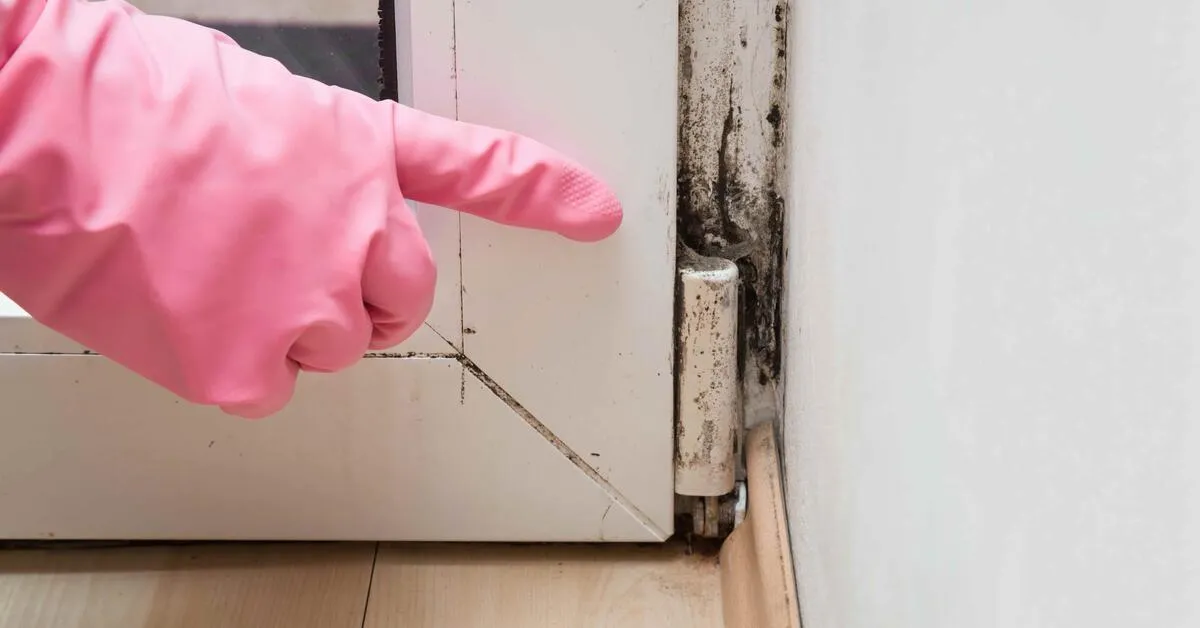
Water is a common source of concern in homes. Inspectors look for staining, damp areas, condensation, visible mold like growth, and ventilation conditions in bathrooms, kitchens, crawl spaces, and attics.
What Inspectors Look For in a House Room by Room
A room by room inspection helps connect individual observations with the home’s overall condition. Understanding what do inspectors look for in a house is useful when buyers prepare for inspection day.
Kitchen
In the kitchen, inspectors commonly examine accessible appliances, plumbing fixtures, cabinets, countertops, outlets, ventilation, and visible surfaces. They may check whether fixtures operate and whether water flows and drains normally.
Bathrooms
Bathrooms receive close attention because they combine plumbing, electrical features, ventilation, and moisture exposure. Inspectors may examine toilets, sinks, tubs, showers, exhaust fans, outlets, and visible sealant conditions.
Basement, Crawl Space, and Garage
These areas can reveal information that is not obvious from living spaces. Inspectors look for moisture, drainage concerns, exposed structure, ventilation, visible wiring, plumbing, and mechanical equipment.
What a Home Inspection Report Can Tell You
After the inspection, findings are typically organized into a written report. Knowing what do inspectors look for in a house helps you read those findings with realistic expectations.
Major Concerns and Routine Observations
Some findings may involve safety, water entry, structural components, or major systems. Others may be routine maintenance observations or conditions that deserve monitoring.
Questions to Ask
If a report includes unfamiliar terms, ask the inspector to explain what was observed, where it was found, and why it matters.
Inspection Limits Matter
A standard home inspection is generally visual and non invasive. Hidden areas, concealed components, and conditions requiring specialized testing may fall outside its scope. Inspectors cannot report on conditions they cannot reasonably observe.
FAQ
What do inspectors look for in a house?
They generally examine accessible structural components, the roof, exterior, plumbing, electrical systems, heating and cooling equipment, moisture conditions, and visible safety features.
How long does a home inspection take?
What do inspectors look for in a house can vary with property size, age, condition, and accessibility.
Should the homeowner attend the inspection?
Many buyers find it helpful to attend when possible. Being present can make observations easier to understand and discuss clearly with confidence.
Do inspectors check every part of a house?
Inspectors review accessible areas within the agreed inspection scope. Concealed spaces may not be evaluated.
What should I do after receiving the inspection report?
Review significant findings, ask questions about unclear items, and discuss next steps with qualified professionals when needed.
Final Thoughts
A home inspection is about gaining useful information before making an important property decision. From roof coverings and drainage to electrical components, plumbing, ventilation, structure, and safety features, what do inspectors look for in a house covers far more than a quick walk through can reveal. The more you understand the process, the easier it becomes to focus on meaningful findings. For dependable guidance and a careful look from roof to foundation, Liberty Home Inspections can help you move forward with greater clarity and confidence.