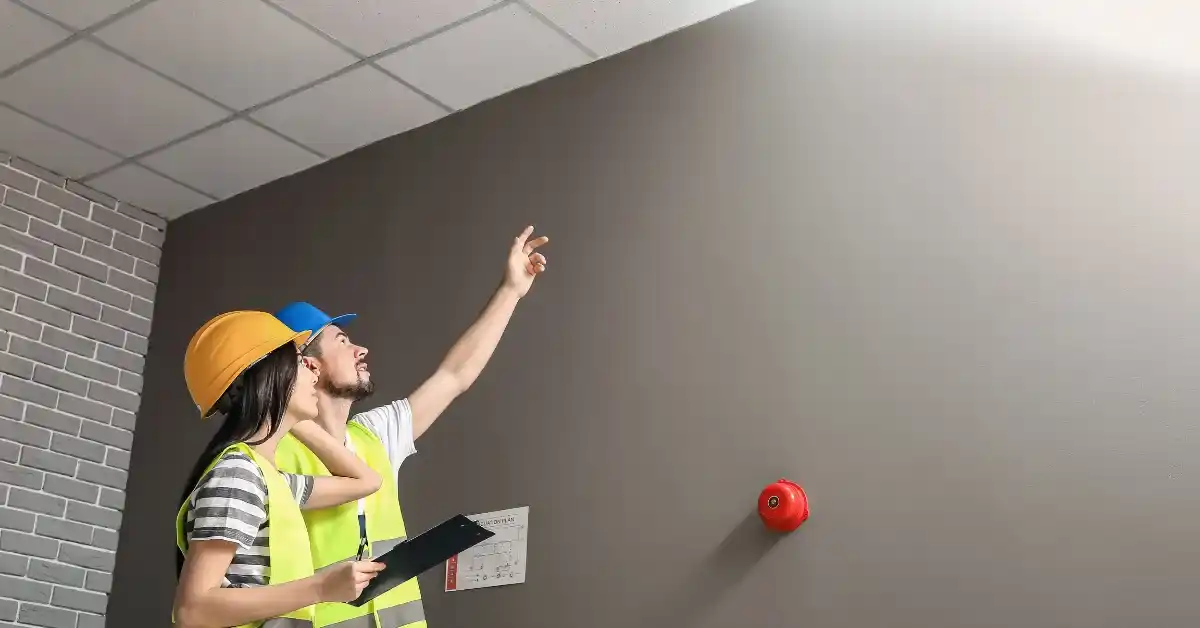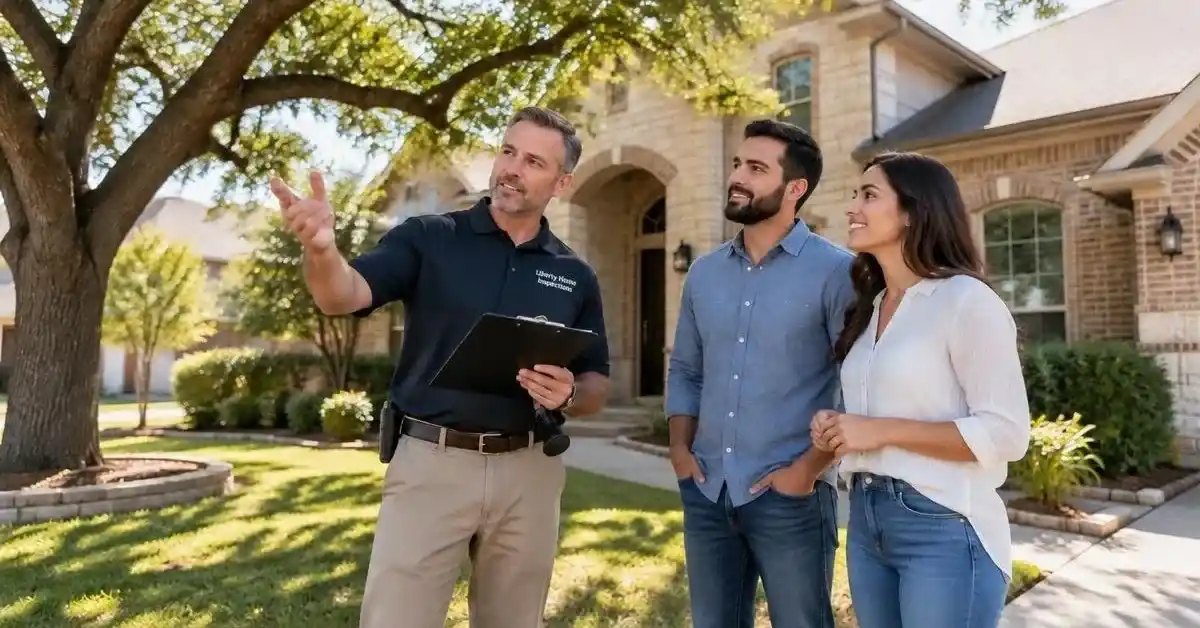

Buying a home is a major decision, and knowing its actual condition can help you avoid unexpected expenses later. A professional inspection gives you a clearer picture of the property, from the roof to the foundation. Understanding how to choose a home inspector is an important step before making your final booking. Whether you are purchasing your first house or moving to another property, selecting the right professional can make the process much easier. If you need a Residential Property Inspection Bynum, TX, look for someone who understands local homes, follows a detailed inspection process, and explains findings in simple language. Taking time to check a few important details before scheduling can help you make a confident decision.
1. Check the Inspector’s Qualifications and Credentials
One of the first things to verify is the inspector’s professional background. Home inspection requirements can vary depending on the state, so take time to understand which qualifications apply in your area. A qualified professional should be familiar with residential construction, building systems, and common property concerns.
Ask About Training and Professional Memberships
Ask where the inspector received their training and whether they participate in recognized professional organizations. These details can help you understand their commitment to professional standards and continued learning.
You can also ask about relevant certifications and any state requirements that apply to their work. Do not assume that someone is qualified simply because they advertise home inspection services online.
Confirm Their Inspection Experience
Practical experience matters because different homes can have different challenges. Older properties, newly constructed houses, and homes with additions may require different areas of attention.
Choose someone who can explain their qualifications without making the conversation complicated. Clear answers are often a good sign of professionalism.
2. Look at Their Home Inspection Experience
Experience is another important factor when deciding how to choose a home inspector. Someone who has inspected many different residential properties may recognize concerns that a less experienced professional could overlook.
Ask How Many Properties They Have Inspected
You do not need to focus only on the number of inspections completed. Ask about the types of properties they have worked with and whether they regularly inspect homes similar to yours.
For example, a historic property may have different characteristics from a recently constructed house. Experience with different building styles can help an inspector understand what deserves closer attention.
Check Their Knowledge of Local Homes
Local knowledge can also be valuable. Construction methods, weather conditions, and common building materials can differ between communities.
Ask whether the inspector regularly works in your area. Someone familiar with local housing styles may be better prepared to explain common concerns and what they mean for a potential buyer.
3. Review Sample Inspection Reports
An inspection report is one of the most useful documents you receive after the property assessment. It explains the inspector’s observations and helps you understand the overall condition of the house.
Look for Clear and Detailed Information
Before booking, ask whether you can review a sample report. A professional report should be organized, easy to read, and supported by photographs when appropriate.
Look for information about important property components, including:
- Roof condition and visible exterior concerns
- Foundation and structural components
- Electrical systems and visible wiring
- Plumbing fixtures and accessible pipes
- Heating and cooling equipment
- Windows, doors, and interior surfaces
- Attic spaces and visible insulation
These details help buyers understand what the inspector evaluates during a standard property inspection.
Make Sure Findings Are Easy to Understand
A useful report should explain observations in everyday language. Technical terms can sometimes confuse buyers, especially those purchasing their first home.
Ask whether the inspector explains important findings after the inspection. Having an opportunity to discuss the report can help you understand which observations deserve further attention.
4. Understand What the Inspection Includes
Not every inspection service covers exactly the same areas. Before making a booking, understand what is included in the standard inspection and whether additional services are available.
Ask About the Main Property Components
A general home inspection commonly involves a visual assessment of accessible areas and major systems. The inspector may examine the roof, foundation, walls, ceilings, plumbing, electrical components, heating equipment, and cooling systems.
However, the exact scope depends on applicable inspection standards, property conditions, and the agreement between you and the inspector.
Ask what areas are included and whether any parts of the property may be inaccessible.
Discuss Additional Inspection Services
Some properties may need specialized evaluations beyond a standard home inspection. Examples include certain environmental concerns, pest activity, or specific structural questions.
A general home inspector may not provide every specialized service. Ask whether additional assessments are available or whether another qualified professional should be contacted.
Understanding these details before booking helps prevent confusion about what the inspection can and cannot tell you.
5. Compare Pricing and Inspection Fees
Price is naturally an important consideration, but choosing the cheapest service is not always the best decision. A home inspection involves time, professional knowledge, and careful attention to important property details.
Request a Clear Price Estimate
Contact several local inspectors and ask for their pricing. The final fee may depend on the property’s size, age, location, and complexity.
Ask whether the quoted price includes the written report, photographs, and a discussion of the findings. You should also clarify whether additional services have separate fees.
A clear estimate makes it easier to compare different providers fairly.
Avoid Making Price Your Only Priority
An unusually low price may sound attractive, but you should still evaluate the inspector’s experience, qualifications, and reporting quality.
Consider the value of receiving a thorough assessment and understandable information about the property.
A slightly higher fee may be worthwhile when the professional offers clear communication, a detailed report, and a well organized inspection process. Focus on the quality of service rather than selecting a provider based on price alone.
6. Check Reviews and Customer Feedback
Online reviews can provide helpful information about an inspector’s reputation and customer service. Previous customers often share details about their experiences, including communication, punctuality, and report quality.
Read Reviews Across Different Platforms
Check business listings, professional directories, and other trusted review platforms. Look for repeated comments about the inspector’s reliability and ability to explain findings.
Pay attention to both positive and negative feedback. One unhappy review does not necessarily represent the entire business, but repeated complaints about similar issues deserve consideration.
Ask for References When Necessary
If you still have questions, ask whether the inspector can provide references from previous customers.
A professional should be comfortable discussing their experience and explaining how they work with buyers.
You can also ask friends, family members, or real estate professionals whether they have recommendations. Personal experiences can provide another useful perspective when comparing local home inspection services.
7. Evaluate Communication and Availability
Good communication makes the inspection process easier. Your inspector should be willing to answer questions, explain the inspection process, and provide clear information about scheduling.
Notice How They Answer Your Questions
Pay attention to how the professional responds during your first conversation. Do they explain things clearly? Are they patient when you ask basic questions? Do they provide direct answers?
These small details can tell you a lot about their approach to customer service.
Confirm the Appointment Details
Before booking, discuss the inspection date, expected duration, property access, and report delivery time.
It is also helpful to ask whether buyers can attend the inspection. Being present allows you to see important areas firsthand and ask questions as the assessment takes place.
Clear scheduling and communication help avoid unnecessary confusion on inspection day.
8. Confirm Their Inspection Process and Equipment
A professional inspection requires a consistent process and suitable equipment. Although every property is different, the inspector should follow an organized approach rather than simply walking through the house without a clear plan.
Ask How They Examine Different Areas
Ask how they assess accessible spaces, major systems, and visible structural components. Their explanation should give you a reasonable understanding of what happens during the appointment.
Check Whether They Use Appropriate Tools
Depending on the property and inspection requirements, professionals may use tools such as moisture meters, electrical testers, flashlights, and ladders.
The equipment used will depend on the inspection scope. What matters most is that the inspector knows how to use appropriate tools and follows safe inspection practices.
9. Ask About Professional Standards and Limitations
A trustworthy home inspector should explain the standards they follow and the limitations of their service.
Understand What a Standard Inspection Can Reveal
Most general home inspections focus on visible and accessible property conditions. They are not the same as destructive testing or a complete evaluation of every hidden component.
For example, an inspector may identify visible signs of moisture without determining the exact source behind a finished wall.
Ask How Important Findings Are Communicated
Find out how the inspector describes significant concerns and whether they recommend further evaluation by a specialist when necessary.
A responsible professional will not promise to identify every possible issue. Instead, they should explain their observations honestly and help you understand where additional expertise may be useful.
10. Make Sure You Receive a Written Agreement
Before confirming your appointment, review the service agreement carefully. This document should explain the inspection scope, fees, responsibilities, and reporting arrangements.
Review the Terms Before Signing
Check the appointment details, payment requirements, cancellation terms, and any stated limitations. Ask questions if something is unclear.
You should understand exactly what service you are booking before the inspector visits the property.
Keep Important Documents Organized
Save your appointment confirmation, service agreement, and final inspection report. Keeping these documents together makes it easier to review property information during the buying process.
Taking a few minutes to understand the paperwork can prevent misunderstandings later.
Frequently Asked Questions
1. How do I know if a home inspector is qualified?
Check the inspector’s training, relevant certifications, professional memberships, and experience. Also confirm whether they meet the licensing or registration requirements in your state. A qualified professional should explain their background and inspection process clearly.
2. How long does a typical home inspection take?
A typical residential inspection may take two to four hours, depending on the home’s size, age, condition, and accessibility. Larger or more complex properties may require additional time. Ask your inspector for an estimated appointment duration.
3. Should I attend my home inspection?
Yes, attending can be helpful because you can observe the property assessment and ask questions directly. The inspector can explain important observations, show you accessible areas, and help you understand the home’s overall condition.
4. What should I look for in a home inspection report?
Look for clear descriptions, photographs, and information about major property components. The report should explain visible concerns involving the roof, foundation, plumbing, electrical systems, and heating equipment in language that buyers can understand.
5. When should I schedule a home inspection?
Schedule an inspection after your purchase agreement allows for one and within the applicable inspection period. Confirm the appointment early so you have enough time to review the findings and discuss any concerns before important deadlines.
Conclusion
Choosing the right professional can make a meaningful difference when purchasing a property. Knowing how to choose a home inspector helps you compare qualifications, experience, inspection reports, service fees, and communication before making your decision. Do not rush the process or select someone based on price alone. Look for a professional who takes time to explain findings, follows appropriate standards, and provides useful information about the home’s condition. If you are preparing to purchase a property, take the next step with Liberty Home Inspections. Work with Liberty Home Inspections to arrange a professional property assessment, get clear answers to your questions, and move forward with greater confidence in your home buying decision.