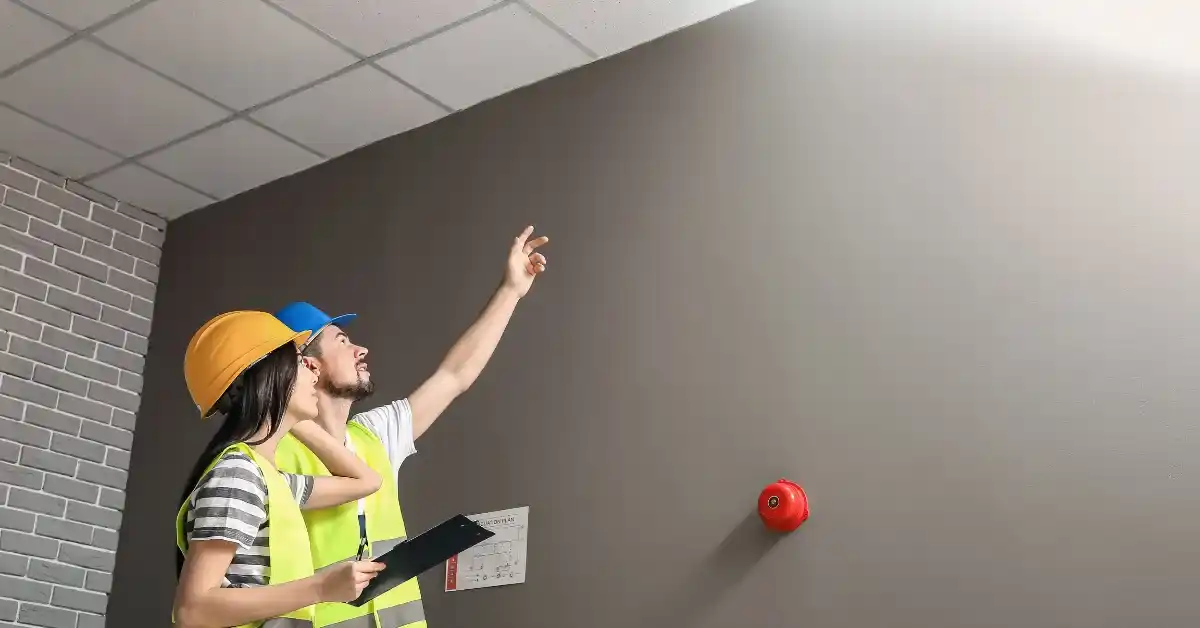

You found the house. The kitchen is bright, the backyard has room for a dog, and you’ve already pictured where the couch goes. Then the inspector hands you a report thicker than a paperback novel. That’s exactly why booking a Pre-Purchase Home Inspection Franklin TX before closing matters so much. Knowing the real home inspection deal breakers helps you tell cosmetic quirks apart from problems that could drain your savings for years.
Every property has flaws. The trick is spotting the ones that turn a dream home into a money pit.
Structural and Foundation Red Flags
Foundation Cracks and Shifting
The foundation holds everything up, so trouble here deserves your full attention. Hairline cracks in concrete are common as homes settle. Wide horizontal cracks, sticking doors, sloping floors, and gaps around window frames point to something bigger. Central Texas is known for expansive clay soil that swells when wet and shrinks during drought, which puts real stress on slabs over time.
Roof and Framing Damage
An aging roof isn’t always a reason to bolt, especially if the asking price reflects it. Rotted rafters, widespread water stains in the attic, or a sagging ridgeline tell a more serious story. These are classic home inspection deal breakers because the work is expensive and often uncovers hidden damage once contractors open things up.
Hidden Hazards Behind the Walls
Electrical System Concerns
Outdated wiring is one of the most common surprises in older properties. Knob and tube wiring, found in many houses built before the 1950s, has no ground wire and can overheat when overloaded. Aluminum branch wiring from the 1960s and 1970s also raises fire concerns at connection points. Scorched outlets, buzzing panels, or double tapped breakers are signs you shouldn’t brush off.
Plumbing and Sewer Line Trouble
Leaks love to hide. Polybutylene pipes, installed widely between 1978 and 1995, earned a reputation for failing without warning. A sewer scope can reveal tree roots growing into the line or collapsed sections that cost thousands to dig up. Water problems are among the sneakiest home inspection deal breakers because they often stay hidden until after closing.
Environmental and Health Risks
Mold, Radon, and Asbestos
Some home inspection deal breakers aren’t visible at all. According to the EPA, radon is the second leading cause of lung cancer in the United States, so testing is worth every penny. Mold spreading across large areas, especially inside HVAC ducts, signals ongoing moisture. Asbestos may also lurk in old insulation, flooring, or popcorn ceilings in homes built before 1980.
Lead Paint and Termites
Lead based paint was banned for residential use in 1978, yet it still turns up in older homes. That matters a lot if you have toddlers who chew on everything, windowsills included. Termites deserve a mention too. An active colony can quietly hollow out wood framing for years before anyone spots the damage behind a baseboard.
How to Decide Whether to Walk Away
Separate Cosmetic Flaws From Serious Defects
Peeling paint or a squeaky cabinet won’t wreck your budget. When I helped my cousin shop for her first home near Bryan, she almost walked away over ugly bathroom tile while ignoring a sagging roofline. Her priorities were upside down, and plenty of buyers do the same. Focus on safety, big costs, and resale value instead.
Negotiate First, Then Trust Your Budget
Finding problems doesn’t automatically mean you should run. Many sellers will lower the price or offer closing credits once real defects appear on paper. Still, if the seller won’t budge or the list of home inspection deal breakers keeps growing, walking away is a smart move, not a failure. Your option period exists for exactly this reason. Another house will come along, I promise.
Frequently Asked Questions
What are the most common home inspection deal breakers?
Foundation movement, major roof damage, outdated electrical wiring, failing sewer lines, and widespread mold top the list. Each one brings serious safety risks or high costs, which is why buyers often reconsider their offer once these problems appear in an inspection report.
Can I back out of a home purchase after a bad inspection?
Yes, in most cases. Texas buyers typically pay a small option fee for a set number of days to cancel for any reason, including poor inspection results. Cancel within that window and your earnest money normally comes back to you.
Is a cracked foundation always a reason to walk away from a house?
Not always. Thin settling cracks are normal in most slabs. Broad, stair step, or horizontal cracks paired with jammed doors and uneven floors point to serious movement. A structural engineer’s evaluation will show whether the issue is manageable or a true dealbreaker.
Should I worry about mold found during a home inspection?
Small patches near a shower are usually minor. Large colonies inside walls, attics, or ductwork point to a hidden moisture source. Ask for air quality testing and a professional assessment before deciding, because cleanup costs can climb quickly and the health effects are real.
How do home inspection deal breakers affect negotiations?
Serious defects hand buyers real leverage. You might ask for a lower price, request seller credits at closing, or exit the deal entirely. Detailed cost estimates from licensed professionals make your requests harder for any seller to dismiss or ignore.
Final Thoughts Before You Sign
No house is flawless, but some problems are simply too big to ignore. Understanding home inspection deal breakers gives you the confidence to negotiate firmly or step back when the numbers stop adding up. Foundation movement, unsafe wiring, hidden moisture, and health hazards all deserve serious weight in your final decision.
Ready to buy with confidence? Book your visit and Get Started with Liberty Home Inspections so a trained eye can examine every corner before you sign on the dotted line.