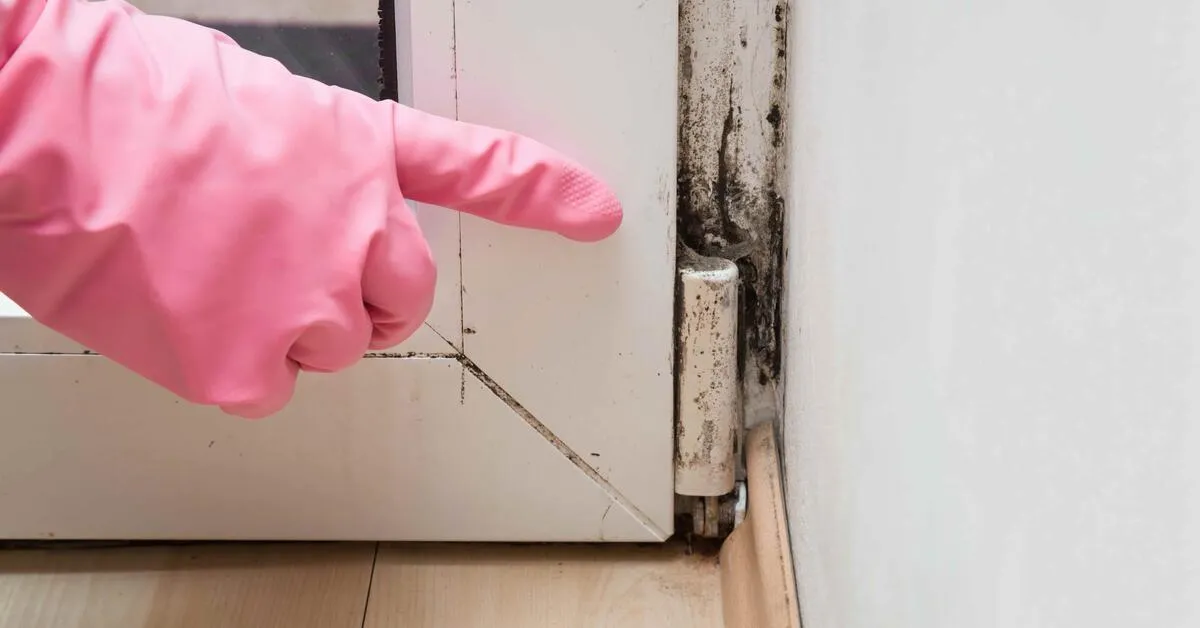
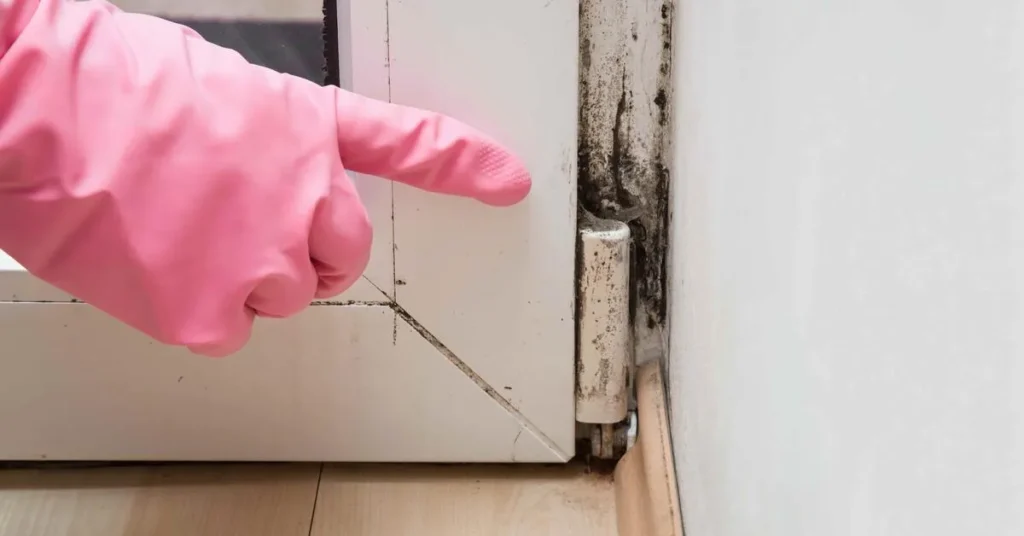
Knowing how to test for mold in your house can help you respond quickly when you notice a musty smell, dark spots, or signs of moisture. Mold can grow in places that stay damp, including bathrooms, basements, around plumbing fixtures, inside wall spaces, and beneath materials exposed to water. A mold home inspection can provide a closer look when visible signs do not tell the whole story. Understanding where to look and what signs matter can make it easier to decide whether simple observation is enough or professional evaluation is appropriate.
Start by Looking for Moisture
Moisture is one of the biggest clues when checking a home for possible mold growth. Mold needs moisture to grow, so areas with leaks, condensation, flooding, or consistently high humidity deserve extra attention.
Check Common Problem Areas
Look beneath sinks, around toilets, near showers, behind appliances, and around windows. Pay attention to ceilings below bathrooms and areas surrounding plumbing connections. A small water stain does not automatically mean mold is present, but it indicates that moisture has affected the material.
Musty odors can also provide an important clue. Sometimes a room smells damp even though no visible growth can be found. This can happen when moisture is present behind walls, under flooring materials, or in another concealed space.
Indoor humidity also matters. Keeping indoor relative humidity below 60 percent, with an ideal range between 30 and 50 percent, can help reduce conditions that support mold growth. A basic humidity meter can help you monitor rooms where moisture tends to collect.
Look Closely for Visible Mold
If you are learning how to test for mold in your house, start with a careful visual inspection. You do not always need special equipment to notice obvious signs of growth. Mold can appear in different colors and textures, so appearance alone cannot reliably identify the specific type.
Watch for Changes in Materials
Look for unusual discoloration, fuzzy patches, staining, or areas that appear damp or swollen. Pay special attention to drywall, wood, insulation, and other porous materials that have experienced water exposure.
Do not assume that every dark stain is mold. Dirt, dust, old water marks, and other substances can look similar. At the same time, visible growth should not be ignored simply because it covers a small area.
A flashlight can help you examine dark corners, spaces behind furniture, cabinets, and other areas with limited natural light. Move items carefully and look for moisture damage as well as unusual odors.
Understand Home Mold Testing Options
Many homeowners search for how to test for mold in your house because they want a clear answer before taking further action. Home testing kits are available, but their results can be difficult to interpret without additional information about the property.
Air and Surface Sampling
Air sampling can measure the types and amounts of airborne particles collected during testing. Surface sampling can collect material from a specific location for laboratory analysis. These methods can be useful in certain situations, especially when visible growth is limited or the source is uncertain.
However, a test result by itself does not always explain why mold is present or where moisture is coming from. A home with no obvious visible growth can still have a moisture problem that deserves attention.
Professional evaluation generally considers the condition of the building, moisture sources, visible signs, odors, and other factors rather than relying on one sample alone. This broader approach can provide more useful information when hidden growth is suspected.
Know Where Hidden Mold May Be
Learning how to test for mold in your house also means knowing where hidden growth can develop. Mold may remain concealed when water enters areas that are difficult to see or reach.
Areas That Deserve Extra Attention
Check around plumbing lines, beneath sinks, near air conditioning equipment, inside cabinets, around windows, and in areas that have experienced previous water damage. Wall cavities can also hold moisture when leaks occur behind surfaces.
Basements and crawl spaces deserve attention because poor ventilation and moisture can create favorable conditions. Bathrooms are another common concern because frequent showers create steam and condensation.
If you notice a persistent musty smell but cannot find visible growth, avoid opening walls or removing materials simply to search for mold. Disturbing concealed material can spread particles and create additional problems. A professional can help determine whether further investigation is appropriate.
Know When Professional Testing Makes Sense
There are situations where knowing how to test for mold in your house through simple observation is not enough. Professional help may be useful when moisture damage is extensive, the source cannot be located, or someone in the household experiences repeated discomfort associated with a particular indoor environment.
Consider the Full Picture
Professional inspectors can examine areas for moisture, water damage, ventilation concerns, and conditions that may support mold growth. Depending on the situation, they may recommend sampling or additional evaluation.
A particularly useful approach is to identify the moisture source first. If a leaking pipe, roof problem, condensation issue, or drainage concern remains unresolved, mold can continue to return even after affected materials are addressed.
Regular attention also helps. Check damp areas after heavy rain, plumbing leaks, or other water events. Keeping bathrooms ventilated, drying wet materials promptly, and controlling indoor humidity can reduce conditions that encourage growth.
Frequently Asked Questions
How can I test for mold in my house myself?
You can begin by checking for visible growth, musty odors, water stains, damp materials, and areas with high humidity. A moisture meter and humidity meter may provide additional clues, while professional evaluation can help when hidden growth is suspected.
What is the best way to check a house for mold?
A careful visual inspection combined with moisture assessment is a practical starting point. Look for water damage and damp conditions in bathrooms, kitchens, basements, crawl spaces, and areas around plumbing before deciding whether sampling is necessary.
Can mold grow where I cannot see it?
Yes. Mold may develop behind walls, under materials, around plumbing, or in other concealed areas when moisture is present. A persistent musty odor without visible growth can be a reason to investigate further.
Are home mold testing kits accurate?
Testing kits can collect samples, but interpreting the results can be challenging. A laboratory result does not always identify the moisture source or explain the overall condition of a property, so context is important.
When should I get a professional mold inspection?
Consider professional evaluation when you notice recurring moisture, unexplained musty odors, extensive water damage, or suspected hidden growth. A qualified inspector can help identify conditions that may not be obvious during a basic visual check.
Conclusion
Knowing how to test for mold in your house starts with understanding moisture, checking common problem areas, and paying attention to unusual odors or visible changes. Home testing can provide useful clues, but it may not reveal the source of a hidden moisture problem. When you need a closer assessment of your property, Learn About Liberty Home Inspections for professional insight into moisture concerns and possible mold related conditions. Taking action early can help you understand the problem and protect the condition of your home.