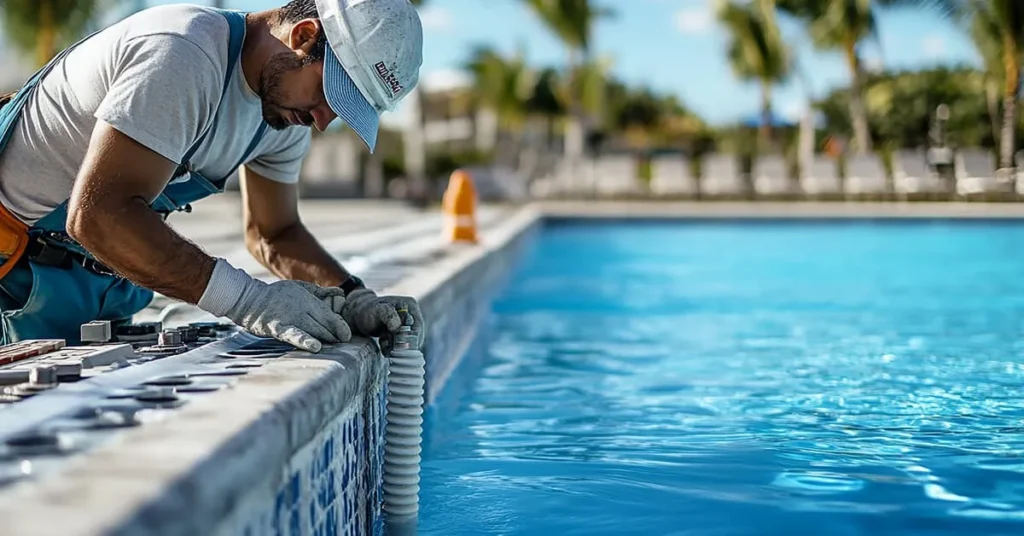
Buying a home with a swimming pool can feel like finding a little vacation spot in your own backyard. Yet a beautiful pool does not always tell you what is happening beneath the surface. A pool inspection checklist residential buyers can use should cover the pool structure, surrounding area, safety features, equipment, drainage, and visible signs of concern. A professional residential pool inspection gives buyers useful information before they commit to a property and can help them understand whether the pool appears properly maintained.
Why a Pool Inspection Matters Before Buying
A swimming pool is a significant part of a property, both financially and practically. It has multiple components that work together, including the basin, circulation system, filtration equipment, electrical components, deck, barriers, and safety features. A careful inspection can identify visible concerns that may not be obvious during a casual backyard visit.
Look Beyond the Surface
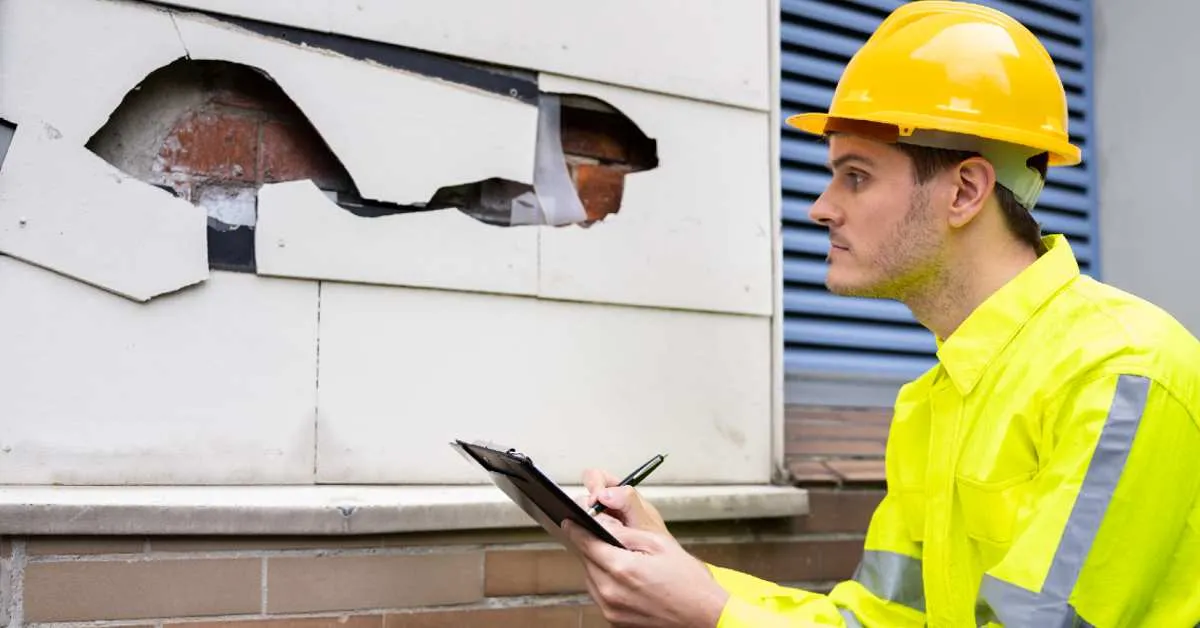
Clear water and a tidy pool area can create a great first impression, but appearance alone does not tell the whole story. Inspectors typically look for visible cracks, damaged surfaces, unusual water levels, loose fittings, deteriorated materials, and signs of moisture around relevant areas.
Understand the Pool’s Condition
A residential pool inspection can also help buyers understand the general condition of accessible components. This information may be useful when budgeting for future upkeep. It can also give a buyer a clearer picture of what ownership may involve after moving in.
What Does a Residential Pool Inspection Include?
The exact scope can vary depending on the property, inspection company, local requirements, and accessibility of equipment. Generally, an inspector evaluates readily accessible and visible components without destructive testing.
Pool Structure and Surrounding Areas
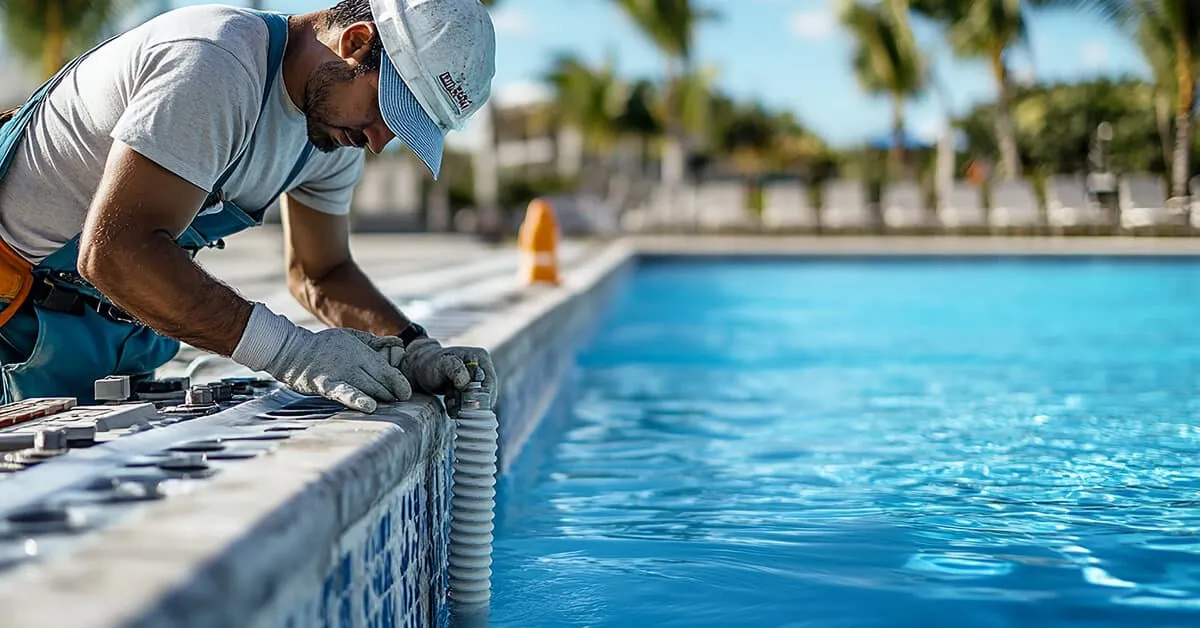
The inspection may include the visible pool shell, coping, tile, deck, steps, ladders, handrails, and other accessible features. The inspector may note cracks, movement, deterioration, staining, or other conditions that deserve further evaluation.
Circulation and Equipment
Pool pumps, filters, heaters, visible plumbing connections, valves, and related equipment may also receive attention. The inspector checks accessible components for obvious operational or physical concerns. Buyers should remember that an inspection is primarily a visual evaluation and does not guarantee future performance.
Pool Safety Features Buyers Should Check
Safety deserves special attention when purchasing a property with a pool. A well maintained pool area should provide appropriate barriers and features that help reduce accidental access, particularly for young children.
Fencing and Access
During a residential pool inspection, an inspector may evaluate visible fencing, gates, latches, and other access controls. Local requirements vary, so buyers should also check applicable municipal rules and building requirements.
Electrical and Drainage Concerns
Accessible electrical components associated with pool equipment may receive a visual review. Proper drainage around the pool area is also important because standing water can contribute to deterioration and create slippery conditions. Any significant concern may warrant assessment by a suitably qualified specialist.
Warning Signs Homebuyers Should Notice
Some pool concerns are easy to miss when buyers are focused on the home’s kitchen, bedrooms, and overall appearance. Taking a few extra minutes around the pool can reveal clues worth discussing with the inspector.
Visible Cracks and Surface Changes
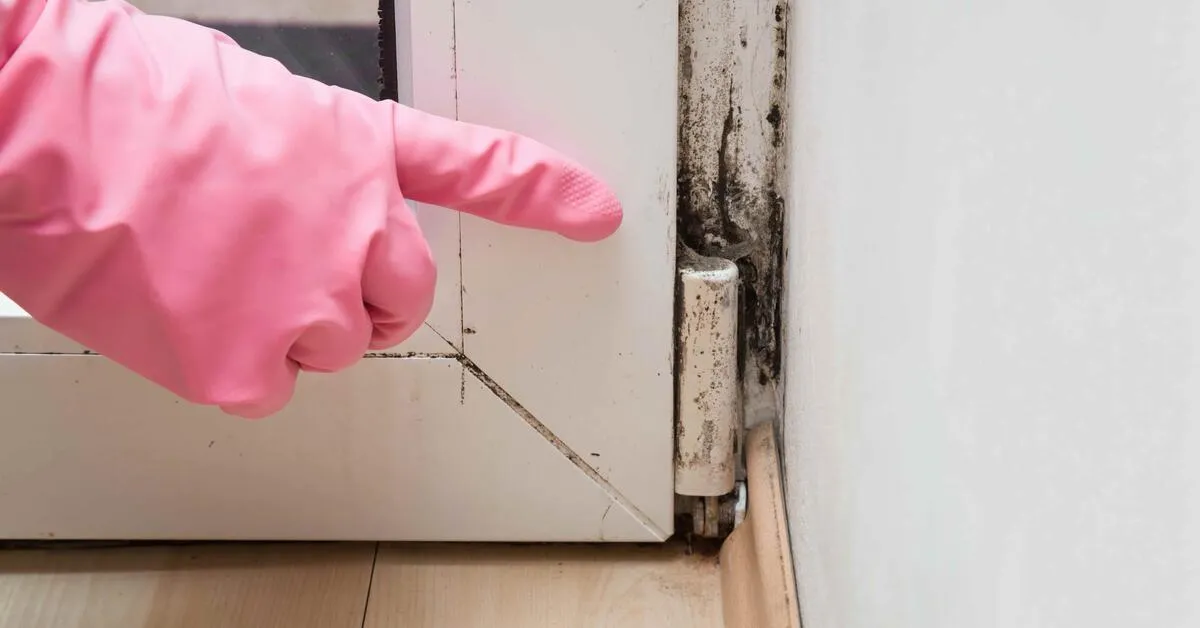
Cracking, displaced materials, damaged coping, unusual staining, or noticeable changes around the pool may deserve attention. Not every crack indicates a serious problem, but documenting visible conditions can help determine whether additional evaluation is appropriate.
Equipment That Looks Neglected
Corrosion, damaged wiring covers, leaking connections, unusual equipment noise, or neglected surroundings can be signs that closer attention is needed. Buyers should avoid assuming that an older component is automatically unsafe or defective. Context matters, and professional assessment can provide a more informed understanding.
Preparing for a Pool Inspection
A little preparation can make an inspection more useful. If possible, buyers should ask the seller or agent whether the pool equipment can be safely accessed and operated during the appointment.
Questions Worth Asking
Consider asking:
- How old is the pool and its major equipment?
- Are maintenance records available?
- Has the pool experienced previous water loss or structural concerns?
- Are safety barriers currently in place?
- Which components were accessible during the inspection?
A residential pool inspection should also be considered alongside the property’s general home inspection. Keeping the findings together makes it easier to understand the condition of the home and its outdoor features.
FAQs About Pool Inspections
What is a residential pool inspection?
A residential pool inspection is a visual assessment of accessible pool components, surrounding features, equipment, and safety elements. Its purpose is to identify observable concerns before a home purchase.
How long does a swimming pool inspection take?
The time varies according to pool size, equipment, accessibility, and inspection scope. A straightforward pool may require less time than a property with extensive equipment and surrounding features.
Is a pool inspection included with a home inspection?
Not always. Some inspection services include basic pool observations, while others offer a separate swimming pool inspection. Buyers should confirm the scope before scheduling.
Should buyers get a pool inspection on an older home?
Age alone does not determine whether an inspection is worthwhile. A professional evaluation can help buyers understand the visible condition of the pool and its accessible equipment before completing the purchase.
What happens after a pool inspection?
The inspection findings can help buyers understand visible concerns and decide whether specialist evaluation or further information is appropriate. Buyers can then discuss relevant findings with their real estate professionals.
Make Your Pool Purchase With Greater Confidence
A pool can add enjoyment and character to a home, but it also brings additional components that deserve careful attention. A thorough residential pool inspection helps buyers look beyond clean water and attractive landscaping by examining accessible structural features, equipment, safety elements, and surrounding conditions. Knowing what is visible today can make it easier to plan for responsible ownership tomorrow.
Before finalizing a purchase, take the time to understand the pool’s condition and ask clear questions about anything that seems unusual. For homeowners who want a professional assessment as part of their buying process, Get Started With Liberty Home Inspections and take the next step toward making a more informed property decision.