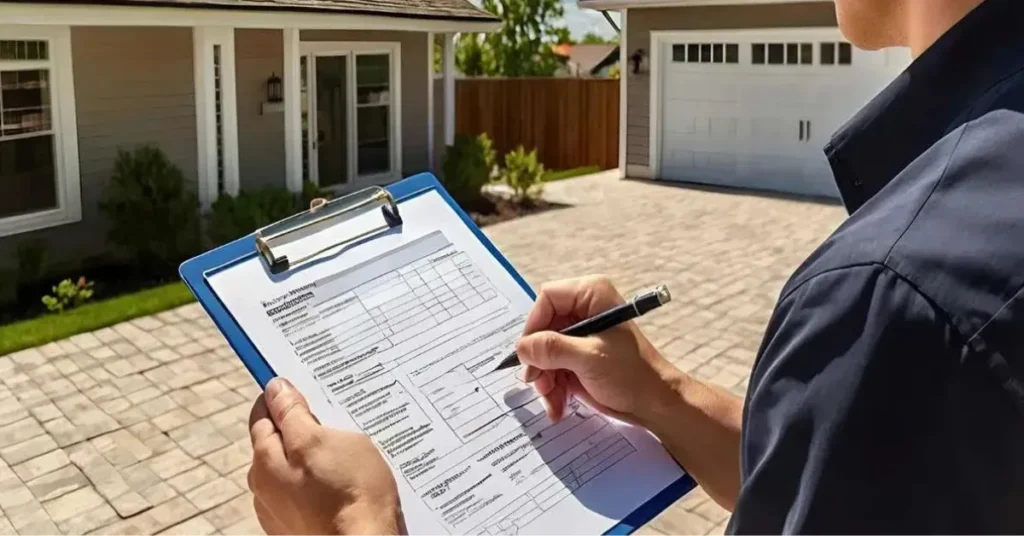
Buying a home is one of the largest financial investments you will ever make, yet walking through an open house rarely reveals the true condition of the property. Fresh paint and staged furniture can easily hide structural settlement, aging roof shingles, or outdated electrical wiring. Skipping a professional residential home inspection often leads to unexpected, costly repairs right after closing. A complete home inspection checklist serves as your ultimate defense, uncovering hidden defects before you finalize the purchase contract. At Liberty Home Inspections, we help homebuyers navigate this process with clear, detailed insights so you can make a confident and informed decision.
The Exterior and Grounds
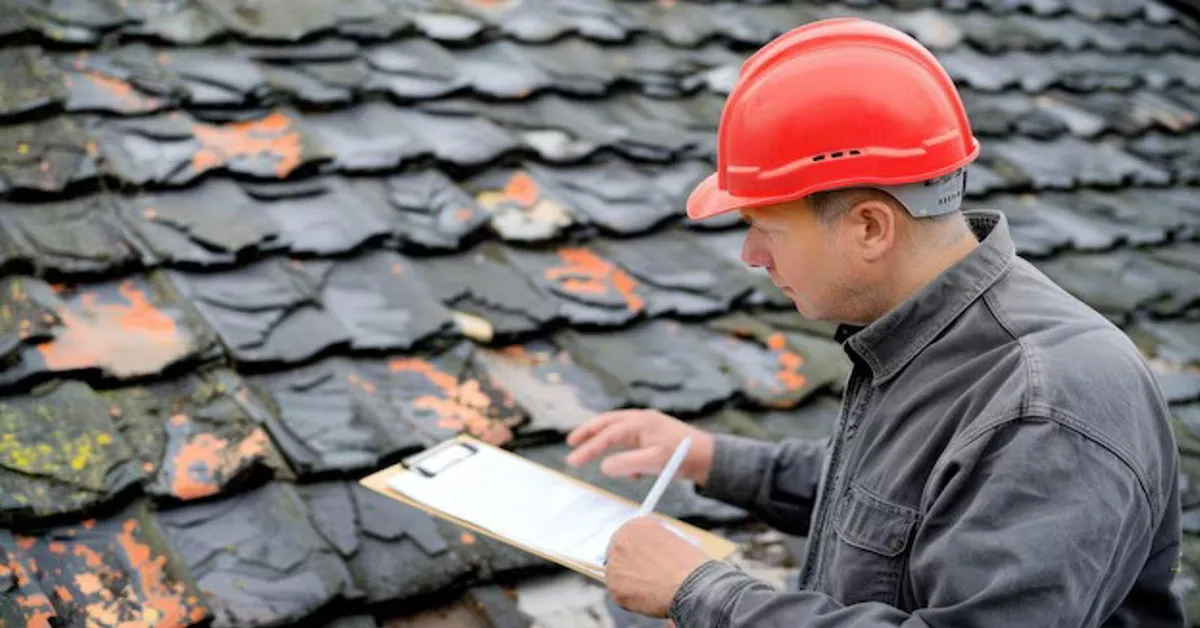
The exterior assessment focuses on elements that protect the structure from water intrusion and environmental weathering. A thorough examination covers the roof covering, flashings, skylights, gutters, and downspouts. Inspectors check for missing shingles, improper sealing, and poor drainage that could force water toward the foundation. The grading around the home must slope away from the structure to prevent basement flooding or soil erosion. Additional exterior components evaluated include walkways, driveways, decks, patios, retaining walls, and siding material. Identifying loose siding, rotting fascia boards, or cracked masonry early saves thousands in future repair costs.
Structural Components and Foundation
A solid structure ensures the long-term stability and safety of your prospective home. The inspector looks closely at visible foundation walls, floor structures, wall framing, and roof framing systems. While inspectors cannot see through drywall, they check for telling signs of structural movement such as diagonal cracks above door frames, sloping floors, sticking doors, or bowing basement walls. In the attic, proper framing, adequate ventilation, and correct insulation levels are verified to ensure energy efficiency and prevent moisture accumulation.
Electrical Systems
Electrical hazards represent a major fire risk in residential properties. The inspection covers the main service panel, subpanels, service entrance cables, breakers, fuses, and grounding systems. Inspectors test a representative number of switches, light fixtures, and wall outlets. They verify that Ground Fault Circuit Interrupter (GFCI) outlets are installed near water sources like kitchens, bathrooms, and outdoor spaces. Outdated knob-and-tube wiring, aluminum branch wiring, or overloaded electrical panels are flagged as safety items that require immediate attention from a licensed electrician.
Heating, Ventilation, and Air Conditioning (HVAC)
A functioning HVAC system keeps your living environment comfortable throughout every season. The evaluator inspects the furnace, heat pump, boiler, and central air conditioning units to determine their age, operational condition, and maintenance history. Ductwork is checked for visible leaks, proper airflow, and adequate insulation. Thermostats are tested to verify accurate communication with heating and cooling units. Knowing the remaining lifespan of an aging furnace allows buyers to negotiate seller credits or budget for a future replacement.
Plumbing Systems
Plumbing issues can range from minor dripping faucets to severe hidden pipe leaks that cause subfloor damage. The home inspection checklist covers interior water supply lines, drain lines, waste pipes, vent systems, fuel storage equipment, and water heaters. Water pressure and functional flow are tested by running multiple fixtures simultaneously. Inspectors check under sinks for active leaks, inspect toilet mountings for stability, and evaluate the physical condition of the water heater, including its pressure relief valve and discharge pipe.
Interior Rooms and Appliances
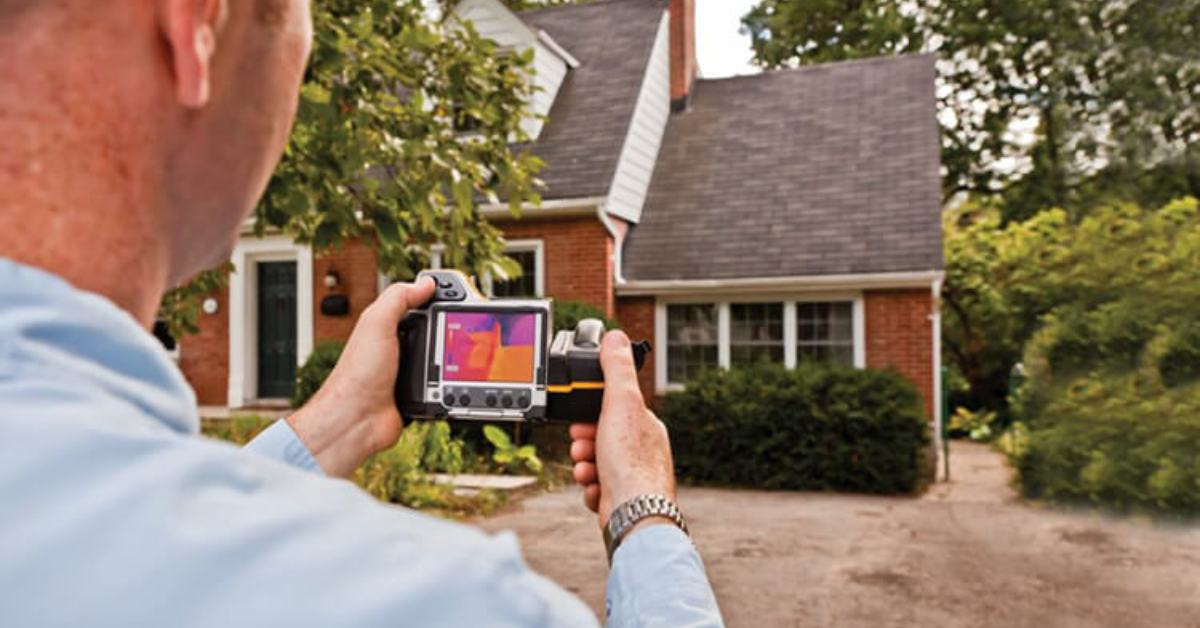
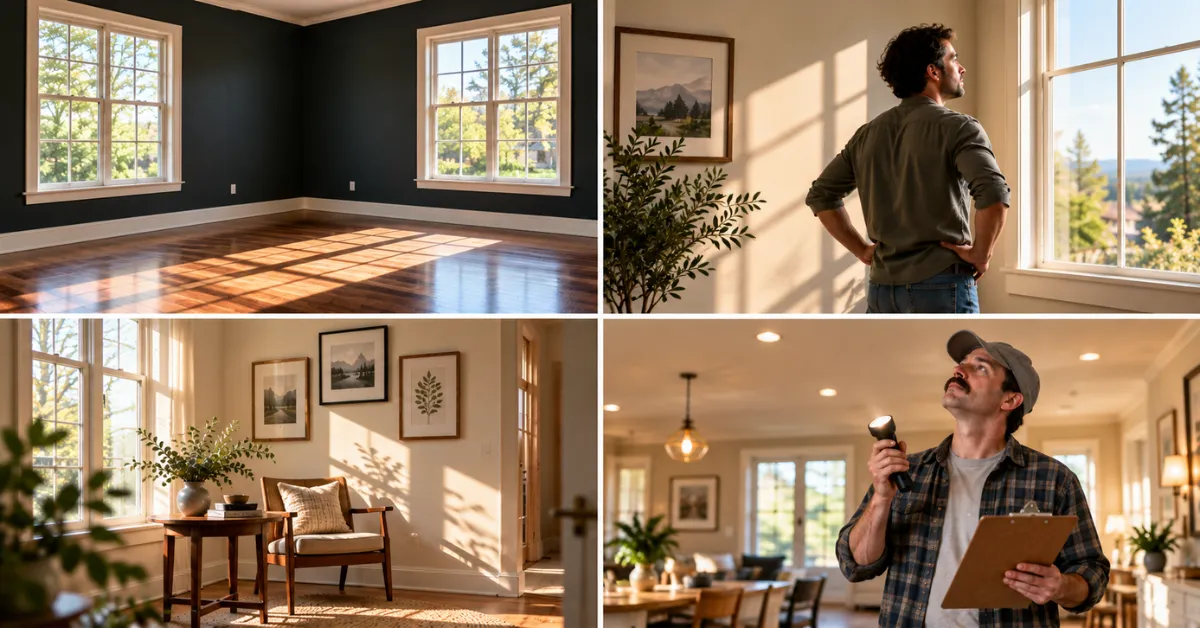
Inside the home, the inspection covers walls, ceilings, floors, windows, doors, stairways, and railings. The inspector looks for water stains, thermal leaks, cracked plaster, and broken window seals. Major built-in kitchen appliances like ranges, ovens, dishwashers, garbage disposals, and built-in microwaves are tested for basic operation. Fireplaces and chimneys are also examined to verify proper dampening and chimney clearance.
Frequently Asked Questions
How long does a standard home inspection take?
A typical evaluation takes between 2 to 4 hours depending on the size, age, and overall condition of the property. Larger homes or older properties with complex mechanical systems may require additional time.
Should I attend the home inspection in person?
Attending the evaluation is highly recommended. It allows you to walk through the property alongside the specialist, ask direct questions, and visually understand any defects noted in the final report.
Does a home inspection cover code compliance?
No. An evaluation focuses on the safety, function, and general condition of existing systems rather than municipal code enforcement. Code requirements change regularly, and inspectors evaluate real-world performance instead of municipal regulations.
What happens if the inspection report reveals major problems?
Discovering major issues does not mean you must walk away from the deal. You can use the findings to negotiate repair requests, request financial credits from the seller, or adjust your purchase price accordingly.
Are home inspections and appraisals the same thing?
No. An appraisal determines the fair market value of a property for a mortgage lender. An inspection evaluates the physical condition and safety of the home for the buyer.
Secure Your Investment with a Professional Home Inspection
Whether you are buying your first house or investing in real estate, having a complete condition report gives you vital leverage during price negotiations. Discovering potential issues early allows you to request necessary repairs or price adjustments before closing. Reach out to Liberty Home Inspections today to schedule your full property evaluation.