Buying a home is an exciting step, but it also comes with important decisions. Before signing the final paperwork, you want to understand the property’s condition and know what to expect after moving in. Preparing for a home inspection gives you an opportunity to learn about the house, observe potential concerns, and ask questions directly. Many buyers wonder whether they should attend the inspection or simply wait for the written report. Being present can help you understand the inspector’s observations and become more familiar with the home’s major systems. Reviewing Home Inspection Tips for Buyers Buckholts TX can also help you feel more confident about what to look for during the visit. With a little preparation, you can make the inspection a valuable part of your home buying experience.
Should You Attend Your Home Inspection?
Attending a home inspection is generally a good idea because it gives you a chance to see the property through a more informed perspective. Photographs and written notes are useful, but they may not fully explain why an inspector is concerned about a particular area. When you are present, you can ask questions and listen to explanations while viewing the actual conditions.
Understand the Property Beyond the Listing
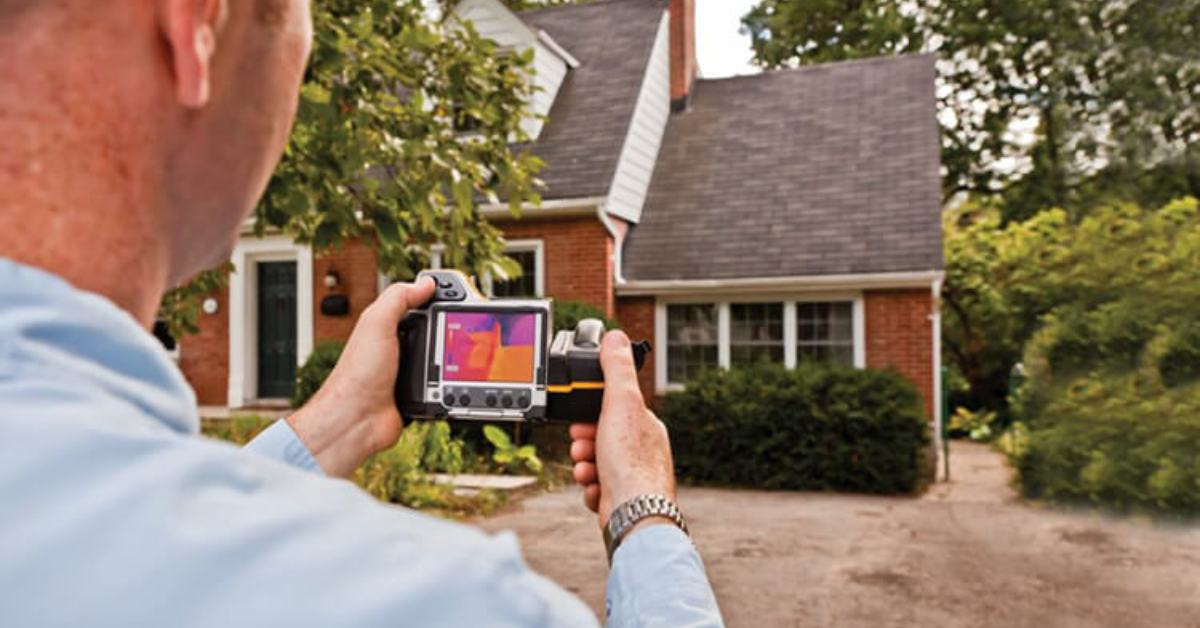
A real estate listing highlights attractive features, but an inspection focuses on the home’s visible condition and major components. You may learn about the roof, foundation, plumbing, electrical systems, heating, and cooling equipment. This information helps you understand what owning the property could involve.
For example, a buyer might notice a small ceiling stain and assume it is simply an old mark. The inspector may explain what visible evidence suggests and whether further evaluation is appropriate. That conversation helps you understand the situation without jumping to conclusions.
Make Better Informed Decisions
Preparing for a home inspection means thinking about the questions that matter most to you. Attending can help you distinguish routine maintenance recommendations from concerns that deserve additional attention. You can also learn which systems need regular care and which areas may require evaluation by a qualified professional. Although attendance is helpful, the inspector should remain focused on examining the property thoroughly.
How to Prepare Before the Inspection
A little preparation can make the appointment more productive. Buyers often arrive with many questions, especially when purchasing their first home. Writing down your priorities beforehand helps you stay organized without interrupting the inspector’s work.
Review the Property Information
Before the appointment, review the seller’s disclosures, listing details, and any available records about the home’s age and major systems. Note questions about the roof’s age, heating and cooling equipment, plumbing, electrical components, and previous water concerns. You do not need to become an expert. Your goal is to identify anything you want the inspector to explain.
Create a List of Important Questions
Preparing for a home inspection becomes easier when you have a short checklist. Consider asking:
- Which areas of the home need the closest attention?
- Are there signs of moisture or water intrusion?
- What is the apparent condition of the roof and foundation?
- Are the visible electrical and plumbing components functioning as expected?
- Which maintenance tasks should the new owner prioritize?
- Does anything require evaluation by a specialist?
Keep your questions accessible on your phone or in a notebook. You can add notes as the inspection progresses.
Confirm the Appointment Details
Ask the inspector how long the visit is expected to take and whether you should arrive at the beginning or near the end. Confirm who is permitted to attend, since the seller or real estate agent may have specific arrangements. Wear comfortable clothing and suitable shoes if you expect to walk around the property. Leave enough time to listen carefully rather than rushing through the visit.
Questions Buyers Should Ask During the Inspection
An inspection is a learning opportunity, not a test of your knowledge. You do not need to understand every technical term. Ask for plain language explanations whenever something seems unclear.
Questions About the Roof and Foundation
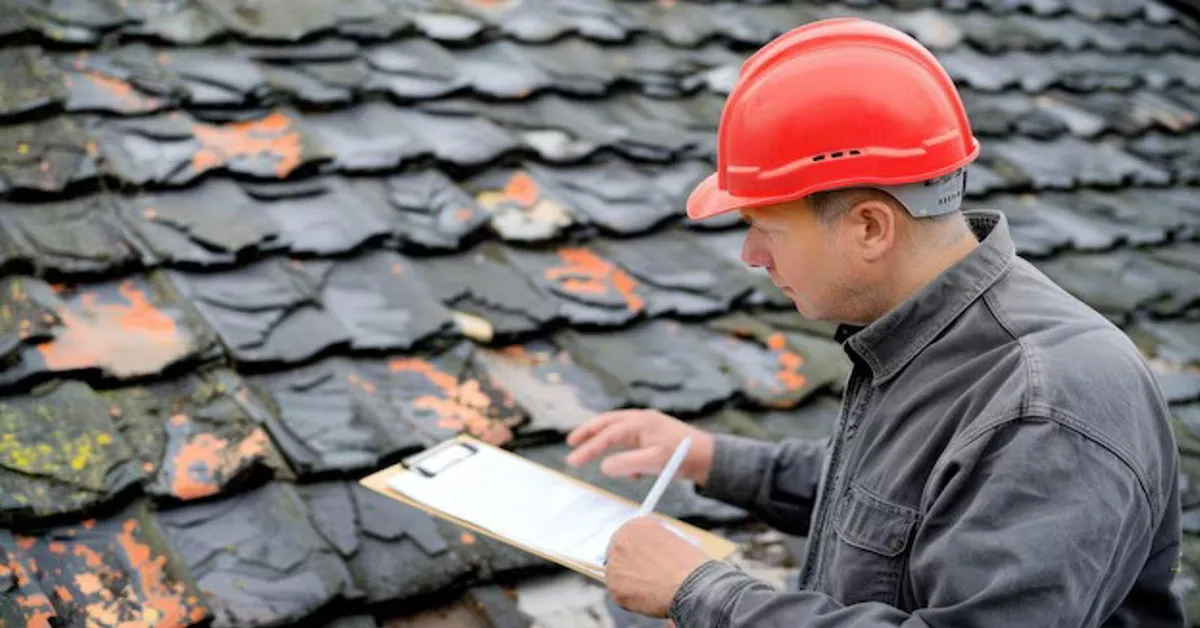
Start by asking about the visible condition of the roof, exterior walls, foundation, and drainage around the home. These components help protect the structure from weather and moisture. You can ask whether the inspector observed damaged materials, unusual movement, or signs that water may be entering the building.
If a concern appears significant, ask what additional evaluation may be appropriate. Avoid assuming that every crack or stain indicates a major problem. The inspector can explain what was observed and whether the available evidence supports a recommendation for further assessment.
Questions About Plumbing and Electrical Systems
Ask whether the accessible plumbing fixtures operated as expected and whether the inspector noticed visible leaks, drainage concerns, or unusual water pressure. For electrical systems, ask about visible safety concerns, the electrical panel, outlets, and other accessible components.
Preparing for a home inspection also means understanding its limits. Inspectors generally cannot see inside concealed pipes or walls without appropriate access. If a system could not be fully evaluated, ask what that limitation means and whether a qualified specialist should examine it.
Questions About Heating, Cooling, and Ventilation
Heating and cooling equipment can affect comfort and household expenses. Ask whether the systems responded to normal controls and whether visible components appeared to function as expected under the conditions of the inspection. You can also ask about filter replacement, routine servicing, and ventilation.
Keep in mind that an inspection does not guarantee that equipment will operate without problems in the future. Ask which observations deserve attention now and which relate to ordinary upkeep. Clear explanations can help you plan ahead without worrying unnecessarily about every minor finding.
What to Look for While the Inspector Works
Your role during the visit is to observe, listen, and ask relevant questions. You do not need to conduct a second inspection yourself. Following the inspector’s explanations will help you understand how different parts of the house work together.
Pay Attention to Water and Moisture
Look at the inspector’s observations around ceilings, windows, bathrooms, kitchens, basements, and other accessible areas where moisture may appear. Ask about visible discoloration, unusual odors, damp materials, or staining. These signs can have different causes, so let the inspector explain what can reasonably be determined from the available evidence.
Preparing for a home inspection also involves learning how water moves around the exterior. Ask whether gutters, downspouts, and visible grading appear to direct water away from the structure. Proper drainage and regular observation can help you recognize concerns early after moving in.
Learn About Routine Home Maintenance
Ask which simple maintenance tasks should become part of your regular schedule. These may include replacing air filters, testing smoke alarms, keeping gutters clear, checking caulking around accessible openings, and monitoring visible plumbing connections.
A good inspection experience can teach you how to care for your home, not just identify current concerns. Take notes about recommended schedules and ask which tasks you can safely handle yourself. For specialized systems or potentially hazardous conditions, follow the inspector’s advice about contacting a qualified professional.
Respect Safety and Access Limits
Never climb onto the roof, enter unsafe spaces, or operate equipment without permission. Inspectors follow their own procedures and may avoid areas that are inaccessible or hazardous. If you want to see a particular location, ask whether it can be viewed safely.
Remember that the inspection is primarily a visual assessment of accessible areas. Understanding those limits helps you interpret the findings fairly and recognize when additional information may be needed.
What Happens After the Home Inspection?
Once the appointment ends, take time to review the inspection report and connect its findings with the questions you asked. The report should help you understand observed conditions, areas that could not be fully examined, and recommendations for further evaluation where appropriate.
Review the Findings Carefully
Preparing for a home inspection does not end when you leave the property. Read the report from beginning to end, including photographs, descriptions, and any recommendations. If something is unclear, contact the inspector and ask for clarification.
Separate immediate safety concerns from routine maintenance suggestions and observations that require more information. This approach helps you focus on the most important findings instead of treating every item as equally serious.
Discuss Your Options With Your Real Estate Agent
If the report identifies significant concerns, discuss your options with your real estate agent before making decisions. Depending on your purchase agreement and local requirements, you may be able to request additional evaluations, discuss terms with the seller, or reconsider the purchase.
Your inspection report provides information to support your decision, but it does not automatically determine whether you should buy the home. Consider your budget, comfort level, and the advice of relevant professionals before deciding how to proceed.
Frequently Asked Questions
1. Should buyers attend a home inspection?
Yes, attending is generally helpful because buyers can ask questions, observe visible conditions, and understand the inspector’s findings. If you cannot attend, ask whether the inspector can discuss the results with you afterward.
2. How long does a home inspection usually take?
Many standard home inspections take around two to four hours, depending on the property’s size, age, condition, and accessibility. Ask your inspector for an estimate based on the specific home.
3. What should I bring to a home inspection?
Bring a notebook or phone for notes, a list of questions, and any relevant property documents. Comfortable clothing and suitable footwear can also make it easier to follow the inspection safely.
4. Can I ask questions during the inspection?
Yes. Ask questions at appropriate moments and allow the inspector enough time to complete each task. If a technical explanation is confusing, request a simpler explanation or ask for clarification when the inspection is finished.
5. Does a home inspection guarantee that a house has no problems?
No. A home inspection evaluates visible and accessible conditions at a particular time. Hidden defects and future issues may not be identified. Additional specialist evaluations may be recommended when concerns fall outside the inspection’s scope.
Conclusion
Attending an inspection can help you approach homeownership with greater confidence. By preparing questions, observing the inspector’s findings, and reviewing the final report, you can better understand the property’s condition and plan for future responsibilities. Preparing for a home inspection also helps you recognize the difference between routine upkeep and concerns that deserve further professional evaluation. Take your time, ask questions, and avoid making decisions based on assumptions alone. If you are buying a home in Buckholts, TX, and want to understand its condition before moving forward, Get in Touch with Liberty Home Inspections to arrange an inspection and take a more informed step toward your new home.