Buying a home is a major decision, and a property that looks perfect during a quick walkthrough can still have expensive problems hiding behind walls, under floors, or above ceilings. This is why understanding home inspection red flags is important before you commit to a purchase. An inspection can uncover issues that may affect your budget, safety, comfort, and future maintenance needs.
A home inspection gives buyers a clearer picture of the property’s current condition. At Liberty Home Inspections, the goal is to help homeowners understand what they are buying and what problems may need attention. Knowing what home inspectors look for can also help you ask better questions and make informed decisions before closing.
Foundation Cracks and Structural Problems
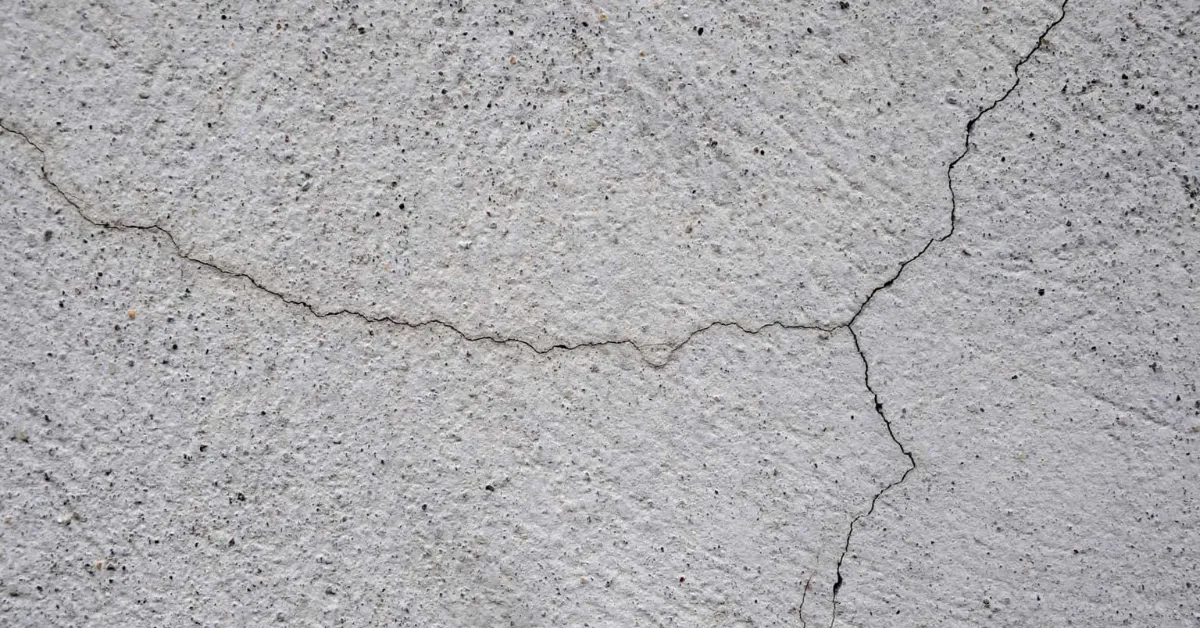
Foundation problems are among the most important common home inspection problems because they can affect the stability and long term condition of a house. Inspectors may look for visible cracks, uneven floors, doors that do not close properly, gaps around windows, and other signs that could point to movement or structural concerns. Not every crack means a house has a serious foundation defect, but certain patterns deserve closer attention.
If foundation concerns are found, buyers should not simply ignore them because the house otherwise looks good. Ask about the location, size, and appearance of the cracks and whether further evaluation is recommended. Understanding the issue early can help prevent unexpected repair costs and give you useful information during purchase negotiations.
Roof Damage and Leaks
The roof protects the entire home from rain, wind, and moisture, making roof condition an important part of an inspection. Damaged shingles, missing materials, deteriorated flashing, sagging areas, and signs of previous leaks can all indicate potential problems. Water stains on ceilings or walls may also suggest that moisture has entered the home.
A roof problem does not always mean the entire roof needs replacement. The severity can depend on the age of the roof, the extent of damage, and whether active leaks are present. If an inspection identifies roof concerns, buyers should understand the likely maintenance or repair needs before making a final decision.
Electrical Safety Issues
Electrical problems are another major category among problems found during home inspection. Inspectors may identify outdated wiring, improperly installed outlets, missing covers, overloaded electrical components, or other conditions that could create safety concerns. These issues may not be obvious to someone viewing the property for the first time.
Electrical concerns should be taken seriously because correcting them may require qualified electrical work. Instead of assuming that a small electrical issue is harmless, buyers should understand what was observed and whether additional evaluation is needed. Addressing these concerns early can help reduce safety risks and unexpected expenses after moving in.
Plumbing Leaks and Water Damage
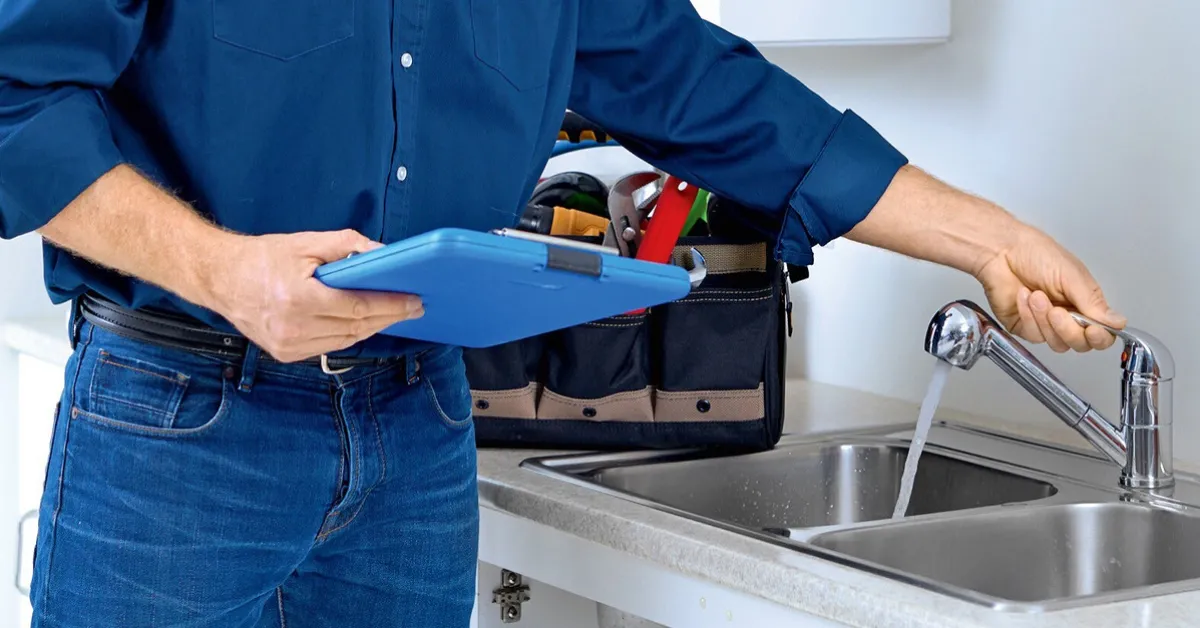
Plumbing leaks can begin as small problems and eventually cause significant damage if they remain unnoticed. During an inspection, areas around sinks, toilets, water heaters, pipes, and visible plumbing connections may reveal signs of leakage or moisture. Stains, soft materials, unusual odors, and damaged cabinets can also provide clues that water has been present.
Water damage deserves attention because it can affect more than the plumbing itself. Continued moisture may damage flooring, drywall, wood, insulation, and other materials. If plumbing concerns appear in the inspection report, buyers should determine whether the problem is an active leak, an old repair, or evidence of a larger moisture issue.
Moisture, Mold, and Poor Ventilation
Excess moisture is one of the home inspection issues that can affect several areas of a property at once. Inspectors may notice staining, condensation, damaged materials, musty odors, or visible signs of moisture in areas such as bathrooms, basements, crawl spaces, and around windows. Poor ventilation can contribute to moisture buildup and create ongoing maintenance concerns.
When moisture is discovered, the source needs to be understood rather than simply covering the visible damage. A bathroom with poor ventilation, for example, may continue to develop moisture problems even after damaged materials are replaced. Buyers should ask what may be causing the moisture and whether additional testing or evaluation is appropriate.
HVAC System Problems
Heating and cooling systems can be expensive to replace, so their condition matters when evaluating a home. Inspectors may check visible components, operation, general condition, and signs of maintenance concerns. Unusual noises, poor airflow, inconsistent temperatures, damaged components, or an aging system can indicate that future service may be needed.
An older HVAC system does not automatically mean the house is a bad purchase. However, buyers should understand its age and condition and consider potential maintenance or replacement costs. Knowing this before closing gives you an opportunity to budget for future expenses instead of being surprised by a system failure after moving in.
Poor Drainage Around the Property
Water should generally move away from the home’s foundation instead of collecting beside it. Poor grading, clogged gutters, short downspouts, and standing water can contribute to moisture entering the foundation or basement. These conditions are easy to overlook when viewing a property during dry weather.
Drainage problems can become more noticeable during heavy rain. If water repeatedly collects near the house, it may contribute to erosion, foundation concerns, basement moisture, or landscape damage. Buyers should pay attention to how water is directed around the property and address drainage concerns before they become more expensive problems.
Damaged Windows and Doors
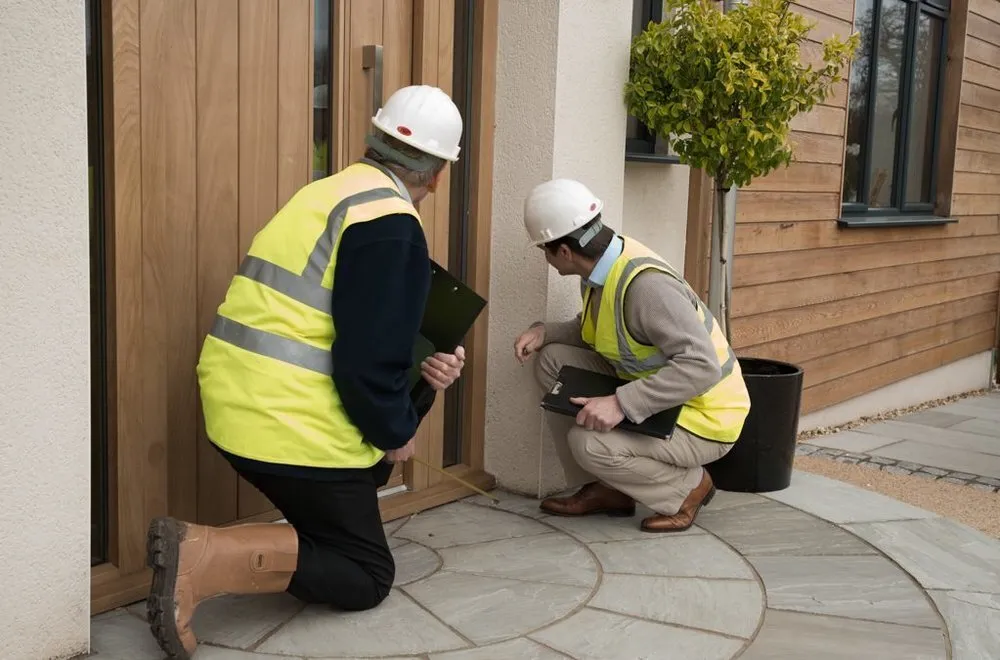
Windows and exterior doors do more than provide access and natural light. They can affect energy efficiency, security, moisture control, and indoor comfort. Broken seals, damaged frames, difficult operation, gaps, and signs of water intrusion are examples of concerns that may appear during an inspection.
One damaged window may be a relatively simple repair, while problems throughout the house could become a larger expense. Buyers should consider the number and condition of affected windows and doors when reviewing the inspection report. Identifying these issues before purchase can help with budgeting and future maintenance planning.
Unsafe Stairs, Railings, and Other Hazards
Some common problems found in homes are related directly to safety. Loose railings, damaged steps, missing handrails, inadequate guards, and other hazards can create unnecessary risks for residents and visitors. These conditions may be especially important in homes with children, older adults, or people with mobility concerns.
Safety issues should be addressed based on their severity and location. Even a seemingly minor hazard can lead to an accident if it is left unresolved. A detailed inspection can help buyers identify these concerns and prioritize repairs once they understand the property’s overall condition.
Attic, Crawl Space, and Insulation Problems
Attics and crawl spaces are easy to forget during a home walkthrough, but they can reveal some of the most useful information about a property’s condition. Inspectors may look for moisture, damaged insulation, ventilation concerns, pest evidence, wood deterioration, and other visible conditions. Problems in these areas can sometimes affect the rest of the house.
If the inspection reveals attic or crawl space concerns, buyers should determine whether the problem is isolated or connected to another issue. For example, moisture in an attic may be related to ventilation or a roof concern. Understanding the possible cause helps you prioritize the right solution instead of treating only the visible symptom.
What Should You Do After Finding Red Flags?
Finding home inspection red flags does not automatically mean you should walk away from a property. The next step is to understand the seriousness of each finding. Some issues may require immediate attention, while others may simply become part of normal home maintenance. Review the inspection report carefully and focus first on safety, structural, water, and major system concerns.
Buyers should also ask questions when an inspection finding is unclear. If a condition appears significant, additional evaluation by an appropriate specialist may be recommended. Liberty Home Inspections can help buyers understand the observed conditions so they have better information when deciding how to proceed with the property.
How a Home Inspection Checklist Helps Buyers
A home inspection checklist helps organize the inspection process by covering important areas such as the foundation, roof, electrical system, plumbing, HVAC, interior spaces, exterior components, attic, and other accessible areas. Having a structured inspection makes it easier to identify conditions that might otherwise be missed during a casual walkthrough.
A checklist is useful, but it should not replace an actual inspection. Every home has different construction methods, ages, materials, and maintenance histories. The purpose of an inspection is to provide useful observations about the property’s visible and accessible condition so buyers can make decisions based on more than appearance.
Why Understanding Inspection Findings Matters
The biggest benefit of learning about home inspection red flags is knowing which findings deserve attention. A buyer who understands common inspection concerns can better recognize the difference between routine maintenance and issues that may require significant repairs. This can make the home buying process less stressful and more informed.
A home inspection is not about expecting a property to be perfect. Every house can have maintenance needs, especially older properties. The important thing is understanding those conditions before you take ownership. Liberty Home Inspections provides residential inspection services to help buyers get a clearer view of the property before making an important financial commitment.
Frequently Asked Questions
What are the biggest red flags found during a home inspection?
Major foundation concerns, active water intrusion, serious roof problems, unsafe electrical conditions, significant plumbing leaks, and structural concerns can be important red flags. The severity depends on the condition and circumstances of each property.
What should I do if my home inspection finds major problems?
Start by reviewing the inspection report and understanding each concern. You may want to discuss repair options, request further evaluation, or negotiate based on the findings before completing the purchase.
Can a home inspection find hidden problems?
An inspection can identify many visible and accessible conditions that may not be obvious during a normal home showing. Some concealed conditions may require additional testing or evaluation because they cannot be seen without opening walls or other materials.
Should I avoid buying a house with inspection problems?
Not necessarily. Most homes have some maintenance needs or defects. The important question is whether the problems are manageable, how much they may cost to address, and whether they affect safety or the property’s overall condition.
When should I schedule a home inspection?
A home inspection is commonly scheduled after an offer is accepted and before closing, subject to the terms of the purchase agreement. Buyers should schedule early enough to review the findings and make decisions within their inspection period.
Schedule Your Home Inspection
If you are buying a home and want to understand its condition before making your final decision, Liberty Home Inspections can help you identify potential concerns and better understand the property’s visible and accessible components. Book a Home Inspection with Liberty Home Inspections or call (254) 624-3669 to discuss your residential inspection needs.