Hidden mold can develop behind walls, beneath flooring, around plumbing, or near roofing components without leaving obvious visual signs. By the time staining or a musty odor appears, moisture may have already affected building materials.
Mold thermal imaging inspection services use infrared technology to identify unusual temperature patterns that may point to hidden moisture conditions. Thermal imaging does not directly “see” mold, but it can help an inspector locate areas that deserve closer investigation.
For homeowners in Lott, TX, this approach can add another layer of information when a property has experienced leaks, humidity problems, flooding, or unexplained moisture.
Why Can Thermal Imaging Reveal Moisture Linked to Mold?
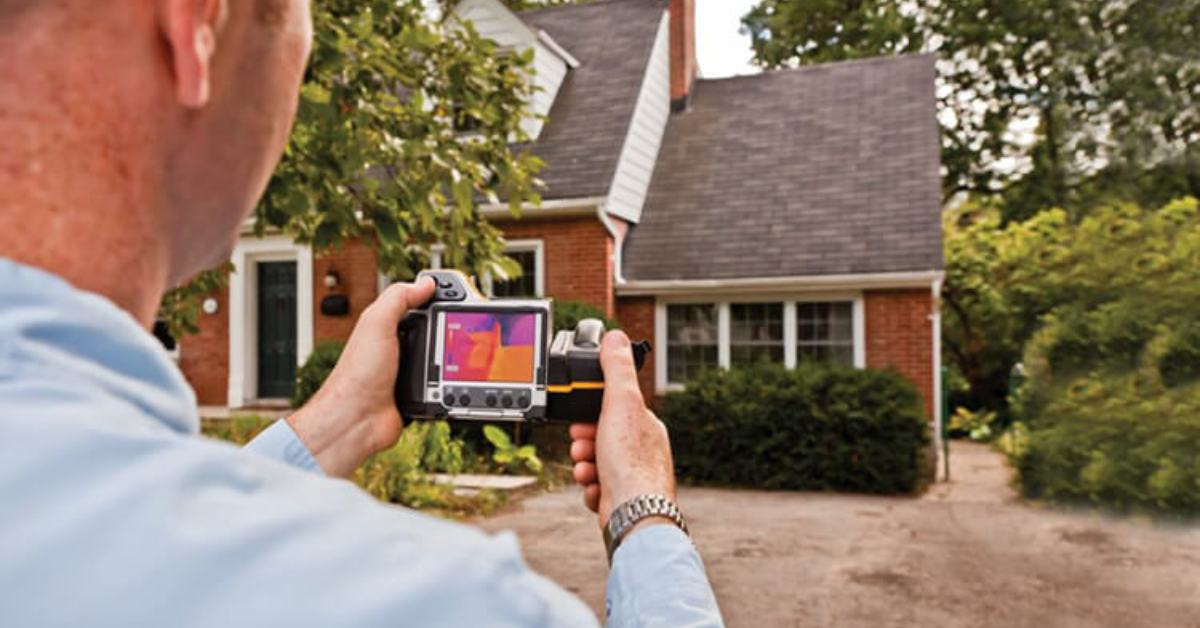
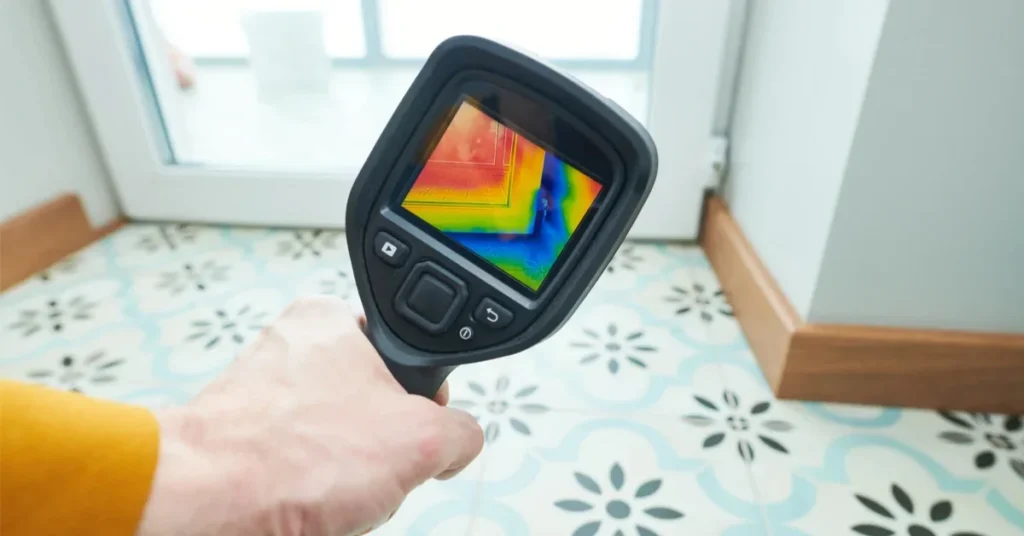
Thermal cameras measure surface temperature differences and turn them into visible thermal patterns. When moisture changes the temperature behavior of a wall, ceiling, floor, or other surface, an inspector may notice an unusual area that would not be obvious during a visual inspection.
This makes thermal imaging mold inspection useful as a non-invasive screening method. It can help narrow down where further testing or physical inspection may be appropriate without immediately opening walls or removing finishes.
A thermal scan may help identify:
- Potential moisture behind walls
- Areas affected by plumbing leaks
- Roof or ceiling moisture patterns
- Wet insulation
- Unusual temperature differences around HVAC components
- Areas that need additional moisture-meter testing
The key point is that infrared imaging identifies temperature patterns, not mold itself. A qualified inspector should interpret those patterns and use other inspection methods to determine what may be causing the anomaly.
How Does Infrared Mold Detection Find Hidden Problem Areas?
Infrared mold detection works by locating temperature differences that could be associated with moisture or other building conditions. The camera captures these differences without requiring destructive access to the building materials.
For example, a wall may look completely normal while a section behind it has experienced moisture intrusion. If that moisture produces a detectable thermal difference, the area may stand out during an infrared scan.
For homeowners dealing with possible hidden moisture, combining thermal imaging with a broader inspection can provide better context. Other inspection providers also describe thermal imaging as a way to identify potential moisture, insulation, air-leakage, and electrical anomalies that may not be visible to the naked eye.
If you are also wondering whether an inspection can be arranged outside normal weekday scheduling, see whether home inspectors work on weekends for additional guidance.
What Areas Should a Thermal Camera Mold Inspection Examine?
A thermal camera mold inspection should focus on areas where moisture is reasonably likely to collect or where previous water problems have occurred. The exact inspection path depends on the property’s condition and accessible areas.
Walls, Ceilings, and Floors
These surfaces can hide moisture from leaking pipes, roofs, bathrooms, or exterior water intrusion. Thermal patterns may identify areas requiring closer examination.
Plumbing and HVAC Areas
Around plumbing fixtures, supply lines, drains, and HVAC components, moisture can sometimes develop without immediately creating visible damage. Thermal imaging can help identify suspicious temperature differences.
Attics and Exterior Building Areas
Roof leaks and insulation problems can create unusual thermal patterns. Inspecting these areas can help determine whether further investigation is warranted.
A professional should never treat one unusual thermal image as proof of mold. Instead, the image should be considered one piece of evidence within the inspection process.
What Does a Hidden Mold Inspection Process Look Like?
A reliable hidden mold inspection should follow a logical process rather than simply pointing a thermal camera around the property.
A typical evaluation may include:
- Discussing the concern: The inspector learns about visible stains, odors, previous leaks, flooding, or other moisture concerns.
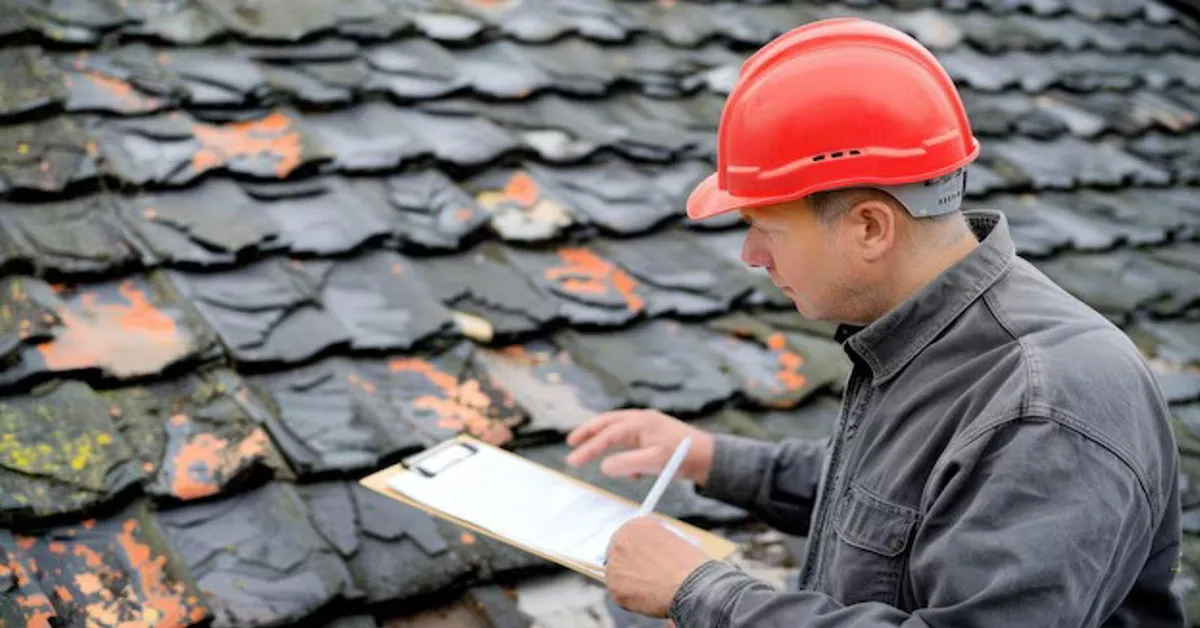
- Visual inspection: Accessible surfaces are examined for staining, deterioration, condensation, or other signs of moisture.
- Thermal scanning: Infrared equipment is used to look for meaningful temperature variations.
- Closer evaluation: Suspicious areas may be checked with appropriate supporting inspection tools.
- Documentation: Relevant findings are recorded so the property owner understands which locations need attention.
- Next-step guidance: The findings can help determine whether additional moisture assessment, mold testing, repair, or specialist evaluation is appropriate.
This layered approach matters because thermal imaging is most useful when its findings are interpreted in context. Some inspection companies specifically note that thermal anomalies should be physically confirmed rather than automatically treated as proof of a defect.
When Should Lott, TX Homeowners Consider Thermal Imaging?
Thermal imaging can be particularly useful when there is a reason to suspect a hidden moisture problem.
Consider an inspection when you notice:
- A persistent musty smell
- Repeated water stains
- A previous plumbing or roof leak
- Recent flooding or water intrusion
- Peeling paint or damaged drywall
- Unexplained dampness
- Rooms that show unusual moisture concerns
- A history of repairs in areas that remain suspicious
Lott-area homeowners may also want additional inspection information when buying, selling, or maintaining an older property. The goal is not to assume mold exists, but to identify conditions that could support mold growth before the problem becomes more difficult to address.
What Are the Limits of Thermal Mold Inspection?
Understanding the limits of infrared technology is just as important as understanding its benefits.
A thermal camera does not see through walls and does not directly identify mold spores. Instead, it detects surface temperature differences. A normal thermal image therefore does not guarantee that a wall is completely free from moisture or mold.
Temperature conditions can also affect how useful a scan is. Furniture, insulation, airflow, sunlight, HVAC operation, and other factors can influence surface temperatures.
That is why thermal imaging should complement not replace appropriate visual inspection and other diagnostic methods. Industry inspection resources similarly describe thermal imaging as a tool for identifying areas that warrant additional investigation rather than as a standalone diagnosis.
How Can Thermal Imaging Help Prevent Bigger Mold Problems?
Early identification of moisture can help homeowners act before damage spreads. If an infrared scan highlights an abnormal area, investigating the underlying cause may reveal a leaking pipe, roof issue, condensation problem, or another source of moisture.
Fixing that source is important because mold-related concerns often begin with an environmental condition that allows moisture to remain present.
The benefit of mold thermal imaging inspection services is therefore not simply finding a colorful image on a camera. The real value is using thermal information to guide a more focused inspection and help identify potential moisture problems before they become more visible.
Schedule a Thermal Imaging Inspection to investigate suspicious temperature patterns and hidden moisture concerns.
For homeowners who need a local inspection option, Liberty Home Inspections serves Lott, TX. The business address provided for contact purposes is 307 County Rd 483 Lott, TX 76656. For inspection inquiries, call (254) 624-3669 to discuss your property and determine the appropriate next step.
With Liberty Home Inspections, homeowners can approach suspected hidden moisture with a clearer understanding of what thermal imaging can and cannot show. Mold thermal imaging inspection services can be a valuable part of that investigation when used alongside proper inspection methods.
Frequently Asked Questions
Can thermal imaging detect mold directly?
No. Thermal imaging detects surface temperature differences rather than mold itself. An unusual thermal pattern may indicate moisture or another condition that could contribute to mold growth. Further investigation is needed to determine the actual cause and whether mold is present.
How much do mold thermal imaging inspection services cost?
Pricing varies based on the property, inspection scope, size, and whether additional inspection methods are required. A homeowner should request a quote based on the specific concern rather than relying on a generic price. The inspection provider can explain what is included before the service begins.
How long does a thermal imaging inspection take?
The time depends on property size, accessibility, and the number of areas requiring investigation. A straightforward thermal scan may be relatively quick, while properties with multiple suspected moisture locations can require additional evaluation. The inspector should explain the expected scope before starting.
Does thermal imaging work for every hidden mold problem?
No. Thermal imaging can identify temperature patterns associated with some moisture conditions, but it cannot detect every hidden moisture source or directly identify mold. Furniture, insulation, environmental conditions, and other factors can affect the results, so additional inspection may be necessary.
What areas can a thermal imaging inspection examine?
Depending on accessibility and inspection conditions, thermal imaging may be useful around walls, ceilings, floors, plumbing areas, HVAC components, attics, and other locations where temperature differences could reveal potential moisture concerns. The inspector determines which areas are appropriate based on the property’s condition.
Can urgent water damage justify a thermal inspection?
Yes, thermal imaging may be useful after a suspected leak or water intrusion because it can help identify areas that deserve closer examination. However, active water problems should be addressed promptly, and thermal imaging should not delay necessary emergency water removal or repair.
Why choose professional mold inspection services?
Professional mold inspection services can provide a more structured evaluation than relying on visible signs alone. A trained inspector can interpret thermal patterns, investigate suspicious areas, document findings, and explain when additional testing or specialist evaluation may be appropriate.