
A four points inspection evaluates four major areas of a home: the roof, plumbing, electrical system, and HVAC equipment. Insurance companies may use the findings to understand property risk before approving or renewing coverage. A problem in one or more of these systems can lead to additional questions, repair requests, or an unfavorable inspection result.
Understanding common failure points can help homeowners prepare before an inspection. Instead of waiting until an inspector identifies a problem, you can address visible defects, gather maintenance records, and make sure important systems are accessible.
A four point inspection is different from a complete home inspection because its main focus is the condition of major systems relevant to insurance risk. Knowing that difference can help you understand what the inspector is looking for and why certain issues receive attention.
For homeowners who want to understand how inspections can uncover less obvious property concerns, this guide on how new home inspection services find hidden problems provides additional context.
Which Problems Most Often Cause a Four Point Inspection to Fail?
A four points inspection can produce an unfavorable result when one or more major systems show significant age, visible damage, unsafe conditions, active leaks, poor performance, or other concerns that may affect insurability. The exact requirements can vary by insurance company and policy.
The most common problem areas include:
- Roof damage or advanced deterioration
- Outdated or unsafe electrical components
- Plumbing leaks or deteriorated piping
- HVAC equipment that is not operating properly
- Missing or inadequate maintenance
- Visible conditions that create increased property risk
An inspector documents observable conditions rather than simply deciding whether a homeowner should receive insurance. The insurance carrier then uses the inspection information as part of its underwriting process.
How Can Roof Problems Lead to an Unfavorable Inspection?
The roof is one of the first areas homeowners should consider before an inspection. Inspectors generally look at visible roof condition, materials, signs of deterioration, and indications of leaks or water intrusion.
Aging Roofing Materials
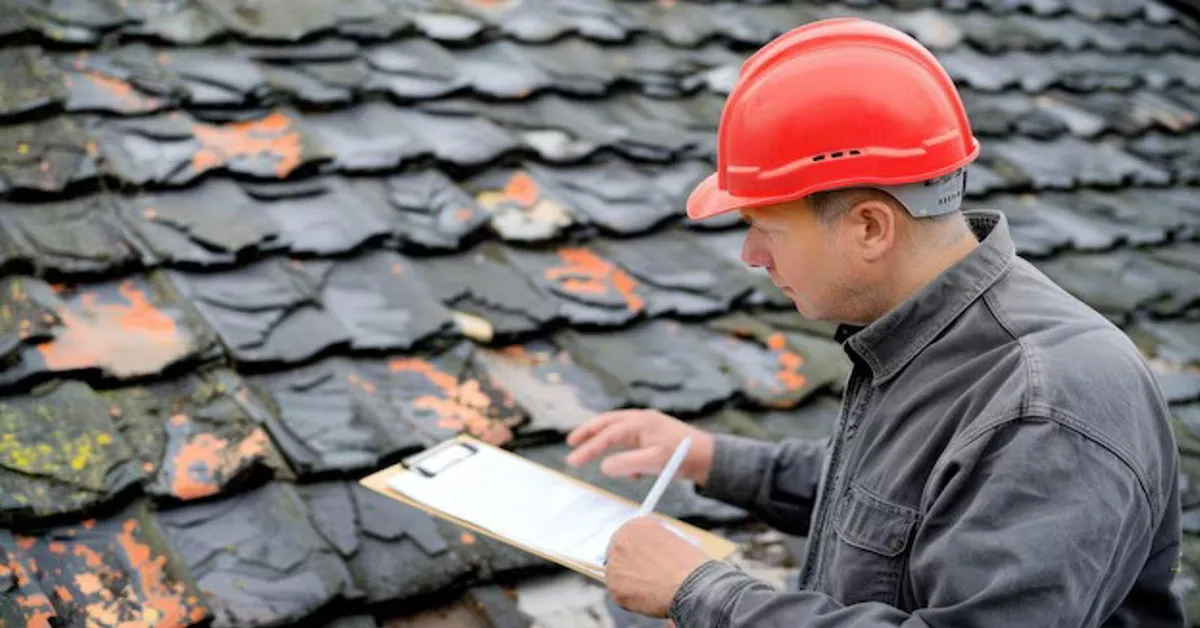
An older roof may receive closer attention because age can increase the likelihood of deterioration. Missing shingles, damaged areas, exposed materials, or worn surfaces can raise concerns.
The inspector may document the roof’s apparent condition and age. If the roof has reached an advanced stage of deterioration, the insurance company may request repairs or additional documentation.
Leaks and Visible Damage
Water stains, damaged flashing, deteriorated roofing materials, and visible signs of water intrusion can affect the inspection report.
Homeowners should address known roof problems before scheduling an inspection. A professional roofing contractor can determine whether repairs or replacement are appropriate.
Why Can Electrical Issues Cause Inspection Problems?
Electrical systems are another major source of concerns. An Electrical System Inspection focuses on visible components such as the electrical panel, breakers, wiring, and other accessible elements.
Problems may include outdated components, improper wiring, damaged equipment, missing protective devices, or conditions that appear unsafe.
Outdated Panels and Components
Older electrical equipment may receive additional scrutiny, especially when the condition or installation creates a potential safety concern.
Improper Wiring
Visible wiring problems can also affect the report. Loose connections, damaged wires, exposed conductors, or other questionable installations should be evaluated by a qualified electrician.
Homeowners should never attempt to repair electrical hazards themselves simply to prepare for an inspection. Safety should come first, and electrical work should be handled by an appropriately qualified professional.
Can Plumbing Problems Cause a Four Point Inspection Failure?
Yes. A Plumbing System Inspection can identify visible leaks, damaged fixtures, poor water flow, deteriorated components, or other conditions that may indicate increased property risk.
Common concerns include:
- Active pipe or fixture leaks
- Water stains around plumbing fixtures
- Deteriorated visible piping
- Problems with water supply or drainage
- Plumbing components that are not functioning correctly
Small leaks deserve attention because moisture can eventually contribute to property damage. Before an inspection, check accessible areas beneath sinks, around toilets, near water heaters, and around other visible plumbing connections.
If you already know about a leak, correcting it before the inspection may prevent the inspector from documenting an avoidable problem.
What HVAC Issues Can Affect the Inspection Result?
An HVAC System Inspection considers the visible condition and operation of heating and cooling equipment. Equipment that does not operate correctly, shows significant deterioration, or has obvious maintenance concerns may create questions during the inspection.
Poor System Operation
An HVAC system should be able to operate as intended during the inspection when conditions allow testing. Unusual noises, poor performance, or visible damage can become report items.
Aging or Deteriorated Equipment
Older equipment may receive closer attention, particularly when its condition suggests reliability or safety concerns. Homeowners should keep available service or maintenance documentation when applicable.
Routine HVAC maintenance can also help identify problems before they become more expensive or interfere with an insurance inspection.
How Should Homeowners Prepare Before the Inspection?
Preparation can make the inspection easier and reduce avoidable problems. It does not guarantee an acceptable result, but it helps ensure the inspector can evaluate the major systems properly.
Use this simple preparation process:
- Check for visible leaks. Look under sinks, around toilets, near water heaters, and around accessible plumbing connections.
- Review the roof. Look for obvious damage, missing materials, or signs of water intrusion from areas that can be safely viewed.
- Check electrical access. Make sure the electrical panel is accessible and not blocked by stored items.
- Test HVAC operation. If the system has known problems, arrange appropriate professional service before the inspection.
- Gather available records. Keep receipts or documentation for recent repairs, maintenance, or system replacement.
- Provide safe access. Clear clutter around major equipment so the inspector can reach accessible components.
These steps can help the inspection move more efficiently while giving the inspector a clearer view of the property’s major systems.
What Happens After a Four Point Inspection Finds Problems?
A concerning inspection result does not necessarily mean the homeowner has no options. The next step is to review the findings carefully and determine which issues require professional repair, further evaluation, or documentation.
For example, a plumbing concern may require a plumber, while an electrical finding may need an electrician. Roof concerns should generally be reviewed by a qualified roofing professional, and HVAC issues may require an HVAC technician.
After repairs are completed, homeowners may need updated documentation or another inspection depending on the insurance company’s requirements. Do not assume that completing one repair automatically guarantees insurance approval because the insurer makes the final underwriting decision.
If you need an insurance-focused evaluation of your home’s major systems, schedule a Four Point Inspection with Liberty Home Inspections.
Why Does Local Property Condition Matter in Lott, TX?
Homes in Lott and surrounding Central Texas communities can experience conditions that affect roofs, HVAC equipment, drainage, plumbing, and other building components. Weather exposure and normal aging can gradually affect major home systems.
Local homeowners should also make sure the inspector can safely access the areas being evaluated. Liberty Home Inspections serves Central Texas, and its published service information identifies Bell, McLennan, Coryell, and Falls Counties as its service area.
For a local contact point, Liberty Home Inspections lists 307 County Rd 483 Lott, TX 76656 and can be reached at (254) 624-3669. These details provide a straightforward way for homeowners to discuss inspection needs and property-specific questions.
How Can You Avoid Common Inspection Problems?
The best approach is to identify obvious issues before the inspection instead of waiting for them to appear in the report.
Focus on the four major systems and look for signs of damage, poor performance, leaks, deterioration, or unsafe conditions. If you discover a serious concern, use the appropriate qualified professional to evaluate and correct it.
A well-prepared homeowner should also understand that an inspection report documents observed conditions. It does not replace specialized evaluations when a problem requires a licensed trade professional or further testing.
Preparing early gives you more time to address concerns and collect useful documentation before an insurance company reviews the inspection information.
What Should You Remember Before Scheduling the Inspection?
A four points inspection is mainly about understanding the condition and risk of major home systems. Roof deterioration, electrical hazards, plumbing problems, and HVAC concerns are among the issues that can create an unfavorable result.
The goal should not be to hide problems or make temporary changes. Instead, homeowners should identify legitimate concerns, address necessary repairs, and make sure the inspector has safe access to the systems being evaluated.
If you own a property in Lott, TX, or another nearby Central Texas community, working with an experienced inspection professional can give you clearer information about the condition of these major systems.
For homeowners seeking a professional inspection, Liberty Home Inspections provides Four Point Inspection services focused on roofing, plumbing, electrical, and HVAC systems.
Frequently Asked Questions
What can cause a Four Point Inspection to fail?
Common concerns include roof deterioration, active plumbing leaks, unsafe or outdated electrical components, and HVAC systems that show significant performance or condition problems. The exact requirements depend on the insurance company and property. An inspector documents observed conditions, while the insurer determines how those findings affect coverage eligibility.
How long does a Four Point Inspection take?
Liberty Home Inspections states that its Four Point Inspection typically takes one to two hours, depending on the home’s size, system accessibility, and overall condition. Homeowners should allow enough time for the inspector to evaluate all four major systems carefully rather than rushing the appointment.
What does a Four Point Inspection include?
A typical evaluation focuses on four major systems: roofing, plumbing, electrical, and HVAC. The inspector looks for visible damage, deterioration, leaks, safety concerns, and operational issues. The exact inspection scope can vary depending on the property, accessibility, and requirements associated with the insurance request.
Can I fix problems before the inspection?
Yes. Addressing known problems before an inspection can help reduce avoidable concerns. For example, homeowners can arrange professional repairs for known leaks, electrical issues, roof damage, or HVAC problems. Keep repair invoices and maintenance documentation when available because they may help explain the current condition of a repaired system.
Is a Four Point Inspection required for every home?
No. Four Point Inspections are commonly associated with older properties, insurance applications, and policy renewals, but requirements vary between insurers. Your insurance company can tell you whether a report is required and what information it expects. The inspection itself does not guarantee approval because underwriting decisions are made by the insurer.
What happens if the inspection finds a serious problem?
The appropriate response depends on the finding. A homeowner may need to obtain a professional repair, replacement, or further evaluation. After the work is completed, the insurance company may request documentation or an updated inspection. Avoid assuming that one repair guarantees coverage because the insurer makes the final decision.
Why choose Liberty Home Inspections for a Four Point Inspection?
Liberty Home Inspections focuses its Four Point Inspection service on the four major systems used to evaluate property condition for insurance purposes. Its published service page identifies roofing, plumbing, electrical, and HVAC evaluation as core components and notes service across Central Texas.