Selling a house involves more than setting a price and welcoming potential buyers. Preparing your property for an inspection can help you make a positive impression and avoid unnecessary concerns during negotiations. Understanding Common Home Inspection Issues allows you to identify areas that deserve attention before the inspector arrives. Whether you are selling a starter home or a longtime family property, a little preparation can make the process smoother. Homeowners seeking Residential Home Inspection Groesbeck TX can also benefit from understanding what inspectors typically evaluate. From the roof and plumbing to electrical systems and ventilation, knowing what to expect helps you present your home with confidence.
1. Start With a Thorough Home Cleaning
First impressions matter, and a clean home makes it easier for an inspector to examine important areas. Although cleanliness does not determine a property’s structural condition, an organized space allows essential features to remain visible and accessible.
Clear Clutter From Important Areas
Walk through every room and remove unnecessary items from floors, countertops, and storage spaces. Pay special attention to utility closets, attic entrances, and areas beneath sinks. Inspectors need room to examine these locations without moving personal belongings.
Make sure electrical panels, water heaters, and heating equipment are easy to reach. Clear pathways around these systems so the inspection can proceed efficiently.
Pay Attention to Odors and Moisture
Open windows when practical, empty trash bins, and clean areas where unpleasant smells tend to linger. Persistent musty odors may indicate excess moisture, so investigate their source rather than simply masking them with air fresheners.
A clean, accessible home creates a welcoming atmosphere and helps inspectors focus on the property’s actual condition.
2. Examine the Roof and Exterior
The outside of your house protects the interior from weather, moisture, and other environmental elements. Exterior concerns are among the Common Home Inspection Issues sellers should consider before an appointment.
Check Roofing and Drainage
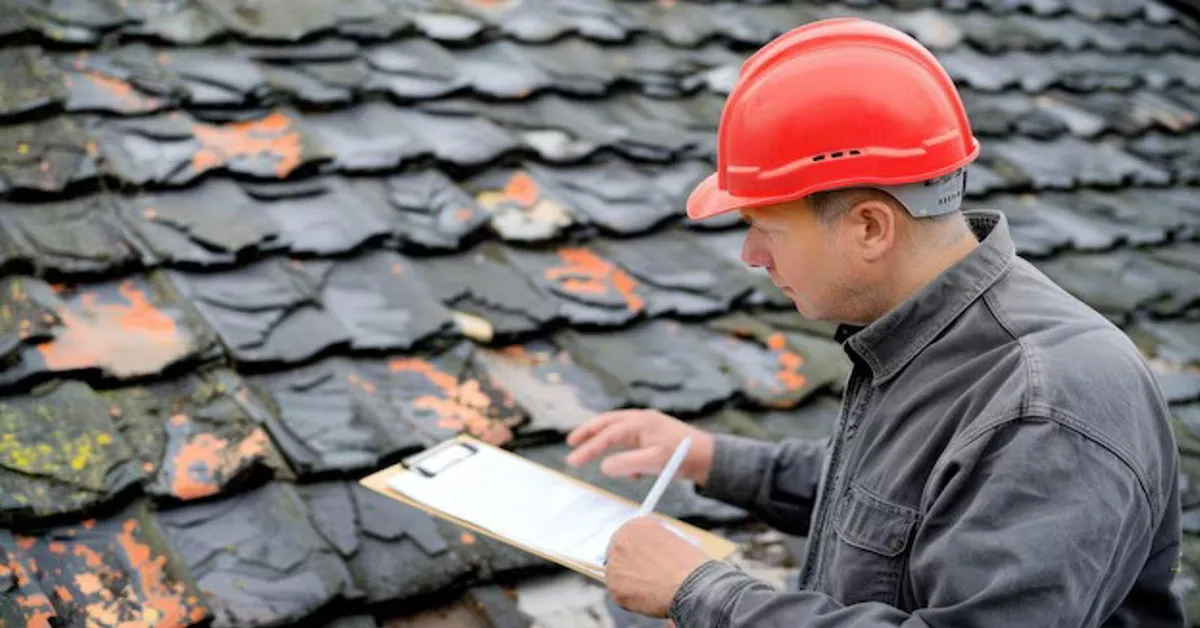
Look for visibly damaged shingles, loose roofing materials, and signs of water entry near ceilings. From the ground, examine roof edges for anything that appears out of place. Avoid climbing onto the roof yourself if access would be unsafe.
Clean gutters and downspouts so rainwater can flow away from the house. Make sure downspouts direct water away from the foundation rather than allowing it to collect beside exterior walls.
Inspect Walls, Windows, and Foundations
Walk around the property and look for cracks, peeling paint, damaged window seals, or gaps around exterior openings. Small cosmetic imperfections are not always significant, but noticeable changes or signs of water intrusion deserve closer attention.
Check that exterior doors open properly and that visible caulking around windows remains intact. These simple observations can help you identify concerns before the inspection begins.
3. Check Plumbing and Electrical Systems
Plumbing and electrical components receive close attention during a typical residential inspection. Problems involving leaks, outlets, or visible wiring can raise questions about maintenance and safety.
Look for Plumbing Concerns
Run faucets, flush toilets, and check beneath sinks for signs of dripping water or damp cabinet surfaces. Observe whether drains empty normally and whether hot water is available.
Examine exposed pipes for corrosion, mineral deposits, or visible moisture. Check around toilets and beneath the kitchen sink for staining that could indicate an ongoing leak. Addressing these concerns before the appointment can help prevent surprises.
Review Visible Electrical Components
Test accessible light switches and confirm that installed light fixtures operate as expected. Check for damaged outlet covers and exposed wiring in visible areas.
Never open electrical panels or attempt work beyond your experience. If you notice unusual electrical behavior, consult a qualified professional. Electrical safety is more important than making a quick cosmetic improvement.
These checks help reduce Common Home Inspection Issues associated with plumbing performance and electrical safety while making essential systems easier to evaluate.
4. Prepare Heating, Cooling, and Interior Spaces
Heating, cooling, and ventilation systems contribute to everyday comfort and are important parts of a home’s overall condition. Preparing these areas helps the inspector assess their visible components and basic operation.
Maintain HVAC Accessibility
Replace a visibly dirty air filter if needed, clear objects away from indoor equipment, and ensure that accessible supply and return vents are not blocked by furniture.
If the weather permits normal operation, confirm that the heating and cooling systems respond to their controls. Follow the manufacturer’s operating guidance and avoid running equipment in conditions that could damage it.
Keep maintenance records and equipment manuals available when possible. These documents can help explain the age and service history of major household systems.
Review Ceilings, Walls, and Attic Access
Look for ceiling stains, peeling finishes, unusual discoloration, or signs of moisture around windows. Check that attic entrances and accessible interior doors are not obstructed.
Common Home Inspection Issues sometimes involve ventilation deficiencies, visible water stains, or signs of inadequate upkeep. Documenting previous work and being honest about known concerns helps establish realistic expectations with prospective buyers.
5. Organize Documents and Complete Your Final Walkthrough
Good preparation includes more than checking physical features. Organized records and a final walkthrough can help you answer questions clearly and avoid last minute confusion.
Gather Relevant Property Records
Collect available documents relating to the roof, HVAC equipment, plumbing, electrical updates, and other major improvements. Keep appliance manuals and information about installed systems in one convenient location.
If you have records of previous professional evaluations, make them available when appropriate. Clear documentation can help buyers understand the property’s maintenance history.
Use a Seller’s Final Checklist
Before the inspector arrives, confirm that:
- All rooms and accessible storage areas are reasonably tidy.
- Utility spaces and electrical panels are accessible.
- Faucets, toilets, and installed light fixtures operate normally.
- Attic access and other inspection points are unobstructed.
- Pets are safely accommodated away from inspection areas.
- Keys, access codes, and relevant property documents are ready.
These final steps can make the appointment more efficient. Although no preparation can guarantee a perfect report, it can reduce avoidable complications and help you approach the inspection with confidence.
Frequently Asked Questions
1. What are the most common home inspection issues?
Frequent findings include roof deterioration, plumbing leaks, electrical concerns, moisture intrusion, drainage problems, and HVAC maintenance concerns. The exact findings depend on the property’s age, design, and condition.
2. Should sellers attend the home inspection?
Sellers can ask their real estate agent about the preferred arrangement. Giving the inspector enough space to work can make the appointment more comfortable and efficient.
3. How long does a home inspection usually take?
Many inspections take approximately two to four hours, depending on the property’s size, age, accessibility, and overall condition. Larger or more complex homes may require additional time.
4. Can a clean house pass a home inspection?
Cleanliness helps inspectors access important areas, but it does not determine the outcome. The inspection focuses on observable property conditions and the operation of accessible systems.
5. Should sellers disclose known property problems?
Sellers should follow applicable disclosure requirements and provide accurate information about known conditions. Consult a qualified real estate professional about the requirements in your area.
Conclusion
Preparing your property before an inspection is a practical way to reduce uncertainty and make the selling process more manageable. By checking the roof, exterior, plumbing, electrical components, HVAC equipment, and interior spaces, you can identify concerns before they become unexpected discussion points. Understanding Common Home Inspection Issues also helps you prioritize safety, accessibility, and routine maintenance without worrying about every minor imperfection.
For dependable guidance and a clearer understanding of your property’s condition, consider Get Reliable Home Inspection Services when arranging your next inspection. Taking proactive steps today can help you welcome prospective buyers with greater confidence, support informed decisions, and move closer to a successful home sale.