Buying a rural property near Lott, Texas, offers peaceful surroundings, open land, and room to enjoy a quieter lifestyle. However, country homes often have features that deserve closer attention before you make an offer. Thorough Rural Home Inspections can help you understand the property’s condition, identify potential concerns, and make a confident purchasing decision. Scheduling a Rural Home Inspection Temple TX service is a practical first step toward evaluating everything from the roof and electrical system to the water supply and septic setup. A beautiful home may look perfect during a showing, but its most important details are not always visible at first glance.
1. Roof Condition and Structural Stability
Why the Roof Deserves Attention
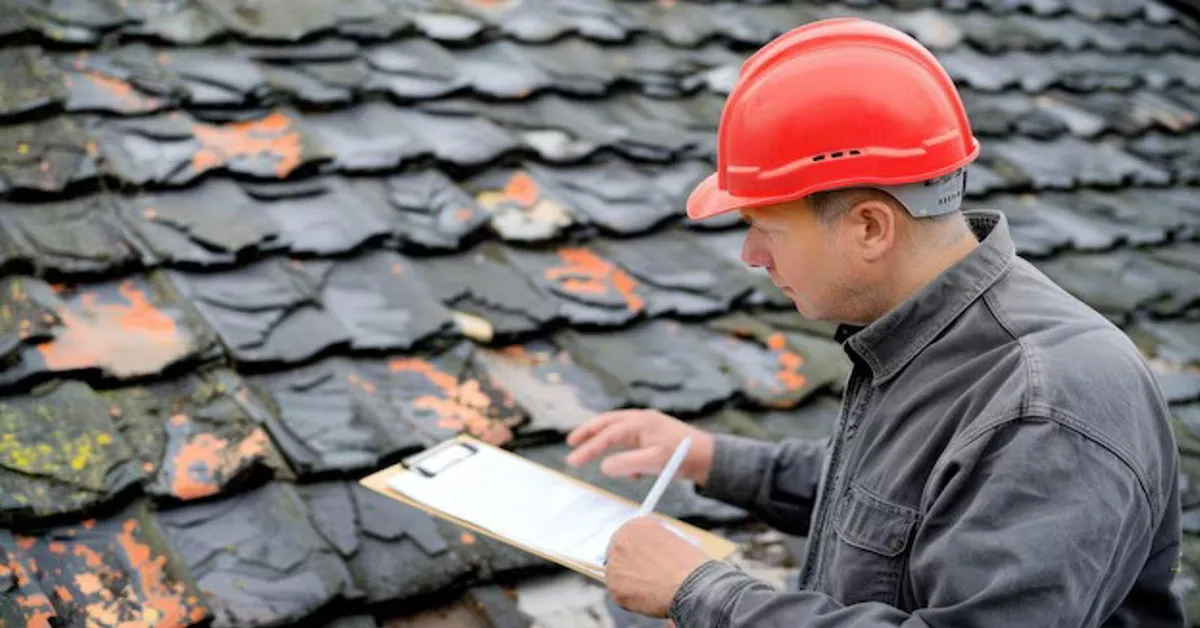
A roof protects the entire home from rain, wind, and intense Texas sunshine. During Rural Home Inspections, the inspector should examine accessible roofing materials, flashing, gutters, visible roof supports, and signs of water intrusion. Missing shingles, damaged metal panels, or deteriorated seals may indicate areas that need further evaluation.
A professional Roof Inspection Lott TX service is especially valuable for older country houses, barns, and properties with multiple outbuildings. Even a small opening can allow moisture to enter and affect ceilings, insulation, or wooden framing.
Check the Foundation and Framing
Foundation movement is another concern worth investigating. Inspectors look for significant cracks, uneven floors, sticking doors, and visible separation around windows. These observations do not automatically mean a serious structural problem exists, but they may justify further assessment.
Rural properties can experience changing soil moisture levels, which influence foundation performance. Ask about previous structural evaluations and observe whether the house appears level. Identifying concerns early helps you understand the home’s condition before finalizing your purchase.
2. Plumbing, Water Supply, and Septic Systems
Understand Where Your Water Comes From
Some rural homes depend on private wells rather than municipal water service. The water supply should be evaluated for visible equipment concerns, accessible plumbing connections, and signs of leakage. If the property has a private well, consider laboratory testing for bacteria and other contaminants relevant to the location.
A Plumbing Inspection Lott TX service can assess accessible pipes, faucets, toilets, water heaters, drainage fixtures, and water pressure. Watch for water stains beneath sinks, unusual odors, and damp areas around plumbing connections.
Evaluate the Septic System
Many country properties use private septic systems. Ask where the tank and drain field are located and whether maintenance records are available. A general home inspection does not necessarily establish the full condition of an underground septic system.
Arrange an appropriate septic evaluation when needed. Rural Home Inspections should also identify visible signs of wastewater concerns, including persistent wet ground near the system or unusual odors. Understanding the water and wastewater arrangements helps you plan for everyday household needs and ongoing property maintenance.
3. Electrical Safety and Essential Systems
Examine Wiring and Electrical Equipment
Electrical systems deserve careful attention, especially in older homes, workshops, and properties with additions built over several decades. An Electrical Inspection Lott TX service can assess accessible wiring, outlets, switches, the electrical panel, grounding, and other visible components.
Inspectors may identify exposed wiring, damaged outlets, overloaded circuits, or outdated electrical equipment. These findings should be evaluated according to applicable safety standards. Avoid assuming that a working light or appliance means the entire electrical system is safe.
Check Heating, Cooling, and Ventilation
Texas summers can place considerable demands on air conditioning equipment. Ask the inspector to evaluate accessible heating and cooling components, thermostat operation, visible ductwork, and ventilation.
During Rural Home Inspections, it is also useful to consider the age of major equipment and whether the property has adequate ventilation in bathrooms, kitchens, and enclosed spaces. If the home includes a workshop or detached living area, ask whether its electrical and climate control systems were included in the inspection.
A clear understanding of these systems helps you anticipate household expenses and decide whether additional specialist assessments are appropriate.
4. Drainage, Land, and Exterior Conditions
Look Beyond the House
Rural properties often include larger yards, open fields, slopes, ponds, or outbuildings. These features can be appealing, but the land surrounding a home matters just as much as the interior.
A Drainage Inspection Lott TX service can help identify grading concerns, blocked drainage routes, standing water, and areas where rainwater collects near the foundation. Ideally, the ground directs water away from the house instead of allowing it to pool against exterior walls.
Inspect Access Routes and Outbuildings
Check fences, gates, retaining walls, exterior steps, detached garages, and sheds for visible deterioration. Confirm that access routes remain usable during wet weather and that water does not regularly collect around essential structures.
Rural Home Inspections should account for the property’s broader setting, including trees near the house, visible erosion, and drainage around driveways and utility areas. Ask about any known flooding or water accumulation after heavy storms.
These observations are particularly useful when purchasing acreage because maintaining additional structures and land can involve more time and expense than caring for a standard suburban lot.
5. Interior Conditions and Property Specific Concerns
Inspect Attics, Walls, and Living Spaces
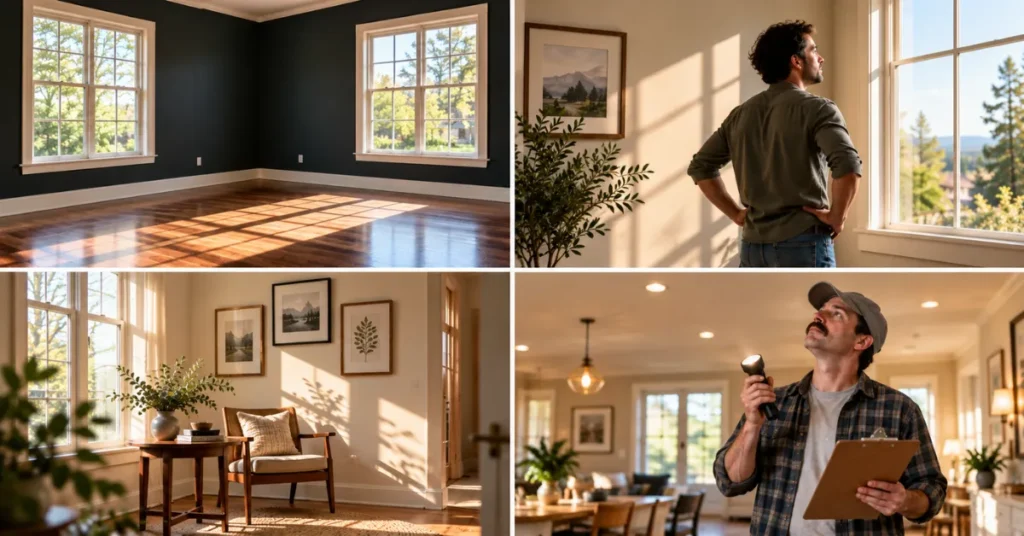
Interior finishes can hide clues about a property’s history. Inspectors should examine accessible attic spaces, ceilings, walls, windows, doors, and floors for visible moisture, damaged materials, inadequate ventilation, and signs of previous water entry.
Look carefully around window frames and beneath sinks. Fresh paint may simply reflect routine decorating, but unexplained stains or uneven surfaces deserve questions.
Review Utilities and Property Records
Depending on the home, additional concerns may include propane equipment, private water storage, generators, older heating appliances, and detached workshops. Confirm which systems serve the house and whether their condition requires specialist evaluation.
A thorough Residential Home Inspection Lott TX appointment can help you prioritize these concerns. Request documentation for significant past work, well testing, septic servicing, and permits when available.
Remember that a standard inspection is primarily a visual assessment of accessible areas. It cannot guarantee that every hidden defect will be discovered. Additional testing may be appropriate when the inspector identifies warning signs or when the property’s age and features warrant closer examination.
Frequently Asked Questions
Why are Rural Home Inspections important before buying property near Lott, TX?
Rural properties may depend on private wells, septic systems, separate outbuildings, and independent utilities. Professional inspections help buyers understand visible conditions, recognize potential safety concerns, and determine whether specialist evaluations are necessary before committing to the purchase.
What does a rural home inspection usually include?
A typical inspection covers accessible roofing, foundations, electrical components, plumbing fixtures, heating and cooling equipment, interior spaces, and visible exterior conditions. The precise scope varies, so buyers should confirm whether wells, septic systems, outbuildings, and additional structures require separate appointments.
Should I arrange a Roof Inspection Lott TX service?
Yes, particularly when the home has older roofing, visible damage, or signs of previous moisture entry. A qualified inspector can assess accessible roof components and identify concerns that may require a roofing specialist to provide a more detailed evaluation.
Are private wells and septic systems included in every inspection?
No. Standard residential inspections do not automatically include laboratory water testing or comprehensive septic evaluations. Buyers should ask which services are included and arrange separate testing or specialist assessments when private water and wastewater systems are present.
When should I schedule a rural property inspection?
Schedule the inspection during your purchase process while you still have time to review the findings and ask questions. Whenever possible, arrange it before your inspection contingency or other relevant contractual deadline expires, allowing time to consider additional evaluations.
Conclusion
Buying a country home near Lott, TX, can be an exciting opportunity, but understanding its condition is essential before making a long term commitment. From roofing and plumbing to electrical systems, drainage, foundations, and private utilities, Rural Home Inspections provide valuable information about the property you intend to purchase. A careful evaluation also helps you plan maintenance, budget realistically, and ask informed questions before closing. Do not let attractive acreage or a charming farmhouse distract you from essential details. Book Your Home Inspection to arrange a professional inspection and take the next step toward purchasing your rural Texas home with greater confidence.