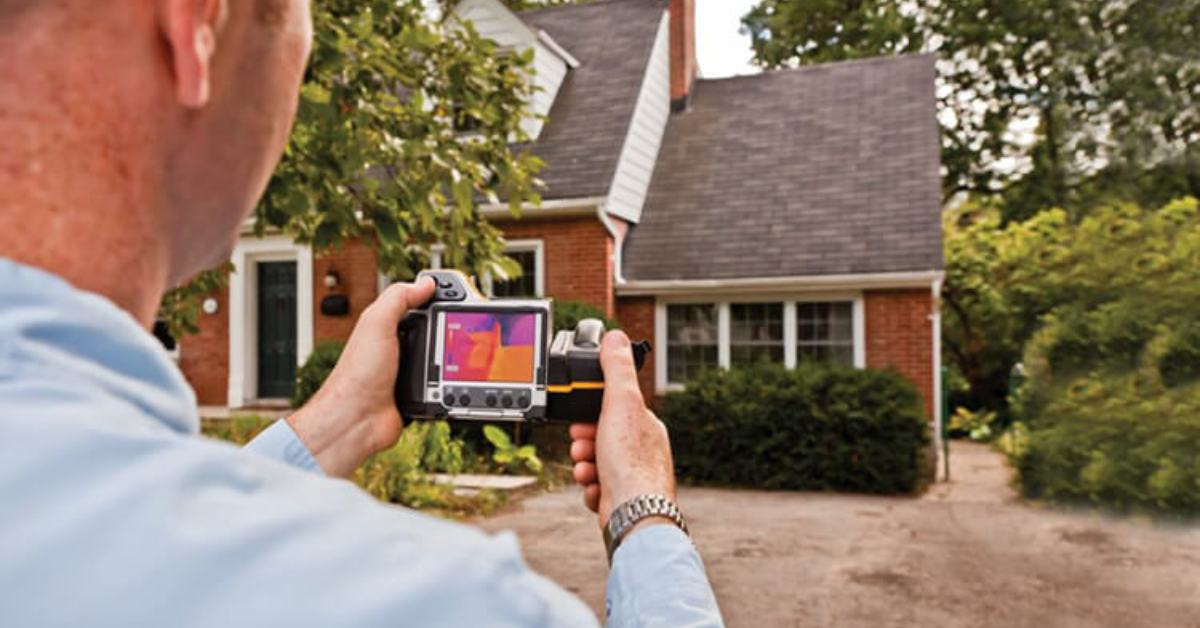

Buying a home is a major financial decision, and a property can look perfect while hiding expensive problems. A pre-purchase home inspection gives buyers a closer look at the home’s visible condition before they commit to the purchase.
Common findings can involve the roof, foundation, plumbing, electrical system, HVAC equipment, drainage, moisture, insulation, and other major components. Knowing what inspectors commonly find can help you understand the report and decide which issues deserve immediate attention.
Which Problems Are Most Often Found During a Home Inspection?
A home inspection commonly identifies issues involving roofing, electrical systems, plumbing, HVAC equipment, drainage, moisture, structural components, insulation, ventilation, and general maintenance. Some findings are minor, while others can affect safety, repair costs, or the home’s long-term condition. The key is understanding the severity of each issue rather than treating every defect as a reason to walk away.
For buyers in Lott and surrounding areas, an inspection can provide useful information about the condition of a property before closing. A home inspection before buying can also give you a clearer basis for discussing repairs or other terms with the seller.
One of the most important benefits is knowing what requires attention now versus what may simply need routine maintenance. Buyers can also use an inspection report to identify areas that deserve additional evaluation.
For a deeper look at avoiding expensive surprises during the buying process, read this guide on avoiding costly home inspection problems.
How Can Roof Problems Affect a Home Purchase?
Roof problems are among the findings buyers should take seriously because a roof protects much of the property from water intrusion. An inspection may identify damaged or missing shingles, deteriorated flashing, visible leaks, drainage concerns, or signs of aging materials.
A roof defect does not automatically mean the buyer should reject the property. The important questions are whether the issue affects performance, how extensive the damage appears, and whether further evaluation is recommended.
A pre-purchase property inspection can help document visible roof conditions before the transaction is completed. If the inspector recommends a roofing specialist, that additional evaluation can provide more detailed information about repair or replacement needs.
Why Do Foundation and Structural Issues Matter So Much?
Structural concerns deserve careful attention because they can affect the stability, function, and future repair needs of a property. Inspectors may document visible foundation cracks, uneven floors, sticking doors, wall cracking, or other signs that could warrant further evaluation.
Not every crack indicates a serious structural defect. Homes naturally experience movement over time, and inspectors generally look at the overall pattern and visible evidence rather than judging one isolated mark.
A home structural inspection can help buyers understand whether visible concerns appear minor or whether specialist evaluation may be appropriate.
For a buyer, the most important step is not to panic. Ask what was observed, where it was located, whether it appears active or significant, and whether a structural engineer or other qualified professional should inspect it further.
What Electrical Problems Should Buyers Watch For?
Electrical concerns can range from simple maintenance items to conditions that create safety risks. Common findings may include missing protective devices, damaged outlets, exposed wiring, improper connections, outdated components, or other visible defects.
An inspection is generally a visual assessment rather than a complete electrical engineering evaluation. If an inspector identifies a condition that needs further investigation, an electrician may be recommended.
Buyers should pay particular attention to findings involving safety, overheating, damaged wiring, or equipment that does not appear to function correctly. These issues can be more important than cosmetic electrical defects because they may affect the safe use of the home.
How Can Plumbing and HVAC Problems Increase Future Costs?
Plumbing and HVAC systems are essential to everyday comfort, so defects can quickly become expensive when they are ignored. During a residential property inspection, an inspector may identify leaking fixtures, drainage problems, damaged pipes, water heater concerns, or signs of moisture around plumbing components.
HVAC findings can include equipment that does not operate as expected, damaged components, inadequate airflow, visible deterioration, or maintenance concerns. The inspection report may also recommend evaluation by an HVAC professional when the visible condition suggests a more serious problem.
Buyers should look beyond whether a system simply turns on. Age, visible condition, performance, and signs of previous problems can all help determine what deserves additional attention.
Why Are Moisture, Drainage, and Ventilation Problems Important?
Water is one of the biggest threats to a home’s long-term condition. Poor drainage, plumbing leaks, roof leaks, or water intrusion can contribute to deterioration if the underlying source is not corrected.
An inspector may look for visible evidence such as staining, damaged materials, standing water, poor grading, or moisture-related deterioration. These observations can help identify areas where further investigation may be necessary.
Ventilation and insulation issues can also affect comfort and moisture management. Problems in attics or other areas may not be immediately obvious during a casual property viewing.
A property condition assessment helps buyers see beyond the home’s appearance and focus on conditions that could affect future ownership.
How Should Buyers Prioritize Issues Found in the Report?
Not every inspection finding deserves the same level of concern. A useful approach is to organize findings according to safety, function, potential cost, and the need for specialist evaluation.
Start With Safety and Major Defects
Give priority to conditions that could create safety concerns or affect major structural and mechanical components. These findings deserve careful review before making a final decision.
Separate Repairs From Routine Maintenance
A loose fixture, worn seal, or minor maintenance issue is very different from a major roof, foundation, electrical, or water intrusion concern. Grouping everything together can make the report seem more alarming than it really is.
Ask When Specialist Evaluation Is Needed
A home inspector can identify visible concerns, but some problems require a specialist to determine the exact cause, scope, or repair method. Follow the report’s recommendations when additional evaluation is advised.
What Should You Do After Major Problems Are Found?
Finding defects does not automatically mean you should cancel the purchase. Instead, review the findings carefully and determine what they mean financially and functionally.
A practical process is:
- Read the full inspection report rather than focusing only on the summary.
- Identify safety and major system concerns that deserve immediate attention.
- Ask questions about unclear findings so you understand the issue.
- Get specialist evaluations when the report recommends them.
- Estimate realistic repair needs before making a final decision.
- Discuss appropriate options with your real estate professional based on your purchase contract.
The goal is to replace uncertainty with useful information. A good inspection report should help you make a more informed decision rather than simply give you a long list of defects.
Schedule a Pre-Listing Inspection with Liberty Home Inspections
What Makes a Pre Purchase Inspection Especially Valuable in Lott?
Local conditions can influence the types of maintenance and property concerns buyers encounter. In Lott, Texas, buyers should pay attention to the home’s visible drainage patterns, foundation condition, roof performance, exterior components, plumbing, electrical systems, and HVAC equipment.
The age, construction type, previous maintenance, and history of improvements can also change what an inspector finds. Two homes in the same area can have very different inspection results.
For local buyers, the inspection should therefore be treated as a property-specific evaluation rather than a generic checklist. Liberty Home Inspections can be contacted at (254) 624-3669 for inspection-related information. The business address is 307 County Rd 483 Lott, TX 76656.
How Can Buyers Get More Value From the Inspection?
The best way to benefit from an inspection is to participate in the process and ask questions. If possible, review the major findings with the inspector and make sure you understand which conditions require immediate attention.
Keep the report after closing, too. It can serve as a useful reference for maintenance planning and future repairs.
Most importantly, remember that an inspection is about understanding the property’s condition. A house does not need to be perfect to be a good purchase, but you should understand significant defects before committing to ownership.
When you need a clearer picture of a property’s condition before buying, Liberty Home Inspections provides a local option for buyers seeking informed decisions in and around Lott.
Frequently Asked Questions
How much does a pre-purchase home inspection cost?
The cost varies based on factors such as the property’s size, age, location, and inspection scope. Additional services may also have separate fees. Because pricing can change from one property to another, buyers should request a quote based on the specific home rather than relying on a general national estimate.
How long does a home inspection take?
Inspection time depends on the size, age, condition, and features of the property. A larger or more complex home may require more time than a smaller property. Buyers should schedule the inspection early enough within their contractual due diligence period to allow time for reviewing findings and arranging specialist evaluations if needed.
What areas does a home inspection cover?
A typical inspection reviews accessible and visible components of the home’s major systems and structure. This can include the roof, exterior, foundation, plumbing, electrical, HVAC, interior areas, attic, insulation, ventilation, and other components within the inspection scope. Certain specialized evaluations may require separate professionals.
Can a home inspection find hidden problems?
An inspection can identify visible signs that suggest a concealed problem, but a standard inspection is not designed to uncover every condition hidden behind walls, beneath floors, or underground. When warning signs are present, the inspector may recommend additional testing or evaluation by an appropriate specialist.
What should I do if an inspection finds a serious problem?
First, understand exactly what the inspector observed and why it matters. If additional evaluation is recommended, consider getting an appropriate specialist involved. Depending on the purchase contract and circumstances, buyers may then discuss repairs, credits, price adjustments, or other options with their real estate professional.
Does a home inspection include every type of testing?
No. Specialized services such as certain environmental, pest, sewer, or other system-specific evaluations may fall outside the scope of a standard inspection. The inspection agreement and report should explain what is included and identify areas where additional testing may be appropriate.
Why should I choose Liberty Home Inspections?
Buyers should look for an inspection provider that offers a clear process, documents observable conditions, explains findings in understandable language, and helps them understand which concerns may require additional evaluation. For buyers in Lott, choosing a local inspection provider can make it easier to focus on the specific condition of the property being considered.