Buying a house is one of the biggest checks you will ever write, and most of the risk sits behind the walls where you cannot see it. A clean kitchen and fresh paint tell you nothing about the pipes running under the floor. That is why a plumbing inspection for home buyers is not an extra step you can skip. It is the step that tells you if the house is ready to live in or ready to drain your savings.
The good news is that you do not need to be a plumber to know what matters. You just need a clear plumbing inspection checklist and a trained set of eyes walking through the home with you. Below is everything a solid home plumbing inspection should cover, plus the warning signs that should slow you down before you sign.
Why a Plumbing Inspection Matters Before You Buy
Water damage is quiet. A slow leak inside a wall can run for months before a stain shows up, and by then the drywall, framing, and flooring may already be soft. Sellers are not always hiding anything. Many simply do not know, because the problem started long before the listing photos were taken. A plumbing inspection before buying a house pulls those hidden issues into the open while you still have room to negotiate.
There is also a money side to this. Repiping a house, replacing a sewer line, or fixing foundation damage caused by a leak can cost more than a full year of mortgage payments. When you know about a problem before closing, you can ask for a repair, ask for a credit, or walk away. After closing, that bill belongs to you alone.
Start With Water Pressure and Flow
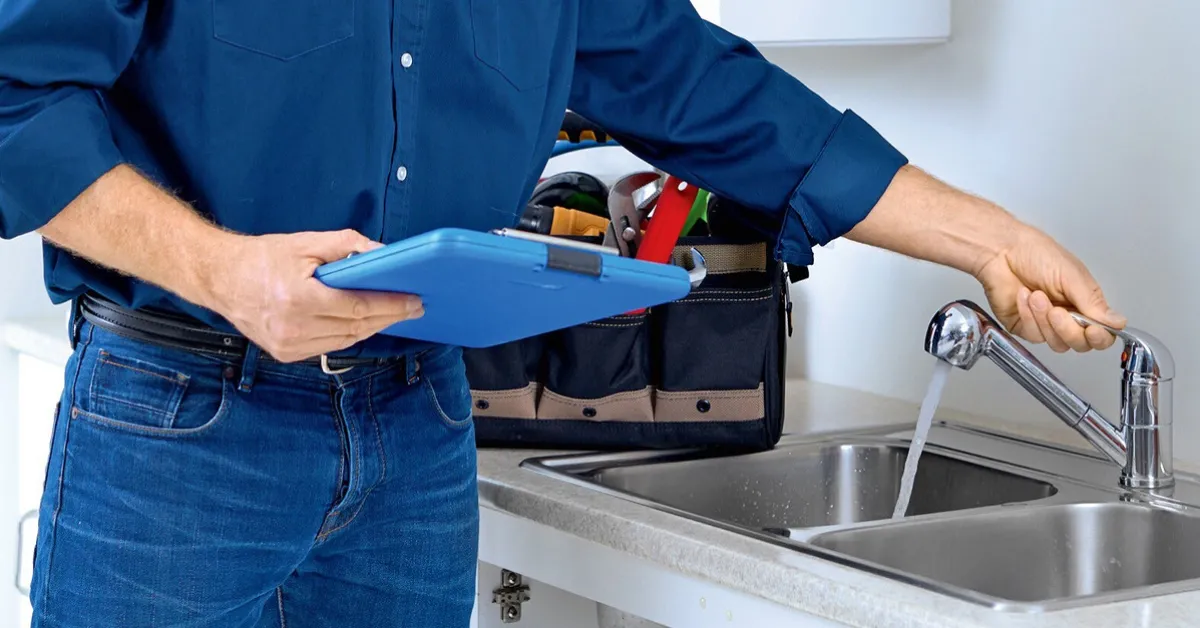
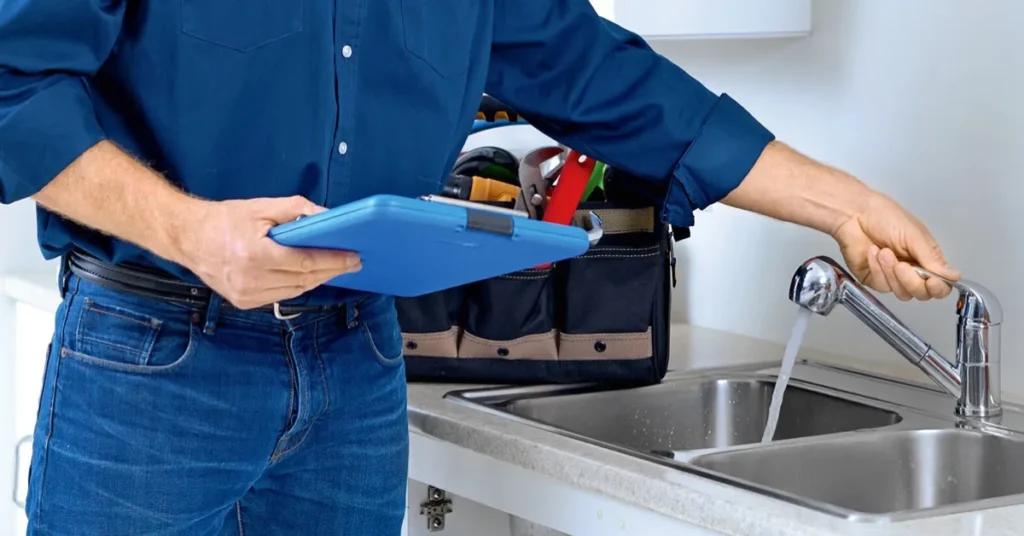
Turn on the kitchen faucet, then a bathroom faucet, then flush a toilet. Watch what happens. Pressure that drops hard when two fixtures run at once often points to narrow, rusted, or partly blocked supply lines. Water that sputters or spits air can mean a line problem or a well issue in rural areas. Both are worth checking before you fall in love with the house.
Low pressure is annoying, but very high pressure is worse. Anything above about 80 psi puts steady strain on every joint, hose, and appliance in the home. Over time that pressure blows out washing machine hoses and water heater parts. A proper plumbing system inspection includes a pressure reading, not just a quick look at the faucet.
Hunt for Leaks and Water Stains
Get under every sink with a flashlight. Look at the cabinet floor for dark rings, soft spots, or peeling wood. Check the ceiling below upstairs bathrooms. Look at the base of every toilet for loose caulk or a floor that flexes when you step near it. These small clues are the most common plumbing problems to look for when buying a house, and they are easy to spot once you know where to point the light.
Do not stop inside. Walk the outside of the home and look for damp soil, unusually green grass, or a spot of the yard that stays soggy in dry weather. That can mean a broken supply line or a failing sewer line under the ground. Also check the water meter with every fixture off. If the dial is still moving, water is going somewhere it should not.
Know What the Pipes Are Made Of
Pipe material tells you a lot about what is coming. Copper and PEX are generally reliable and have long service lives. Galvanized steel, common in older homes, rusts from the inside and slowly chokes off flow. Polybutylene, used in many homes built between the late 1970s and mid 1990s, is known for failing without warning and can be hard to insure. Cast iron drain lines can crack and scale after decades of use.
Ask what you are looking at and how old it is. A house plumbing inspection should note the material, the visible condition, and any mixed sections where one pipe type was joined to another. Mixed materials are not always a problem, but bad connections between them corrode fast. Knowing the material also helps you budget, because a future repipe is a very different number than a single fixture repair.
Give the Water Heater a Close Look
Find the label and read the manufacture date. Most tank water heaters last around eight to twelve years. If the unit is already past that window, plan on replacing it soon, even if it is heating fine today. Look for rust at the base, moisture on the floor around it, and any signs of past leaking on the pan or nearby wall.
Safety matters just as much as age. There should be a temperature and pressure relief valve with a discharge pipe running down toward the floor. Gas units need proper venting and clearance. Tankless units need service records. A careful inspector checks all of this, because a neglected water heater is both a leak risk and a safety risk.
Check Drains, Sewer Lines, and the Septic System
Fill a sink, then let it drain and listen. Gurgling, slow draining, or a bubbling toilet in another room can point to a partial blockage or a venting problem. Run water in several fixtures at once and watch how the system handles it. Sewer smells anywhere in the house are never normal and should be traced.
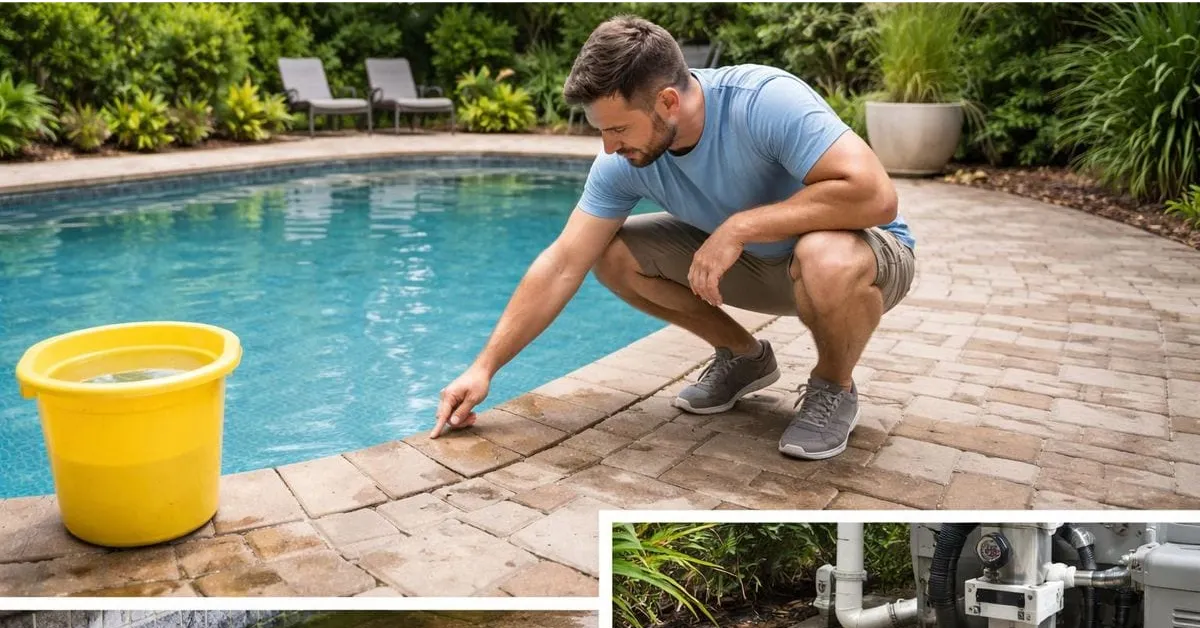
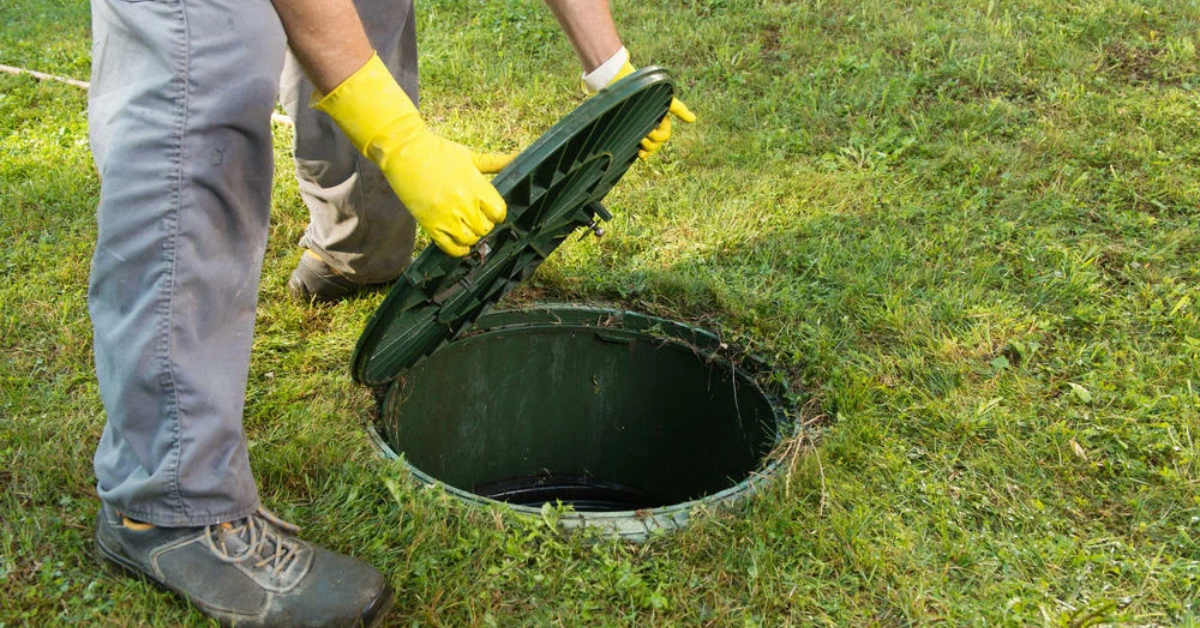
If the property has a septic system, that deserves its own attention. Tank age, drain field condition, and pumping history all affect what you will spend in the first few years. Liberty Home Inspections handles septic and pool inspections alongside standard home inspections, so buyers in Central Texas can get the full picture in one visit instead of chasing three different vendors.
Test Fixtures, Toilets, and Shut Off Valves
Every toilet should be checked for rocking, running, and a solid seal at the floor. Every faucet should be run hot and cold. Every shower and tub should be tested for drainage and for a working diverter. These are small items on their own, but ten small items add up to a real repair bill in the first month of ownership.
Then find the shut off valves. There should be one under each sink, one behind each toilet, and a main shut off for the whole house. Old valves often seize up and will not close when you need them most. Knowing where the main is, and knowing it actually works, is the single best thing you can do to limit damage during a future leak.
A Simple Plumbing Inspection Checklist to Bring Along
Keep it short and practical. Check water pressure at multiple fixtures. Look under every sink for leaks and stains. Note the pipe material and age. Read the water heater date and check for rust or moisture. Test all drains for speed and sound. Confirm every toilet is stable and not running. Locate and turn every shut off valve. Walk the yard for wet spots. Ask about the sewer or septic condition and the last time it was serviced.
Use this list as your own walkthrough, then let a licensed inspector confirm it. A trained inspector will catch the things a checklist cannot, such as improper slope on a drain line, a missing vent, or a repair that was done without a permit. That combination of your own eyes and a professional report is what makes a plumbing inspection for home buyers genuinely useful.
Frequently Asked Questions
Is plumbing included in a standard home inspection?
Yes, a general home inspection covers the visible and accessible parts of the plumbing system, including fixtures, drains, supply lines, and the water heater. It does not include opening walls or scoping the sewer line, so ask your inspector what add on services are available.
How long does a plumbing inspection take?
The plumbing portion usually adds about thirty to sixty minutes to a full home inspection, depending on the size and age of the house. Larger homes, homes with multiple bathrooms, and properties with septic systems take longer.
Can an inspection find leaks inside the walls?
An inspector cannot see through drywall, but there are strong clues. Moisture readings, stains, soft spots, high humidity, and a moving water meter with all fixtures off can all point to a hidden leak that needs further testing.
What plumbing problems are most common in older homes?
Galvanized supply lines with reduced flow, cast iron drains that have cracked or scaled, aging water heaters, seized shut off valves, and past repairs done without permits are the issues that show up most often.
Do I still need a plumbing inspection on a brand new house?
Yes. New construction can have loose fittings, missing vents, poorly sloped drains, and rushed work from the final push to close out the build. A plumbing inspection for home buyers is just as valuable on a new home as it is on a fifty year old one.
Book Your Inspection Before You Sign the Contract
You only get one chance to find these problems while you still have leverage, and that chance closes the day you sign. A thorough plumbing inspection for home buyers gives you real numbers to work with instead of guesses, so you can negotiate repairs, adjust your offer, or move forward knowing exactly what you are buying. Liberty Home Inspections serves buyers across Lott, Waco, Temple, Killeen, Belton, Salado, Georgetown, and the surrounding Central Texas area with clear, easy to read reports and no rushed walkthroughs.
Ready to move forward with confidence? Schedule your home inspection with Liberty Home Inspections today and get a straight answer on the condition of the plumbing before your option period runs out. Call (254) 624-3669 to book your appointment.