You walk into the hallway one morning and notice a thin line running up the wall. It was not there last spring. Your first thought is simple: is this just paint settling, or is my house in trouble? Almost every homeowner asks this question at some point, and the honest answer is that most cracks are harmless while a small number are not. The trick is knowing which group your crack belongs to before you spend money you did not need to spend.
The good news is that you do not need an engineering degree to spot the difference.
A hairline crack and a structural problem look different, grow differently, and show up in different places. Once you know what to look for, you can stop guessing and start making a smart decision. This guide walks you through the clues, the red flags, and the point where you should stop watching and call a professional.
What a Hairline Crack Really Is
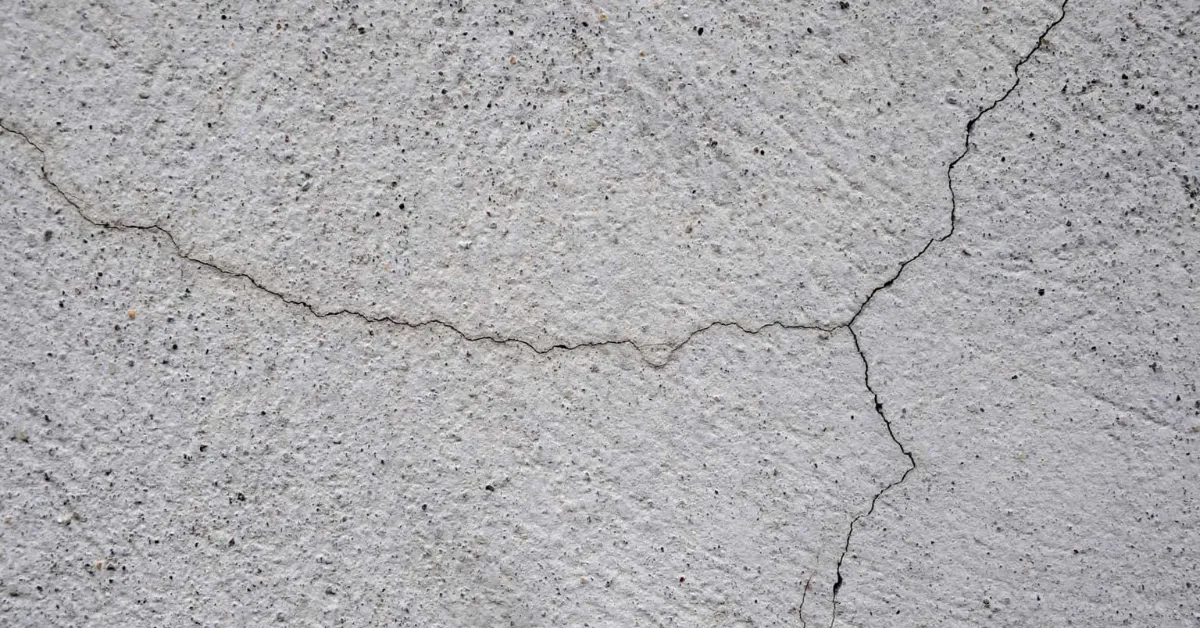
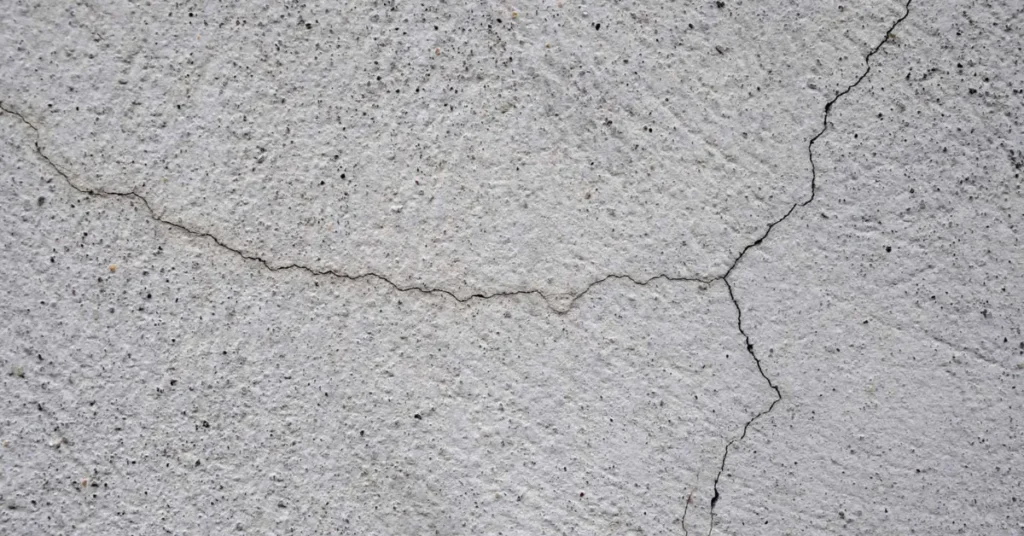
A hairline crack is exactly what the name suggests. It is thin, usually less than one sixteenth of an inch wide, and it often looks like someone drew on the wall with a sharp pencil. These are the most common hairline cracks in walls that inspectors see in homes across Central Texas. They form because building materials move. Wood frames dry out, drywall mud shrinks, paint pulls tight, and the house settles into its footprint during the first few years after it is built.
Temperature and humidity swings make this worse in Texas than in most states. Hot summers and damp winters cause materials to expand and shrink over and over again. That constant movement shows up as small cracks in drywall around door frames, window corners, and ceiling joints. A true hairline crack stays about the same size year after year. You can usually cover it with paint or caulk and forget about it. It is cosmetic, not a warning sign.
What Turns a Crack Into a Structural Problem
A structural problem is different because the damage is not on the surface. It means something holding your house up has shifted, sunk, or lost support. When that happens, the crack is not the issue. The crack is only the symptom telling you that the frame or the slab underneath has moved. Structural cracks in walls tend to be wider than a quarter inch, and they often keep growing month after month.
Shape matters too. A structural crack in foundation walls usually runs at an angle, forms a stair step pattern through block or brick, or opens wider at one end than the other. You may also see one side of the crack sitting higher than the other side. That offset is a strong clue that the ground under one part of the home dropped. This is the point where a hairline crack and a structural problem stop looking alike, and where a professional opinion becomes worth the money.
Hairline Crack vs Structural Crack | A Simple Side by Side Check
The fastest way to run a hairline crack vs structural crack comparison at home is to check width, direction, and change over time. Grab a coin. If the crack is thinner than the edge of a dime and runs straight up or straight across, you are most likely looking at normal shrinkage. If the crack swallows the edge of the coin, cuts diagonally, or zigzags across the brick outside, treat it seriously. Diagonal lines follow stress, and stress follows movement.
Change over time is the strongest clue of all. Take a photo with your phone, mark both ends of the crack with a light pencil line, and write the date next to it. Check it again in sixty days. A cosmetic crack will look almost identical. A structural problem will spread past your pencil marks, widen, or send new branches into the ceiling. That simple habit gives you real evidence instead of a gut feeling, and it gives an inspector something useful to work with.
Why the Location of Wall Cracks Matters
Not all wall cracks in house interiors carry the same weight. Cracks above a door frame or in a ceiling corner are usually just tension points where drywall panels meet. Those spots take the most stress from normal movement, so they crack first and mean the least. The same goes for thin lines along baseboards or where two sheets of drywall were taped together during construction.
Cracks near the floor line, along an exterior brick wall, or around a garage door opening deserve more attention. Those areas sit directly over the slab and carry real load. If foundation cracks appear there along with gaps around the trim, you are seeing evidence that the slab is not sitting flat anymore. Location alone does not confirm damage, but it does tell you how urgently you should have someone look at it.
What Causes Foundation Problems in Central Texas
Most foundation problems in this part of Texas start with the soil. The clay under homes in Waco, Temple, Belton, and Killeen soaks up water and swells during heavy rain, then dries out and shrinks during summer heat. That cycle lifts and drops the slab a little bit every year. Over time, uneven movement pulls the frame out of square, and the walls show it.
Water management is the other half of the story. Gutters that dump water next to the slab, flower beds that slope toward the house, and leaking supply lines all soften the soil in one spot while the rest stays firm. That imbalance is what creates a real structural problem rather than a harmless hairline crack. The fix is often cheaper than people fear, especially when drainage is corrected early instead of after years of movement.
Signs of Structural Damage You Should Never Ignore
Walls are not the only place to look. Clear signs of structural damage include doors that stick or swing open on their own, windows that will not latch the way they used to, and floors that feel bouncy or sloped in one room. Sometimes you will notice a gap opening between the crown molding and the ceiling, or nails popping out of the drywall in a straight line.
Outside the home, look at the brick, the porch, and the driveway. Stair step cracking through mortar joints, a chimney pulling away from the wall, or a slab edge that is visibly higher on one corner all point to movement. When two or three of these appear together, the odds shift from cosmetic to serious. That combination is the moment to schedule a home inspection for foundation cracks rather than wait another season.
What to Do Before You Panic
Start with the free steps. Clean your gutters, extend your downspouts at least five feet away from the house, and fix any grading that slopes toward the slab instead of away from it. Water the foundation evenly during dry stretches so the soil does not shrink on one side only. Many homeowners watch small cracks stop moving once drainage is corrected, which saves thousands of dollars.
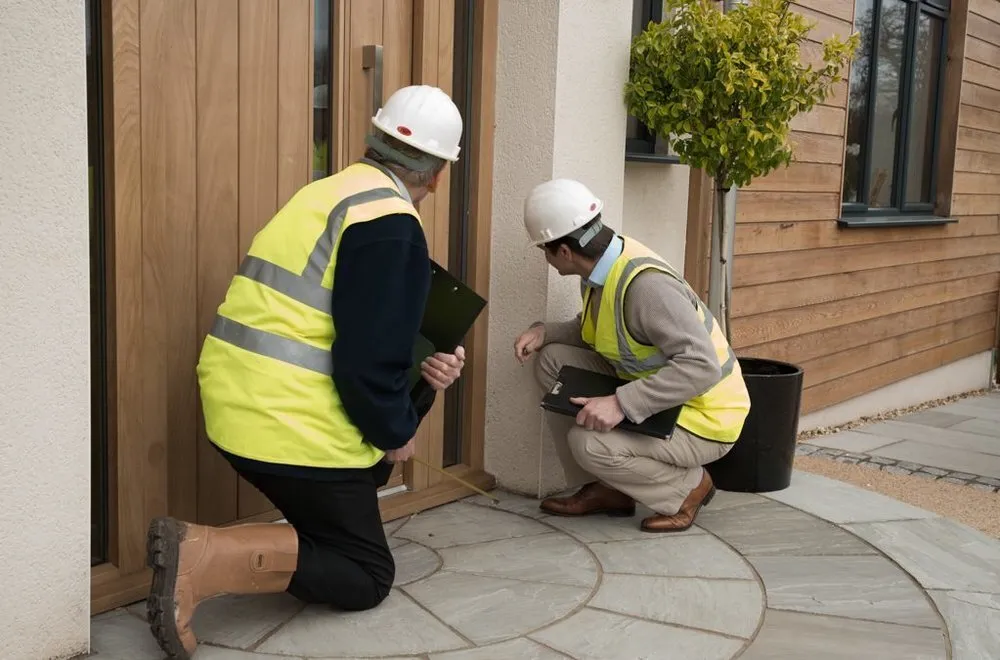
Then get an honest set of eyes on it. A qualified inspector measures, documents, and tells you plainly whether you are dealing with normal settling or something that needs a structural engineer. Liberty Home Inspections works with buyers and homeowners across Lott, Temple, Waco, Killeen, and the surrounding area, and a written report gives you leverage whether you are buying, selling, or simply protecting what you own.
Frequently Asked Questions
Is every hairline crack in my wall safe to ignore?
Not always, but usually yes. A thin crack that stays the same size and sits near a door or window corner is almost always cosmetic. Track it for two months before you spend money on repairs.
How wide does a crack need to be before it is a structural problem?
A common rule of thumb is one quarter inch. Cracks wider than that, especially diagonal ones or ones with uneven sides, should be looked at by a professional right away.
Can I just patch and paint over foundation cracks?
You can, but patching only hides the surface. If the cause is soil movement or poor drainage, the crack will come back. Fix the water issue first, then repair the wall.
Do I need an inspection before buying a home with cracks?
Yes. A home inspection for foundation cracks during your option period tells you what the repair really involves and gives you room to negotiate before you close.
Will a home inspector tell me the exact repair cost?
An inspector documents the condition and severity, then refers you to a structural engineer or foundation contractor for engineered repair plans and pricing.
Get a Clear Answer About That Crack Before It Costs You
Guessing about a crack is stressful, and waiting rarely makes it cheaper. If you are unsure whether you are looking at a hairline crack or a structural problem, the smartest move is a documented, unbiased evaluation from someone who inspects Central Texas homes every week. You can schedule a home inspection for foundation cracks with Liberty Home Inspections and get a clear, written answer instead of a guess. Call Liberty Home Inspections today at (254) 624-3669 and find out exactly where your home stands.