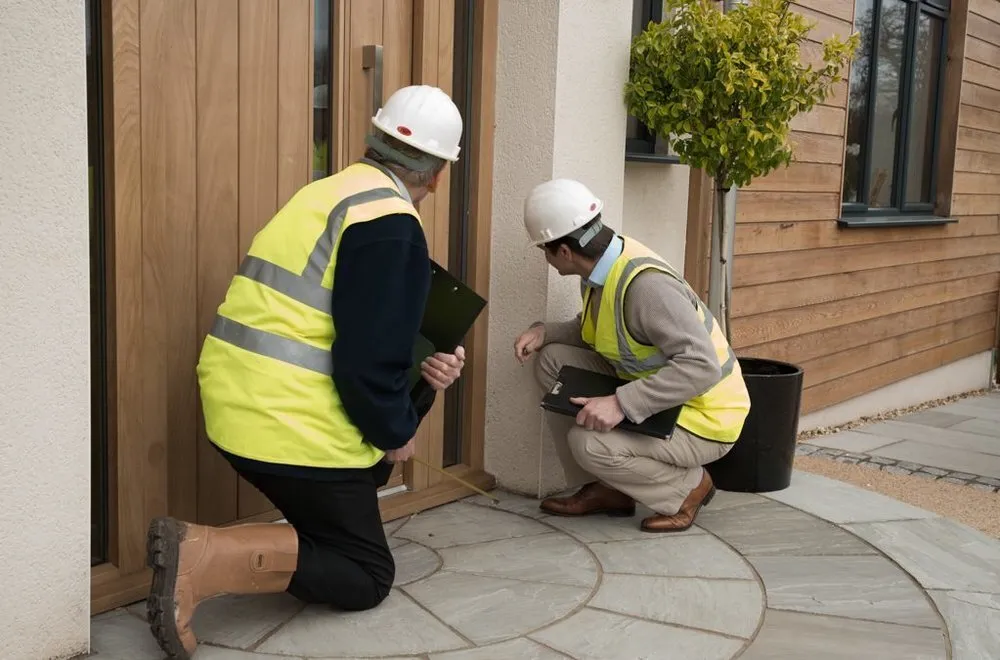
Buying a home is a major financial decision, and a home inspection can reveal problems you did not expect. Finding major home inspection problems can be stressful, especially when you are already emotionally invested in the property. However, an inspection report is not necessarily a reason to walk away. It gives you valuable information that can help you make a better decision before completing the purchase. The right response depends on the type of problem, the cost of repairs, the condition of the property, and the terms of your purchase agreement.
Review the Home Inspection Report Carefully
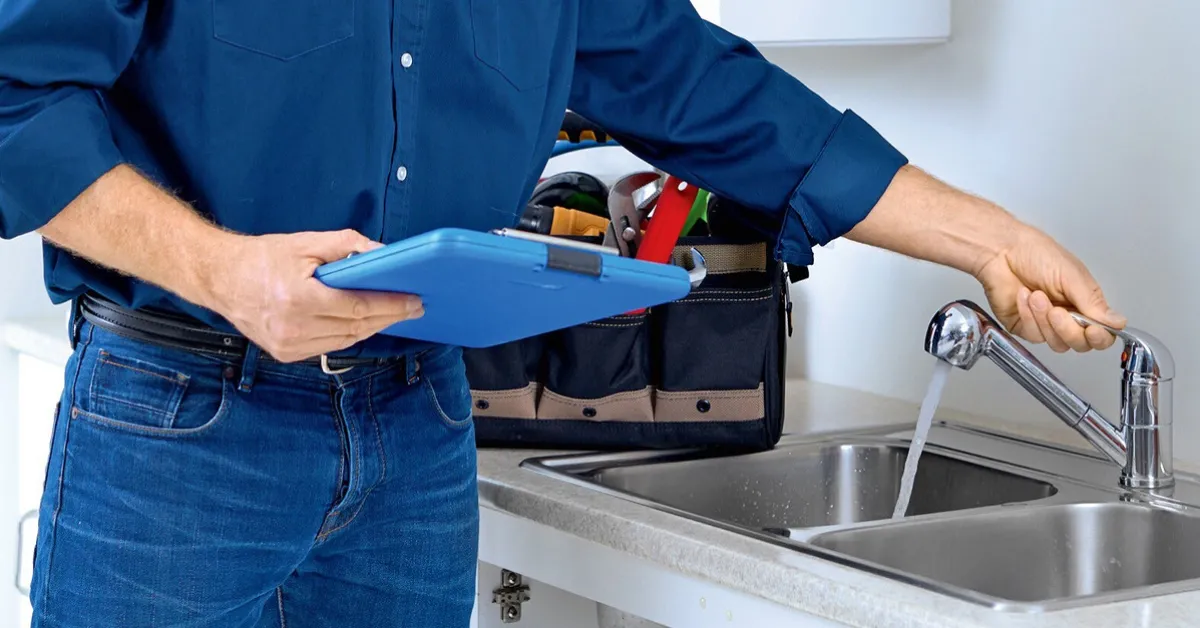
The first step is to read your home inspection report from beginning to end. Do not focus only on the longest list of defects or the most alarming photographs. A professional report typically includes observations about the home’s structure, roof, electrical system, plumbing, heating and cooling equipment, insulation, ventilation, windows, doors, and other accessible components.
Some home inspection issues are relatively minor and can be addressed through routine maintenance. Others may require immediate attention. Your goal is to understand which problems affect safety, structural integrity, water management, or the functionality of major systems.
If something in the report is unclear, ask the inspector to explain it. A professional inspector can help you understand what was observed, why it matters, and whether further evaluation by a qualified specialist may be appropriate.
Separate Minor Defects From Major Problems
Not every item listed in an inspection report deserves the same level of concern. Homes naturally develop wear and tear over time, so a long inspection report does not automatically mean the property is in poor condition. The problems found during home inspection can range from minor maintenance needs to serious defects that require immediate attention.
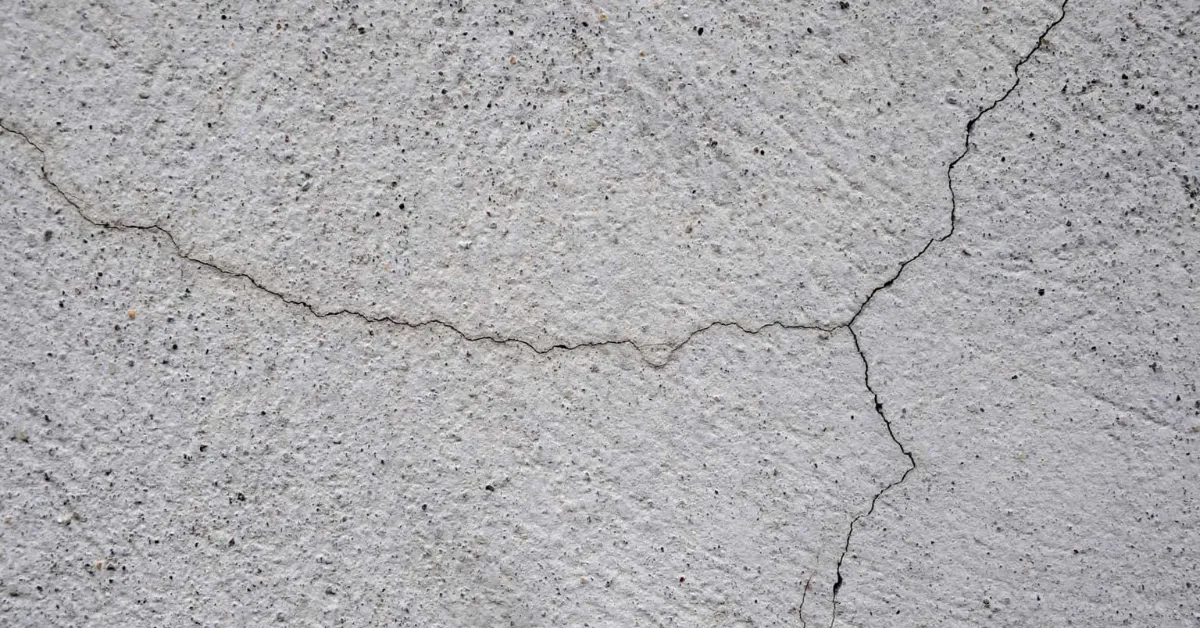
Major home inspection problems generally involve issues that could create significant safety risks, cause extensive property damage, reduce the home’s functionality, or result in substantial future expenses. Examples can include serious foundation movement, extensive roof deterioration, major electrical hazards, active water intrusion, severe plumbing problems, unsafe structural conditions, or significant heating and cooling system failures.
Home inspection red flags should receive more attention than cosmetic defects. A damaged wall, outdated fixture, or worn flooring may be inconvenient, but these issues are usually different from a structural or safety concern. Understanding this distinction prevents you from overreacting to minor defects while also ensuring serious home inspection issues are not ignored.
Get Specialist Evaluations When Necessary
A home inspector provides an important overall assessment, but an inspection is not always intended to diagnose every specialized problem. When significant defects are identified, additional evaluations may be necessary.
For example, if the inspection identifies possible foundation movement, you may need a structural engineer or foundation specialist. If there is evidence of a damaged electrical system, a licensed electrician can determine the extent of the problem. Roofing concerns may require an evaluation from a qualified roofing professional.
Specialist inspections can give you more precise information about the condition of the affected component and the likely repair requirements. They can also help you estimate home inspection repair costs before deciding how to proceed with the purchase.
Get Realistic Repair Estimates
One of the biggest mistakes buyers make after discovering home inspection problems is guessing how much repairs will cost. Online estimates can provide general information, but actual costs depend on the property’s condition, labor rates, materials, accessibility, local requirements, and the scope of the work.
Request written estimates from qualified contractors for significant repairs. If several problems are connected, ask the contractor to explain whether they should be addressed together or separately.
Understanding the potential cost of home inspection repairs allows you to evaluate the property more realistically. A home that appears affordable may become expensive if it requires a new roof, electrical upgrades, plumbing repairs, and structural work immediately after closing.
Talk to Your Real Estate Agent
Once you understand the problems and potential costs, discuss your options with your real estate agent. Your purchase agreement may provide specific rights related to inspection findings, but those rights vary depending on the contract and local laws.
You may be able to request repairs, negotiate a price reduction, request a credit toward closing costs, or ask the seller to address specific safety concerns before closing. In some situations, the best decision may be to continue with the purchase as planned. In others, the findings may justify reconsidering the transaction.
Do not assume the seller must fix every item in the home inspection report. Sellers are often more willing to address significant safety concerns or expensive defects than ordinary maintenance items. Your negotiation strategy should be based on the severity of the problems and the actual financial impact.
Consider the Age and Condition of the Home
The age of the property matters when evaluating problems found during home inspection. An older home may have components that are functional but outdated. An aging roof, older water heater, or aging air conditioning system does not necessarily mean immediate failure.
However, older components should be considered when calculating your future ownership costs. If several major systems are near the end of their expected service life, you should have a financial plan for eventual replacement.
A home inspection helps you understand current conditions, but it cannot predict exactly when every component will fail. Use the information in the report to plan for both immediate repairs and future maintenance.
Do Not Ignore Safety Issues
Some home inspection red flags require more attention than ordinary defects because they may create immediate risks. Examples can include exposed electrical wiring, unsafe electrical panels, missing safety components, significant gas concerns, structural instability, serious moisture intrusion, or conditions that could contribute to mold growth.
If an inspector identifies a potentially dangerous condition, take the recommendation seriously and seek appropriate professional evaluation. Do not attempt complicated electrical, structural, plumbing, or roofing work yourself simply to save money.
The purpose of identifying serious home inspection issues is to give you an opportunity to address them before they become more expensive or dangerous. Acting early can prevent a manageable problem from developing into a major repair.
Decide Whether to Negotiate or Walk Away
After reviewing the home inspection report, obtaining repair estimates, and discussing your options, you need to determine whether the property still makes financial sense.
Ask yourself several practical questions. Can you afford the recommended repairs? Are the problems isolated or spread throughout the property? Is the seller willing to negotiate? Are there unresolved safety or structural concerns? Does the purchase price still represent good value after considering the repairs?
There is no universal answer. Some major home inspection problems are expensive but manageable. Other properties may have enough serious defects that continuing with the purchase creates unnecessary financial risk.
Avoid making the decision based solely on the number of issues listed in the report. Instead, consider their severity, estimated cost, urgency, and potential impact on your long term ownership expenses.
Use the Inspection as a Decision Making Tool
A home inspection should give you information, not simply a list of things to worry about. The inspection process allows you to understand the home’s current condition before you become fully responsible for it.
Liberty Home Inspections can help buyers better understand the condition of accessible home components and identify areas that may need attention. The inspection findings can then help you determine which questions to ask, which repairs may require specialist evaluation, and what additional information you need before moving forward.
Remember that an inspection does not guarantee that a home is free from defects. Inspectors evaluate visible and accessible conditions within the scope of the inspection. Hidden or inaccessible problems may not be discovered during a standard inspection.
What to Do After Home Inspection Findings
Knowing what to do after home inspection results are available can make the process much easier. Start by reviewing the report, identifying the most significant issues, and asking questions about anything you do not understand. Next, obtain professional evaluations and repair estimates for major concerns.
After you have reliable information, discuss negotiation options with your real estate agent. Consider the purchase price, expected repairs, immediate safety concerns, and future maintenance requirements together rather than looking at each defect independently.
If the seller agrees to repairs, make sure the agreed work is clearly documented. Depending on the circumstances, a follow up inspection or verification may also be appropriate after repairs are completed.
Liberty Home Inspections believes that informed buyers are better prepared to make decisions about a property’s condition. A thorough inspection can provide useful information before you commit to one of the largest purchases you are likely to make.
Frequently Asked Questions
What are considered major home inspection problems?
Major problems can include structural concerns, significant roof damage, serious electrical hazards, active water intrusion, major plumbing failures, unsafe conditions, and other defects that may require substantial repairs or create safety risks. The severity depends on the property’s specific circumstances.
Should I buy a house with serious home inspection issues?
It depends on the type and cost of the problems. Some serious defects can be repaired and negotiated with the seller. Others may create financial or safety risks that make the purchase less practical. Obtain professional evaluations and repair estimates before making your decision.
Can I negotiate repairs after a home inspection?
Depending on your purchase agreement and local requirements, you may be able to negotiate repairs, a price adjustment, or another concession. Discuss your options with your real estate agent and focus negotiations on significant defects rather than ordinary maintenance items.
How accurate are home inspection repair costs?
An inspector can identify conditions that may require repair, but contractors are generally better positioned to provide detailed repair estimates. Costs vary based on the extent of damage, materials, labor, accessibility, and local market conditions.
What should I do after receiving a home inspection report?
Review the report carefully, identify the most important concerns, ask questions about unclear findings, and obtain specialist evaluations or repair estimates when necessary. Then discuss your options with your real estate agent before deciding whether to negotiate, proceed, or reconsider the purchase.
Schedule Your Home Inspection
A professional home inspection can help you identify potential problems before they become your responsibility. If you are preparing to purchase a property and want a clearer understanding of its condition, contact Liberty Home Inspections at (254) 624-3669 or book your home inspection to take the next step toward making an informed decision.