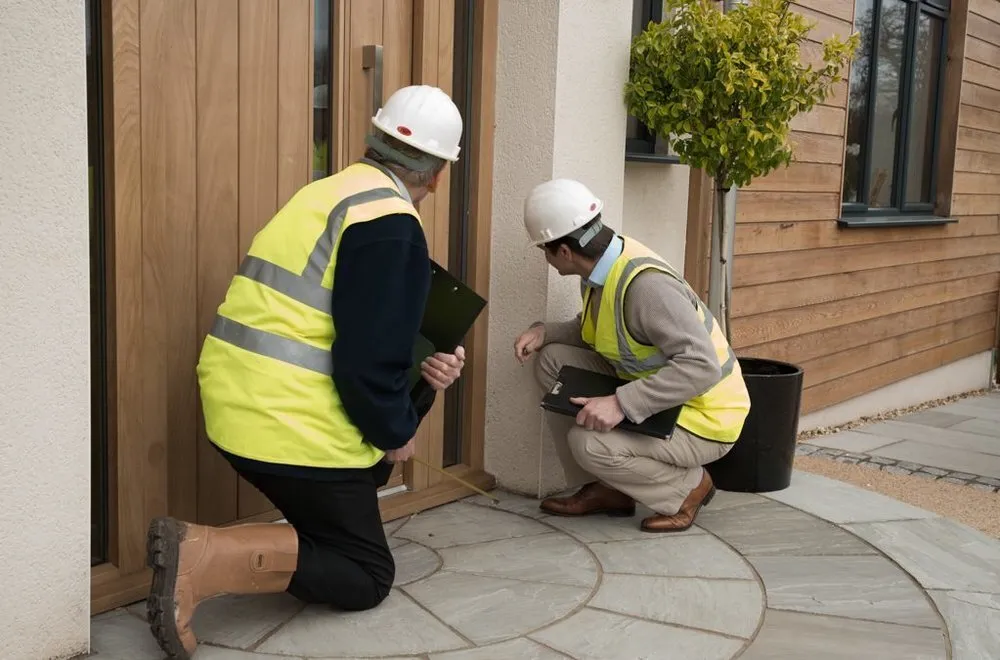
Buying a home is a major decision, and most buyers focus on the property’s location, layout, price, and overall appearance. However, some of the most expensive problems can be hidden underground. If the home uses a private septic system, understanding its condition before closing is extremely important. A Home septic inspection can help identify problems that may not be visible during a standard home inspection. Issues such as damaged tanks, blocked pipes, poor drainage, or failing drain fields can lead to costly repairs after you move in. A septic inspection gives buyers useful information about the system so they can make a more informed purchasing decision.
What Is a Septic Inspection?
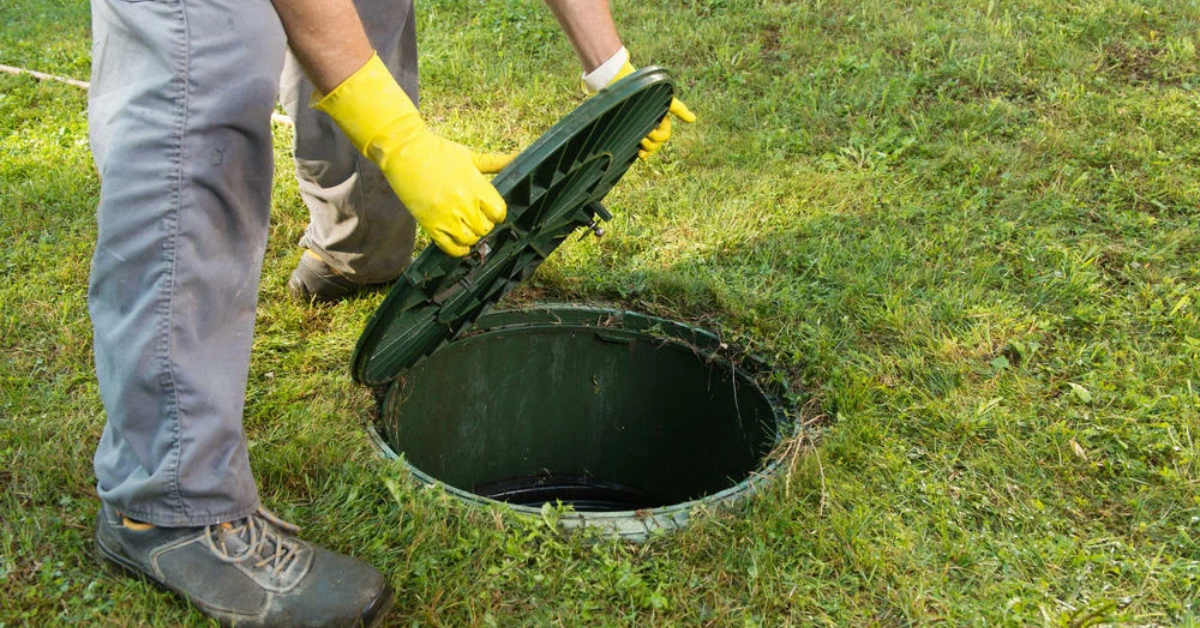
A septic inspection is an evaluation of a private wastewater system to determine its current condition and identify possible problems. A typical Septic system inspection may involve checking the septic tank, inlet and outlet pipes, distribution components, drain field, and other accessible parts of the system. The inspector may also look for signs of backups, standing water, unusual odors, sewage leakage, or drainage problems.
Unlike a system that connects to a municipal sewer, a private septic system is the homeowner’s responsibility. That means buyers should understand what they are purchasing before taking ownership. A proper inspection can reveal warning signs that could otherwise remain unnoticed until the system stops working.
Why Is a Septic Inspection Important Before Buying?
One of the biggest reasons to schedule a Septic inspection before buying a home is to avoid unexpected expenses. A septic system can function normally while still developing problems that may become serious later. Replacing or repairing certain components can cost thousands of dollars, depending on the type and severity of the issue.
A septic inspection gives buyers an opportunity to learn about the system before committing to the property. If a problem is discovered, the buyer may be able to discuss repairs, negotiate the purchase price, request appropriate action from the seller, or reconsider the purchase. Without an inspection, the buyer may inherit the problem immediately after closing.
What Problems Can a Septic Inspection Find?
A septic system can have several different problems, and some are difficult for an average homeowner to recognize. During an inspection, potential concerns may include a damaged septic tank, clogged pipes, excessive sludge, sewage backups, standing wastewater, broken components, or problems with the drain field.
Drain field issues deserve particular attention because they can affect how wastewater is absorbed into the soil. If the drain field is saturated or damaged, wastewater may begin appearing in areas where it should not. Slow drains, unpleasant odors, unusually wet ground, and sewage surfacing around the property can all be warning signs.
A Residential septic inspection can also help identify signs that the system has not been properly maintained. Poor maintenance does not always mean the system has already failed, but it can increase the likelihood of future problems.
Septic Problems Can Become Expensive
A septic system may look like a small part of a property, but repairing or replacing one can become a significant expense. The final cost depends on the problem, system design, soil conditions, property layout, and local requirements.
For example, a simple maintenance issue may be easier to address than a failed drain field. In more serious situations, the system may require extensive repair or replacement. Buyers who discover these problems after closing may have little choice but to pay for the work themselves.
This is why septic inspections for home buyers are an important part of the purchasing process. Spending money on an inspection before closing can help prevent a much larger financial surprise later.
When Should You Schedule a Septic Inspection?
Ideally, a septic inspection should be scheduled during the home buying process and before the purchase is finalized. Buyers should allow enough time for the inspection and any additional evaluation that may be needed.
The inspection is especially important when the property has an older septic system, a history of drainage problems, or visible signs of wastewater issues. If the seller has provided previous septic records, those documents can also give the inspector useful background information.
A Septic inspection when buying a house should not be treated as an unnecessary extra step. It provides information that can help buyers understand an important part of the property before they become responsible for it.
What Should Buyers Ask About the Septic System?
Before buying a home with a private septic system, buyers should ask questions about its history and maintenance. Find out when the tank was last pumped, whether previous repairs have been completed, and whether there have been backups or drainage concerns.
It is also useful to ask whether the property owner has records related to the septic system. Previous inspection reports, pumping records, repair receipts, and installation documents may provide valuable information.
However, paperwork alone should not replace an inspection. A system that worked properly several years ago may have different conditions today. A current inspection provides a more useful picture of the system at the time of purchase.
What Happens During a Septic Inspection?
The exact process can vary depending on the property and septic system. The inspector generally begins by gathering information about the system and identifying accessible components. The tank and related components may then be evaluated for visible signs of damage, leakage, buildup, or other concerns.
The inspector may also evaluate how wastewater moves through the system and look for signs that the drain field is not functioning correctly. Conditions around the property can provide important clues about potential septic problems.
After the evaluation, buyers should receive information about the findings. If concerns are identified, asking questions about their seriousness and possible next steps can help the buyer decide how to proceed.
How a Septic Inspection Helps With Negotiations
Discovering a septic problem before closing can give buyers valuable information during negotiations. For example, if an inspection identifies a significant repair need, the buyer may discuss whether the seller will address the issue or whether the purchase terms should be adjusted.
The inspection does not automatically mean the seller must make repairs. Instead, it gives both sides better information about the property. Buyers can then make decisions based on actual conditions instead of assumptions.
Liberty Home Inspections helps homeowners and buyers understand inspection findings so they can move forward with greater confidence. Getting the facts before closing is often much easier than discovering a major septic problem after moving into the home.
Can a Home Inspection Replace a Septic Inspection?
A standard home inspection and a septic inspection serve different purposes. A home inspection evaluates major visible components and systems throughout the property, while a septic inspection focuses specifically on the private wastewater system.
If a property depends on septic treatment, buyers should consider having the septic system evaluated separately. A dedicated inspection can provide more focused information about the tank, wastewater flow, and drain field.
Combining a general home inspection with a septic evaluation can give buyers a broader understanding of the property before completing the purchase.
What Should You Do If Problems Are Found?
Finding a septic problem does not always mean you should walk away from the property. The right response depends on the severity of the issue and the cost and feasibility of correcting it.
Start by asking the inspector to explain the findings clearly. Determine whether the issue requires immediate attention or routine maintenance. For significant concerns, additional evaluation or repair estimates may be appropriate.
Buyers should also review the purchase agreement and discuss their options with the appropriate professionals involved in the transaction. The key is to understand the problem before making a final decision.
Liberty Home Inspections can help buyers identify potential concerns through a careful septic evaluation. Knowing what is happening beneath the property can make the home buying process less stressful and help prevent unpleasant surprises.
Why Buyers Should Not Skip a Septic Inspection
A home can look perfect above ground while having serious wastewater problems below it. Because septic components are often hidden, buyers may not recognize an issue until the system begins backing up or failing.
A septic inspection provides an opportunity to identify warning signs before ownership changes hands. It can help buyers understand the condition of an important property system, plan for maintenance, and make better financial decisions.
For anyone purchasing a home with a private septic system, a Home septic inspection is a practical step that can provide valuable information before the closing paperwork is signed.
Frequently Asked Questions
Is a septic inspection necessary when buying a home?
A septic inspection is strongly recommended when purchasing a property with a private septic system. It can identify potential problems with the tank, pipes, drain field, and other components before the buyer takes responsibility.
What does a septic inspection check?
A septic inspection generally evaluates accessible parts of the wastewater system, including the septic tank, pipes, components, and drain field. The inspection also looks for signs of leaks, backups, drainage problems, and other concerns.
How often should a septic system be inspected?
The appropriate inspection schedule depends on the system, property use, maintenance history, and local requirements. Homeowners should follow recommended maintenance practices and consider an inspection when buying or selling a property.
Can a septic inspection find a failing drain field?
An inspection can identify signs that may indicate drain field problems, including standing wastewater, unusually wet areas, poor drainage, or other visible conditions. Additional evaluation may be recommended if significant concerns are found.
What should I do if a septic inspection finds a problem?
Ask the inspector to explain the issue and its potential severity. Depending on the findings, you may consider further evaluation, repair estimates, seller negotiations, or other options before completing the purchase.
Protect Your Home Purchase With a Septic Inspection
Buying a home with a private septic system means taking responsibility for an important part of the property. Do not wait until a backup, odor, or drainage problem appears to discover that the system needs attention. Liberty Home Inspections provides septic inspection services to help buyers understand the condition of the system before making a major investment. If you are preparing to purchase a home, book your septic inspection delivery with Liberty Home Inspections at (254) 624-3669 and take the next step toward a more informed home purchase.